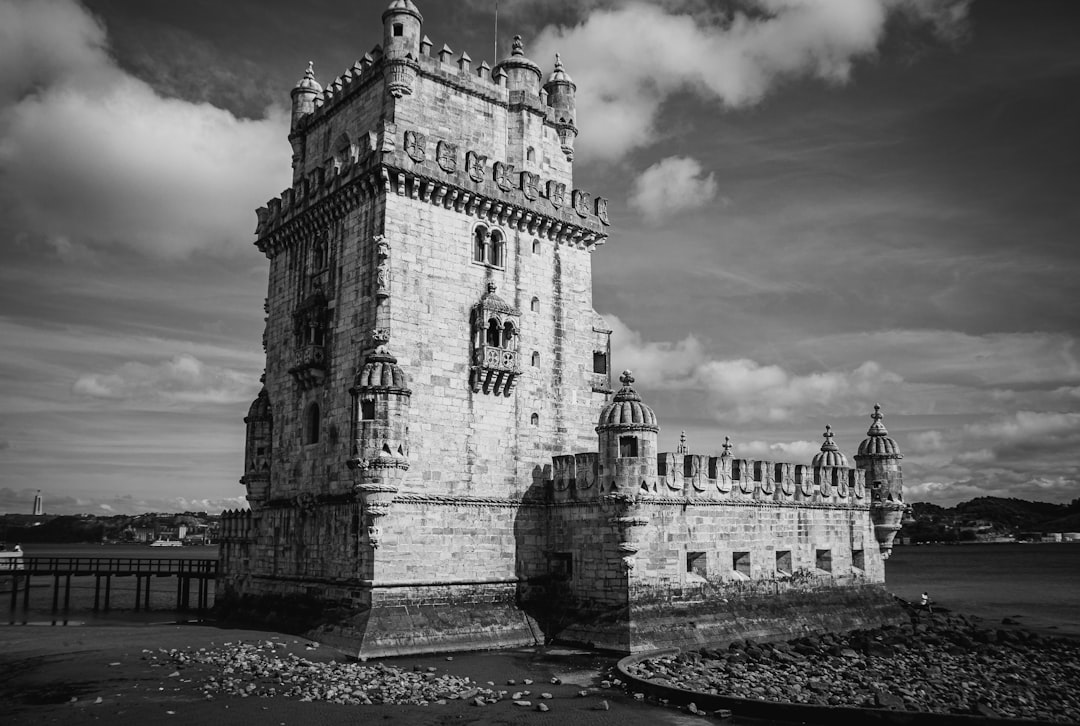

The Belém Tower, located along the banks of the Tagus River in Lisbon, is one of the most emblematic monuments of Portugal and represents an important symbol of the country's maritime and colonial power. Built in the 16th century, this fortification served not only as a departure point for Portuguese explorers but also as a ceremonial gateway to the city of Lisbon, welcoming visitors with its majestic presence. Today, the Belém Tower is recognized as a UNESCO World Heritage Site and continues to enchant tourists from around the world.

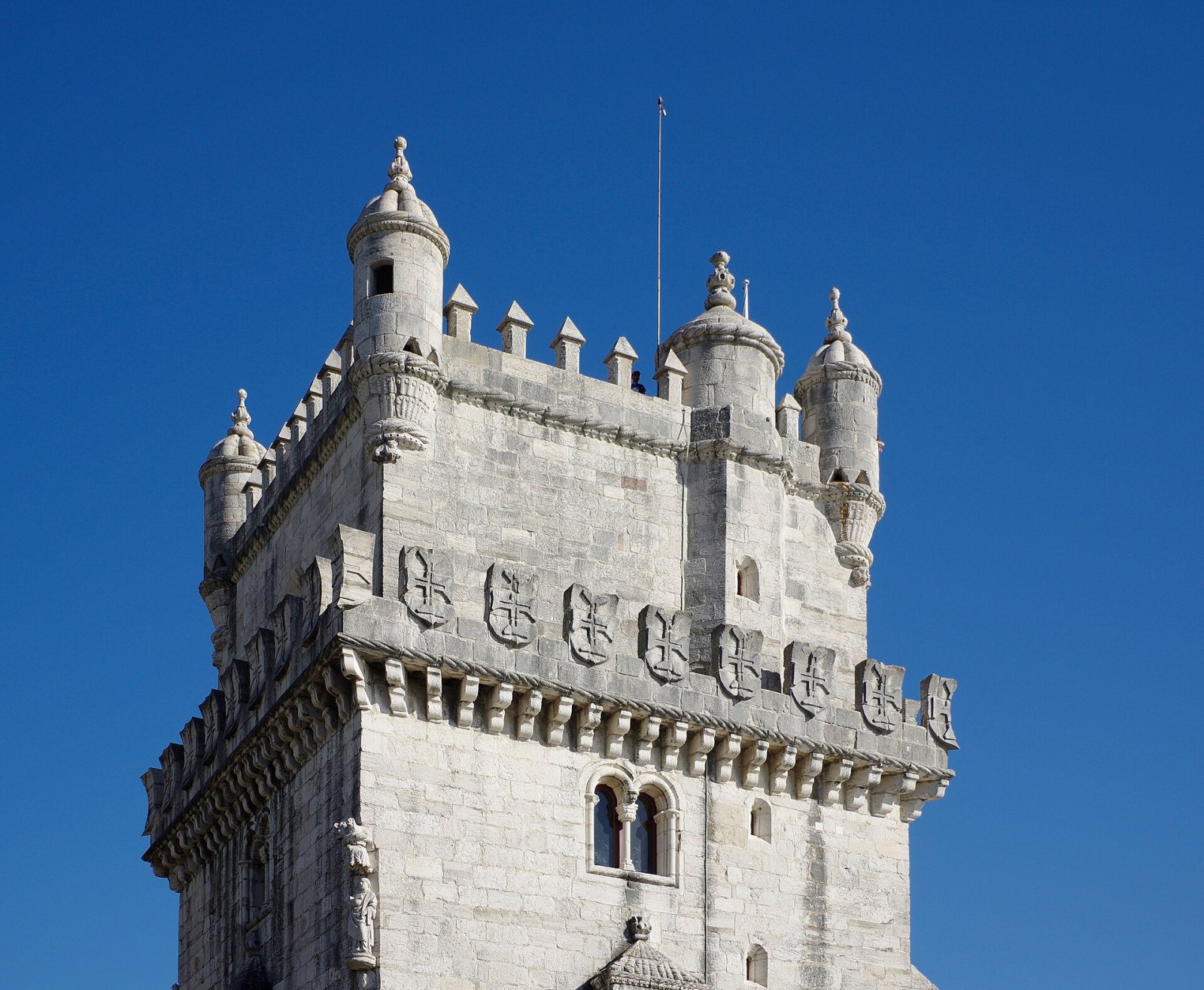
Its architecture, a perfect example of the Portuguese Manueline style, is enriched by elements inspired by Moorish architecture, creating a fascinating blend of cultures and styles. The tower, standing 30 meters tall and composed of a bastion and four floors, is built with the typical local Lioz limestone, giving it a unique and characteristic appearance.
History and Origins
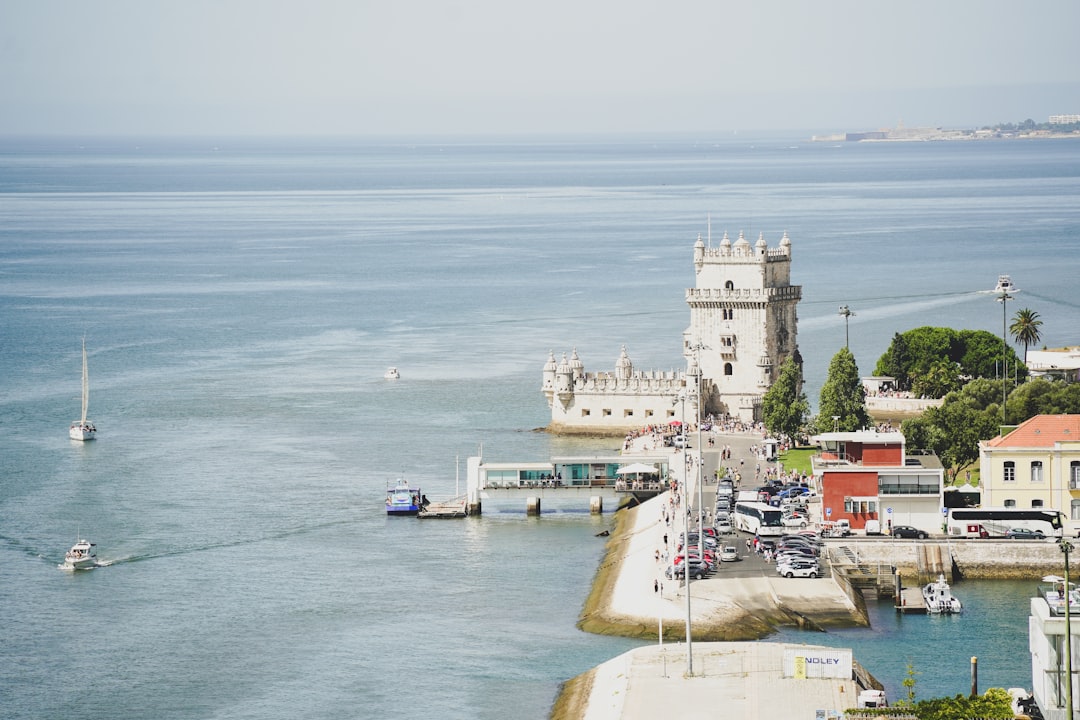
The Belém Tower, officially known as the Tower of Saint Vincent, was built during the peak of the Portuguese Renaissance. It symbolizes the era of great maritime discoveries when Portuguese navigators ventured into unknown lands, bringing with them the culture and wealth of their country. Its strategic position along the Tagus River made the tower a crucial point for the embarkation and disembarkation of ships, as well as a place of defense against potential enemy attacks.
Over the centuries, the tower has undergone various modifications and restorations, but its historical essence has remained intact. Since 1983, it has been included in the UNESCO World Heritage list, alongside the Jerónimos Monastery, highlighting the importance of its architecture and its role in Portuguese history.
Elements to Observe
When visiting the Belém Tower, tourists can admire a series of architectural details that tell the story of its construction. The Manueline-style decorations, such as intricate sculptures and plant motifs, are a nod to the wealth of the period and the craftsmanship of the artisans of the time. Additionally, the corner towers, reminiscent of minarets, add a touch of exoticism and reflect the Moorish influence in the design of the structure.
Another fascinating element is the panoramic view that can be enjoyed from the top of the tower. From here, visitors can observe the Tagus River winding towards the Atlantic Ocean, a landscape that represents a perfect blend of history and natural beauty. The tower's position, once in the middle of the river, now places it just a few steps from the shore, a change that tells the story of the city and its transformations over time.
Why It Is Interesting Today
Today, the Belém Tower is not only a historical monument but also represents a symbol of cultural identity for the Portuguese. It attracts visitors from all over the world, eager to explore its history and significance. The tower is often at the center of cultural events and celebrations, making it a lively and vibrant place that continues to tell the story of Portugal.
Moreover, its proximity to other tourist attractions, such as the Jerónimos Monastery and the famous Belém pastry shop, makes a visit to the Tower a complete experience for those wishing to immerse themselves in Portuguese culture and gastronomy. With a privileged location and a fascinating history, the Belém Tower is an unmissable stop for any traveler seeking authenticity.
Practical Information for Visitors
To visit the Belém Tower, it is advisable to plan your visit in advance, especially during the summer months when the flow of tourists is higher. The tower is easily accessible by public transport, thanks to a well-developed transport network that connects Lisbon to its surroundings. Additionally, tickets can be purchased online to avoid long queues at the entrance.
Finally, don't forget to bring a camera to capture the beauty of this historical monument. The Belém Tower, with its history and charm, is a place that leaves an indelible mark on the hearts of those who visit it. For more tips on what to see and do in Lisbon, you can explore the Secret World app.