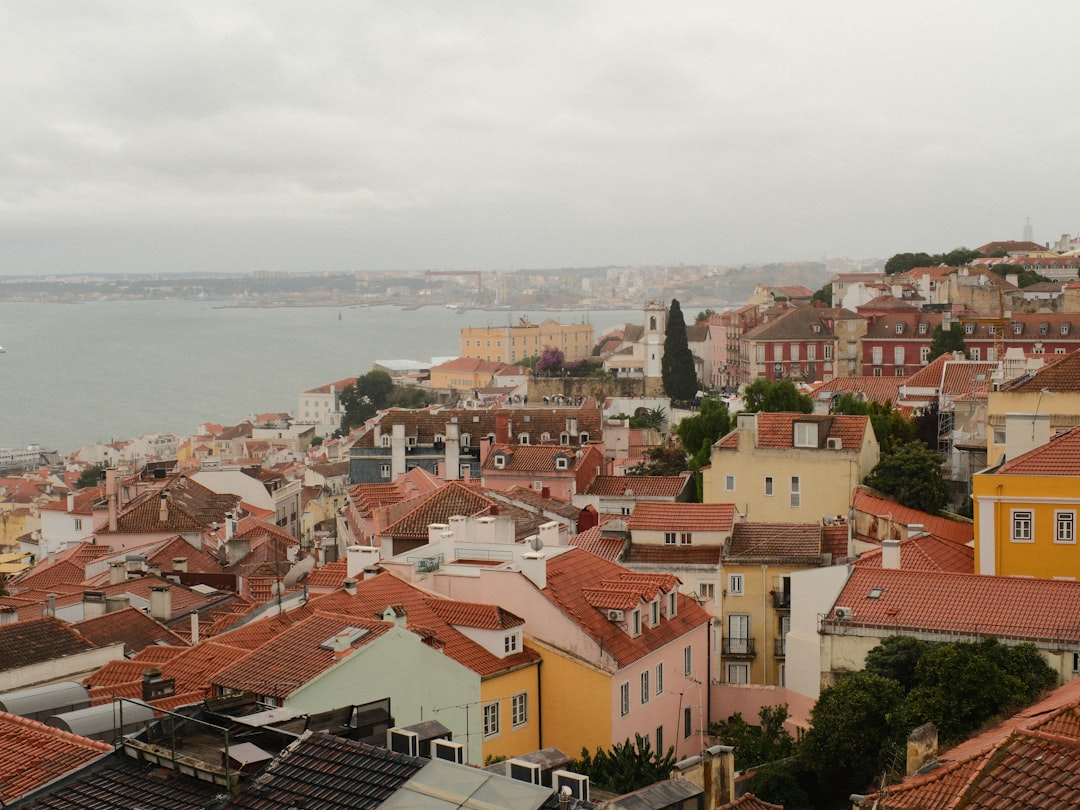

In the heart of Lisbon, the Alfama district represents a journey through time, a labyrinth of narrow, winding streets that tell centuries-old stories. Located between the majestic São Jorge Castle and the Tagus River, Alfama is the oldest district of the Portuguese capital, a place where history and culture intertwine in a fascinating embrace. With its colorful houses and characteristic Fado restaurants, Alfama is a must-visit for those wishing to immerse themselves in the authenticity of Lisbon.

The name "Alfama" derives from the Arabic "al-ḥamma", meaning "hot waters", a reference to the thermal springs that once characterized the area. Today, this neighborhood is known not only for its history but also for the vibrant atmosphere that pervades it, attracting visitors from all over the world.
History and Origins
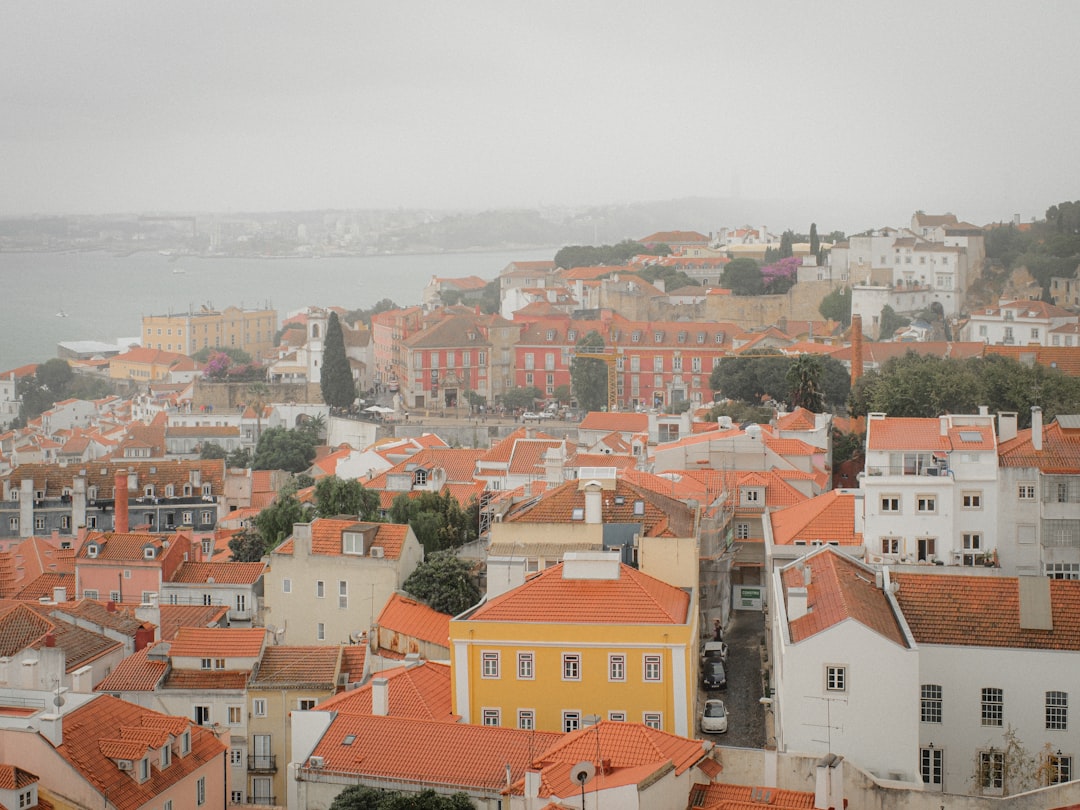
Alfama has a rich and complex history that dates back to the Moorish era when it constituted the original nucleus of the city. The streets of Alfama are witnesses to a distant past, when the Moors ruled Lisbon and the district was a nerve center of urban life. With the advent of the Reconquista, Alfama saw an evolution of its social and cultural fabric, yet it has maintained its charm and authenticity.
Rua do Barão is one of the most significant streets in Alfama, connecting the historic Alfama Gate to the Lisbon Cathedral. Here lived João Fernandes da Silveira, the first Baron of Alvito, a prominent figure during the reigns of Dom Afonso V and Dom João II. This street, like many others in Alfama, is an example of how history intertwines with the daily lives of its inhabitants.
Elements to Observe
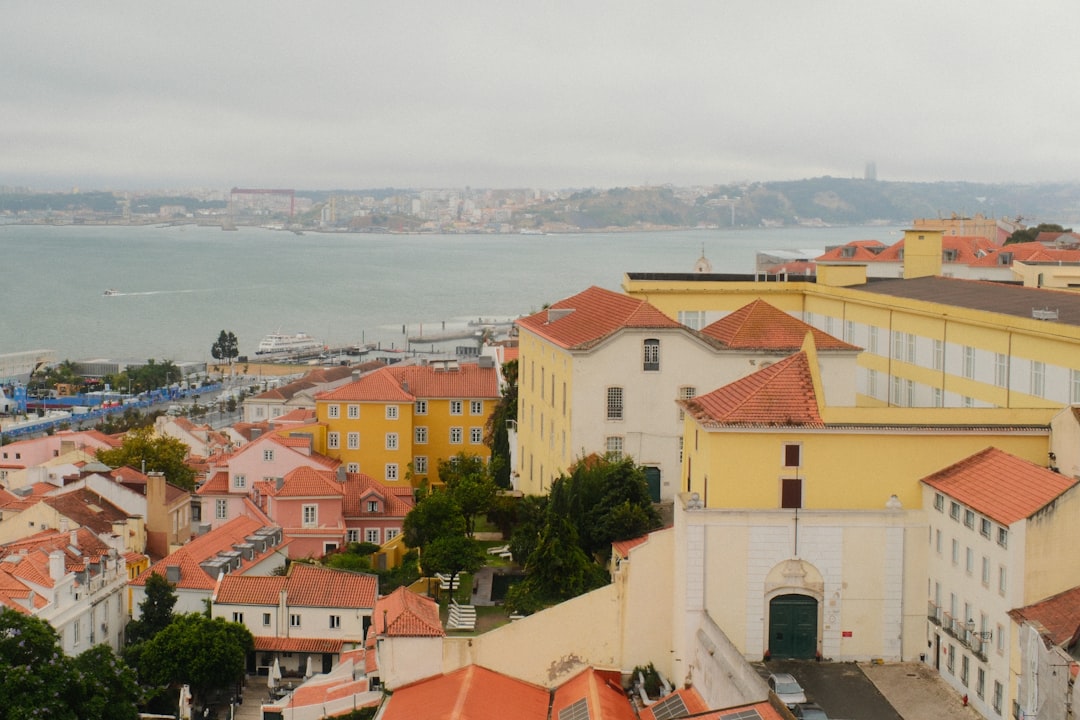
Walking through Alfama, visitors can admire a series of historical attractions, including the Lisbon Cathedral, known as Sé de Lisboa, and the São Jorge Castle, which offers spectacular views of the city. The small squares and viewpoints, such as the Miradouro de Santa Luzia, are ideal places to stop and enjoy the view of the Tagus River and the sunset that paints the Lisbon sky red.
One cannot speak of Alfama without mentioning Fado, the traditional Portuguese music that expresses feelings of nostalgia and melancholy. The numerous bars and restaurants in the neighborhood offer the opportunity to listen to this authentic art form while enjoying a typical dish of Portuguese cuisine, making the experience even more unforgettable.
Why It Is Interesting Today
Today, Alfama is a neighborhood that embodies the soul of Lisbon, a place where tradition blends with modernity. Its popularity has grown over the years, becoming a landmark for tourists and locals seeking authenticity. The presence of artists, craftsmen, and musicians has transformed Alfama into a creative hub, keeping Portuguese culture alive.
Moreover, the neighborhood is well connected to the rest of the city, thanks to an efficient public transport system. This makes Alfama easily accessible for anyone wishing to discover the wonders of Lisbon, without giving up the intimate and welcoming atmosphere that characterizes it. To best plan your visit, don't forget to consult the Secret World app, a useful resource for exploring every corner of this fascinating city.