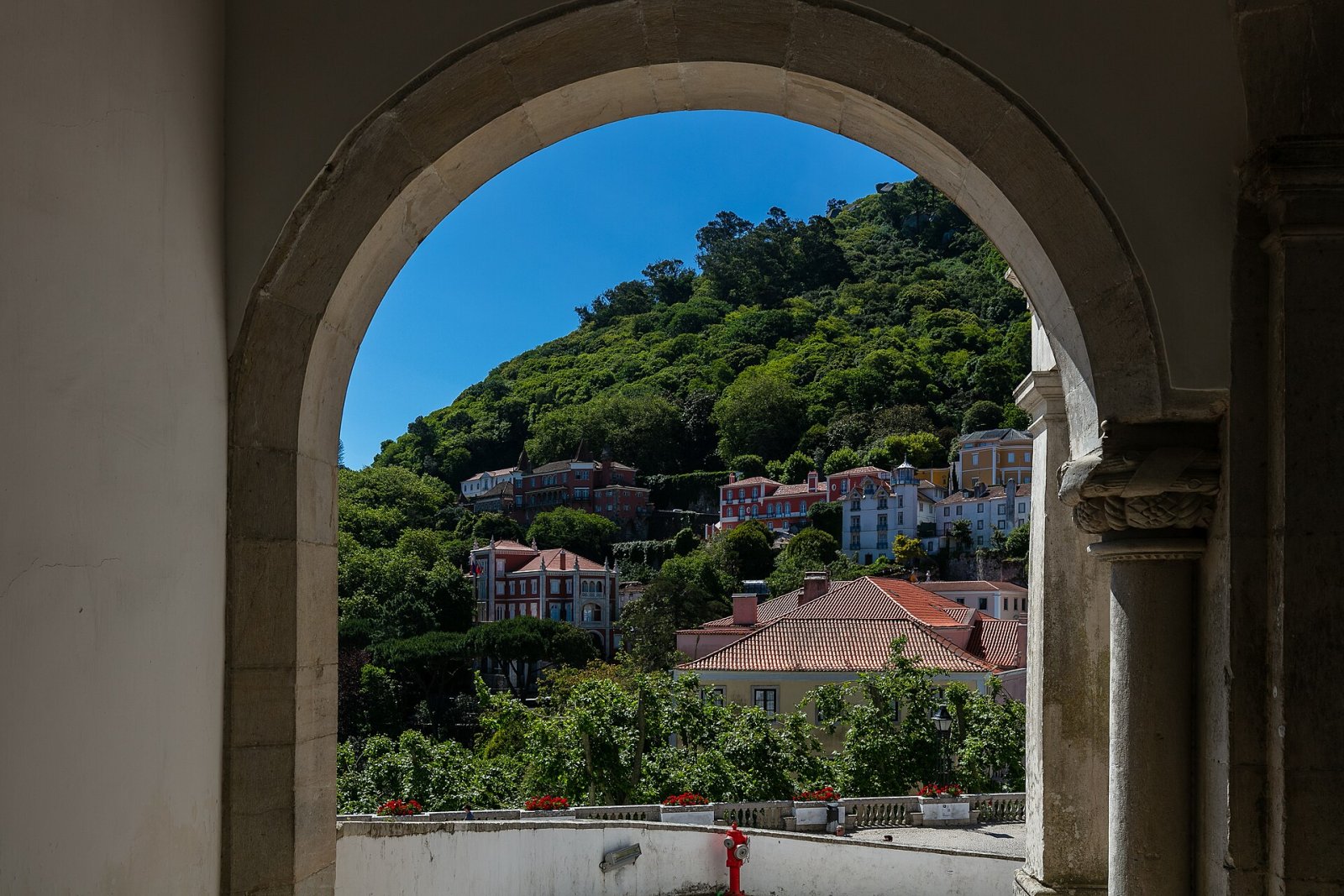

Sintra, an enchanting municipality just 28 km from Lisbon, is a place where history and nature merge into a breathtaking landscape. Its palaces, including the famous National Palace and the romantic Pena Palace, are witnesses to a rich past of culture and tradition. This location, nestled among hills and surrounded by lush vegetation, has been declared a UNESCO World Heritage Site due to its extraordinary beauty and cultural significance.
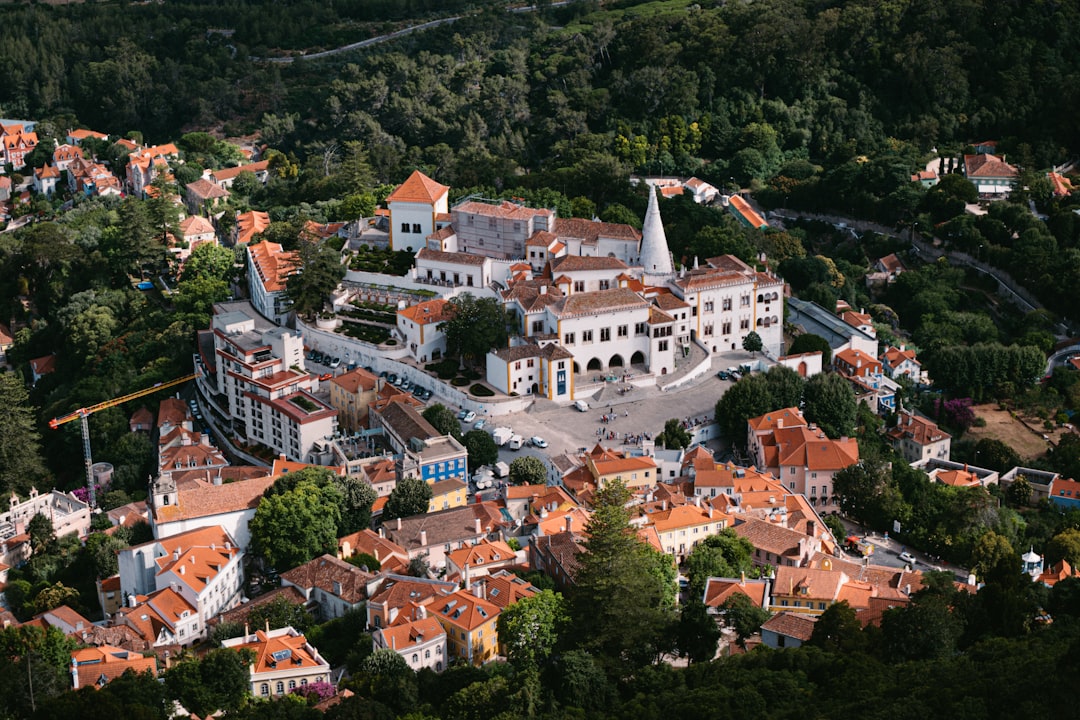
Sintra is not just a tourist destination, but a true journey through time. The palaces that adorn its territory tell stories of monarchs, nobles, and artists who have left an indelible mark on the fabric of this fascinating locality. Visitors can immerse themselves in a magical atmosphere while exploring the architectural wonders and gardens that characterize the area.
History and Origins

The history of Sintra is deeply linked to the Portuguese monarchy, with the National Palace serving as a summer residence for the kings. Built in different eras, the palace showcases a fusion of architectural styles that reflect the various cultural influences that have crossed Portugal. The presence of Moorish elements is evident, mirroring the period when the region was under Arab domination.
The Pena Palace, built in the 19th century, is an extraordinary example of romantic architecture, combining different styles from neo-Gothic to Manueline. Its privileged location atop a hill offers a spectacular view of the surrounding region, making it an ideal place for visitors seeking a unique historical experience.
Elements to Observe
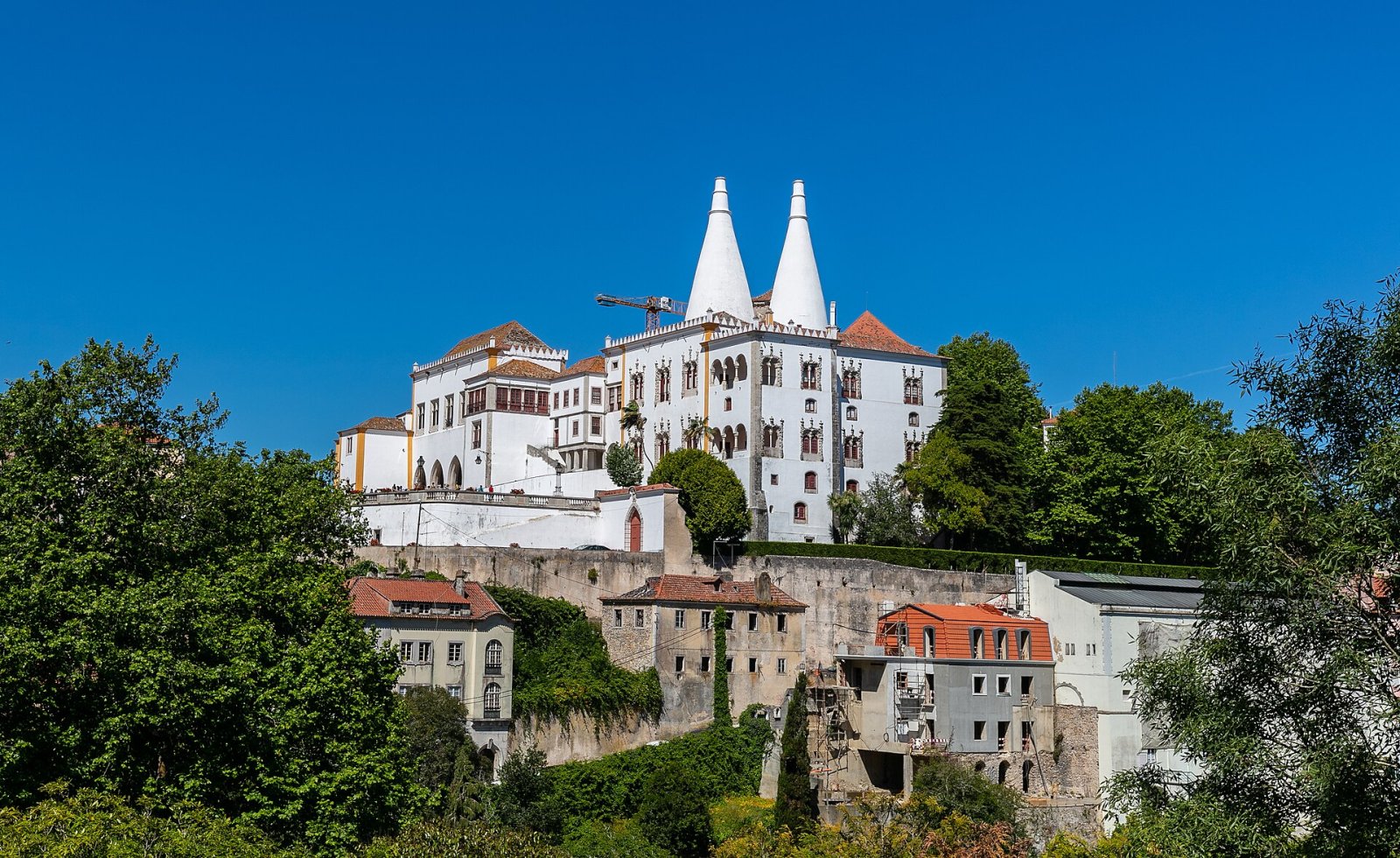
Among the most fascinating elements to observe in Sintra are the architectural details of the palaces. The National Palace, with its two conical towers, is easily recognizable and features frescoes and ceramics that tell stories of past eras. Each room is a journey through history, with furnishings dating back centuries.
The Pena Palace is a riot of colors and shapes, with its towers and well-kept gardens. The intricate details of the facades and the interior decorations offer visitors a unique opportunity to appreciate the creativity and art of the romantic period. Don't forget to stroll through the surrounding gardens, where nature intertwines with architecture in a harmonious way.
Why It Is Interesting Today
Today, Sintra continues to attract visitors from around the world, not only for its architectural beauty but also for its enchanted atmosphere. The combination of history, culture, and nature makes this place an ideal refuge for those seeking an escape from the hustle and bustle of modern life. The palaces of Sintra are not just historical monuments, but true open-air museums that tell the story of an entire nation.
Moreover, Sintra offers a variety of cultural events and festivals throughout the year, allowing visitors to immerse themselves in Portuguese tradition. Exploring Sintra also means discovering local gastronomy and artisanal traditions, making each visit a complete and unforgettable experience.
Practical Information for Visitors
To visit the palaces of Sintra, it is advisable to plan ahead, as attractions can be crowded during the high season. Public transport connects Sintra to Lisbon, making it easy to access the city. Once you arrive, you can explore the palaces on foot or use local transport to reach points of interest.
Remember to wear comfortable shoes, as the cobblestone streets and inclines can be challenging. Don't forget to bring a camera to capture the breathtaking beauty of the palaces and the surrounding landscapes. For more information and tips on Sintra, you can consult the Secret World app, which offers a comprehensive guide to discovering this enchanting corner of Portugal.