





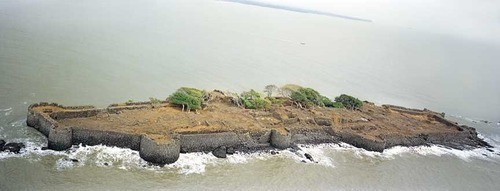
Nestled in the serene waters of the Arabian Sea, the Underi Fort and its formidable counterpart, Khanderi Fort, stand as stoic remnants of India's rich maritime history. Located approximately 4.9 miles from Alibaug near Thal, these forts were vital strongholds during the Maratha Empire, designed to protect the coastal territories from invaders such as the Siddi and the British during the 17th century. The history of these forts is intertwined with tales of valor and strategic warfare, making them a treasure trove for history enthusiasts and adventure seekers alike.

History and Origins The construction of Underi Fort dates back to the late 17th century, commissioned by the Maratha king, Shivaji Maharaj, to bolster defenses against foreign invasions. Alongside its sister fort, Khanderi, the two formed a crucial line of defense along the Konkan coast. The forts were strategically positioned to control maritime traffic in and out of Mumbai's harbor, playing pivotal roles during several naval skirmishes.
One of the notable events in the fort's history occurred in the year 1660, when the Siddi forces attempted to capture the forts. However, the Marathas, with their tactical brilliance, successfully repelled these invasions, cementing the forts' reputations as strongholds of resilience and courage. The forts witnessed numerous battles, and their walls echo the tales of bravery and strategic prowess that characterized the Maratha rule.
Art and Architecture Architecturally, both Underi and Khanderi Forts exhibit traditional Indian military architecture with influences from European styles. The forts are constructed from locally sourced black basalt rock, which blends with the rugged coastal landscape, creating a formidable fortress against the sea.
Visitors can marvel at the remains of the fortification walls, which are over 400 years old, and explore the impressive stone gateways, bastions, and watchtowers that once served as sentinels of the sea. The intricate carvings and remnants of old cannons tell stories of the artistry that went into their construction, while the panoramic views of the Arabian Sea provide a breathtaking backdrop to the fort's historical significance.
Local Culture and Traditions The cultural fabric of Thal is rich and vibrant, with local customs that reflect the region's maritime heritage. The village celebrates various festivals, with the most significant being Ganesh Chaturthi, where the community comes together to honor the elephant-headed god, Ganesh, with music, dance, and traditional feasts. The rhythmic beats of local folk music resonate through the air, creating an atmosphere of joy and celebration.
Fishing is a way of life for many locals, and the community maintains traditional fishing methods passed down through generations. The Koli community, known for their fishing prowess, often showcases their skills in colorful fishing boats that dot the coastline.
Gastronomy No visit to Thal would be complete without indulging in its culinary delights. The region is famous for its seafood, particularly dishes like Bombil fry (Bombay duck), prawns curry, and fish thali, which feature a variety of flavors and spices unique to the Konkan region. Sol Kadhi, a refreshing drink made from coconut milk and kokum, is a must-try to complement the rich flavors of the local cuisine.
As you savor the local delicacies, don’t miss out on the village’s street food, which includes vada pav and pani puri, offering a delightful burst of flavors that reflect the culinary diversity of Maharashtra.
Lesser-known Curiosities While many tourists flock to the well-known attractions, Underi Fort holds some hidden gems. One fascinating fact is the presence of ancient cannons that still lie on the fort's premises, remnants of the fierce battles fought centuries ago. Moreover, the fort is home to a variety of flora and fauna, making it a serene spot for nature lovers and bird watchers.
Many visitors are unaware that the fort can only be accessed during low tide, which adds a layer of adventure to the journey, as small boats ferry travelers from Thal beach. This unique access point ensures that the fort remains relatively untouched by mass tourism, offering a more authentic experience.
Practical Visitor Information The best time to visit Underi Fort and Khanderi Fort is during the cooler months from November to February, when the weather is pleasant for exploration. It’s advisable to plan your visit around low tide to access Underi Fort. Bring along a camera to capture the stunning coastal views, and be sure to wear comfortable shoes for exploring the rocky terrain.
In conclusion, Underi Fort and Khanderi Fort are not just historical sites; they are gateways to understanding the maritime legacy of India. The intertwining of history, culture, and gastronomy creates a unique experience for every visitor. To make the most of your trip to Thal, consider using the Secret World app to craft a personalized AI itinerary tailored to your interests.