





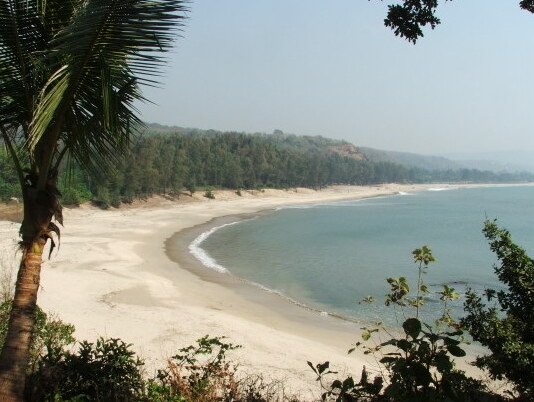
Nestled along the Arabian Sea, Alibaug is a charming coastal town that has long served as a preferred retreat from the bustling life of Mumbai. Known for its sun-kissed beaches and majestic forts, Alibaug is a tapestry of history, culture, and natural beauty that beckons travelers seeking a blend of relaxation and exploration.
Alibaug's origins trace back to the late 17th century when it was founded by Sarkhel Kanhoji Angre, a notable admiral of the Maratha navy under Chhatrapati Shivaji Maharaj. The town's name derives from the term "Ali's Garden," referencing Ali, a wealthy Muslim trader who cultivated numerous coconut plantations in the area. This rich historical backdrop is punctuated by the Kolaba Fort, an island fortification constructed by Shivaji in 1680. The fort, reachable by a short boat ride during high tide or a walk during low tide, stands as a testament to the Maratha Empire's maritime prowess, offering a glimpse into the strategic military architecture of the era.
The architectural landscape in Alibaug is a blend of colonial and indigenous influences. The Kolaba Fort itself is a striking example of Maratha military architecture with its massive walls, bastions, and intricate carvings of tigers and elephants. Another architectural gem is the Karmarkar Sculpture Museum in nearby Sasawane, showcasing the works of renowned sculptor Nanasaheb Karmarkar. His realistic sculptures capture the essence of rural Maharashtra, making it a must-visit for art enthusiasts.
Culturally, Alibaug is steeped in Konkan traditions, with festivals like Ganesh Chaturthi celebrated with fervor. The region's cultural identity is also reflected in its folk dances and music, such as the 'Koli' dance, performed by the local fishing community. Visitors might catch a glimpse of these vibrant performances, especially during local festivals and celebrations, offering a window into the heart of Maharashtra's coastal culture.
A trip to Alibaug would be incomplete without indulging in its local gastronomy. The cuisine here is a delightful mix of Konkani flavors, heavily influenced by the sea. Seafood lovers can relish freshly caught fish, prawns, and crabs, often spiced with tamarind and coconut. Don't miss out on the local specialty, Kombdi Rassa, a spicy chicken curry that pairs perfectly with Bhakri, a traditional flatbread. To quench your thirst, try the refreshing Sol Kadhi, a pink-hued drink made from coconut milk and kokum.
Beyond the well-trodden paths lies a treasure trove of lesser-known attractions. The Vrindavan Farm, a sprawling 28-acre estate, offers a serene escape with its orchards and gardens. Visitors can tour the farm to learn about organic farming practices and sample fresh produce. Another hidden gem is the Rewas Jetty, a tranquil spot that provides panoramic views of the Mumbai skyline, especially enchanting at sunset.
For those planning a visit, the best time to explore Alibaug is between November and February when the weather is pleasantly cool, making it ideal for beach activities and sightseeing. To avoid the weekend rush, consider visiting during the weekdays. With ferry services connecting Mumbai's Gateway of India to Alibaug, the journey itself is a scenic prelude to the coastal charm that awaits. When packing, don't forget sunscreen and a camera to capture the stunning landscapes.
In essence, Alibaug offers more than just a respite from city life; it’s a journey through history, culture, and the natural splendor of the Konkan coast. Whether you're exploring ancient forts, savoring local delicacies, or simply soaking up the sun on a quiet beach, Alibaug promises an enriching experience that lingers long after you've left its shores.