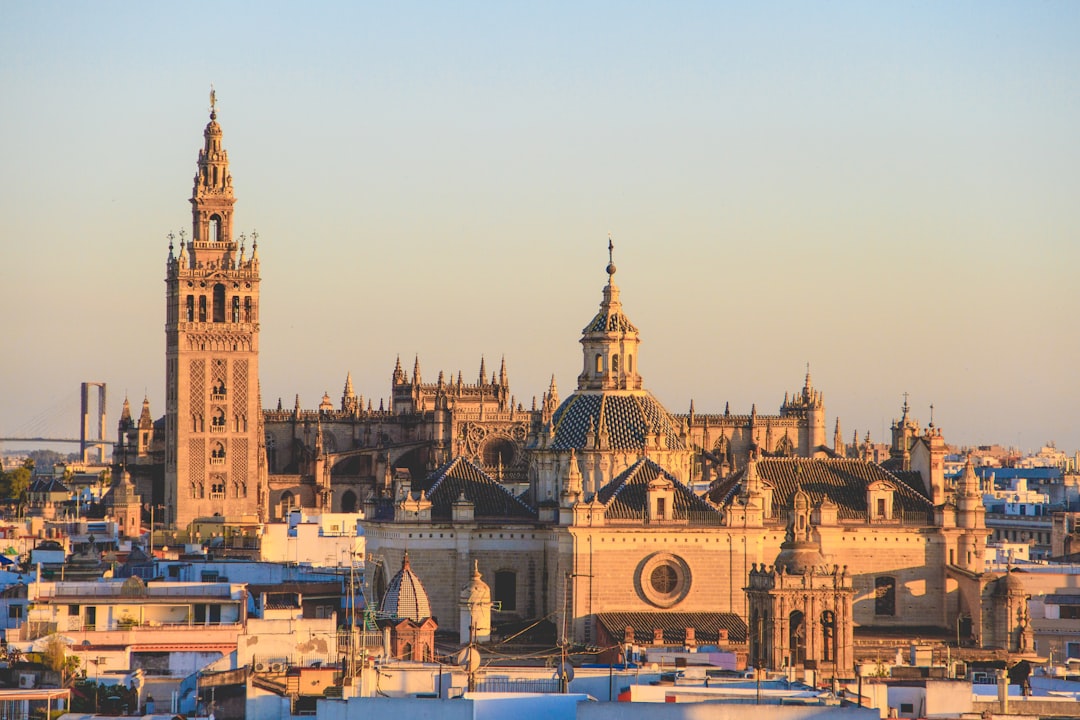

The Giralda, the majestic bell tower of the Cathedral of Seville, represents one of the most emblematic monuments of the Andalusian capital. Originally built as a minaret for the Great Mosque of Seville during the reign of the Almohad dynasty, the Giralda is a perfect example of Moorish architecture that blends with Renaissance elements added by the Catholics after the reconquest. This extraordinary building, a witness to centuries of history, was recognized in 1987 as a UNESCO World Heritage Site, along with the Alcázar and the General Archive of the Indies.
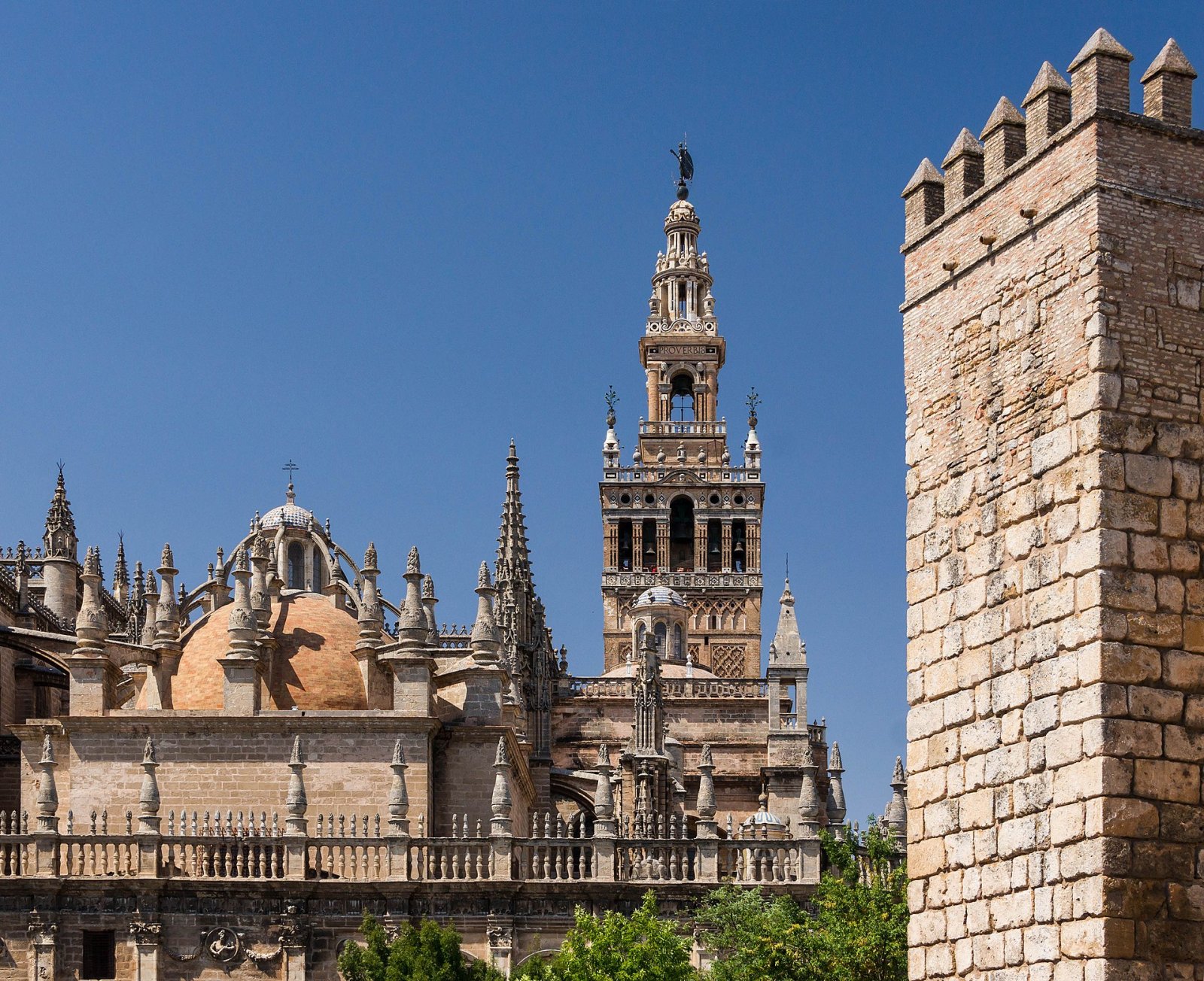
Its height of about 97 meters offers a panoramic view of the city, while its elegant and harmonious structure continues to enchant visitors from all over the world. The Giralda is not just an architectural symbol, but a true emblem of Andalusian culture, reflecting the historical influence of the Arabs in Spain and the rich artistic heritage of the region.
Historical and Cultural Context
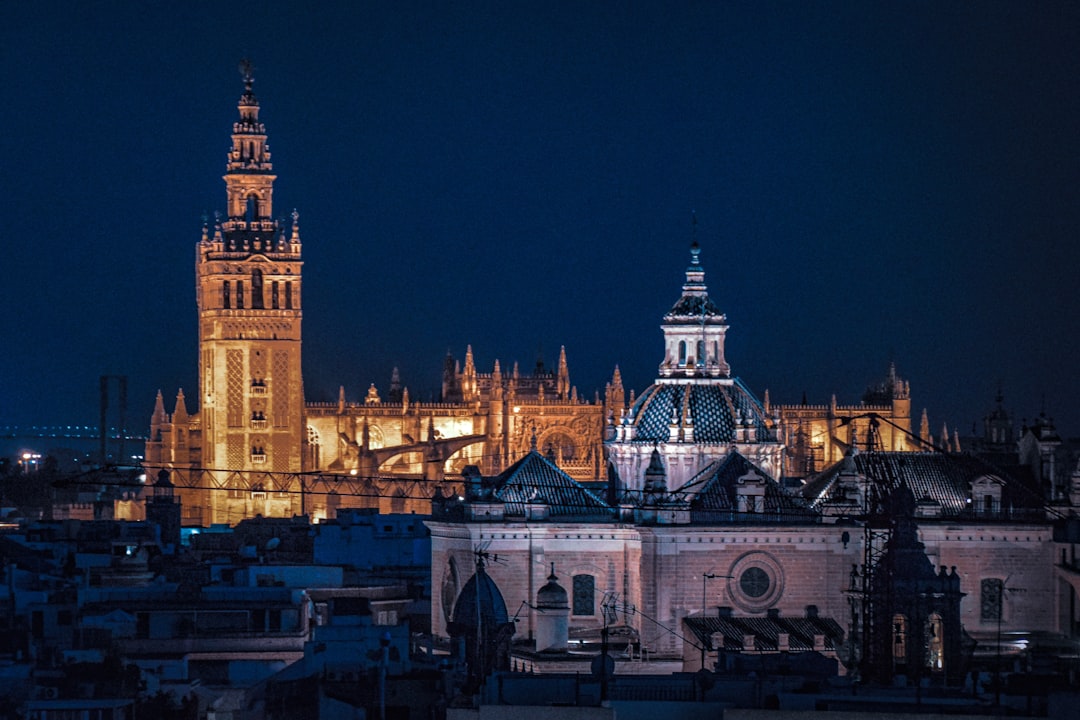
The construction of the Giralda began in 1171, commissioned by the caliph Abu Ya'qub Yusuf, to replace a previous mosque that could no longer accommodate the growing congregation. The Sevillian architect Ahmad Ibn Baso, known for other projects under the caliph, was responsible for the design. The mosque, and thus the Giralda, represented not only a place of worship but also a symbol of power and prestige for the Muslim community of the time.
After the Christian reconquest, the Giralda was transformed into a bell tower for the cathedral, maintaining its original structure. This process of architectural adaptation gave rise to a monument that tells the story of an encounter between different cultures, making the Giralda a place of great historical and cultural importance for the city of Seville.
What Stands Out About the Place
What immediately strikes about the monument is its slender silhouette towering above the urban landscape of Seville. The Giralda is decorated with beautiful geometric patterns and arabesques, typical of Moorish art, making it a refined example of Almohad architecture. Its Renaissance belfry, added later, completes the structure with a note of elegance and majesty.
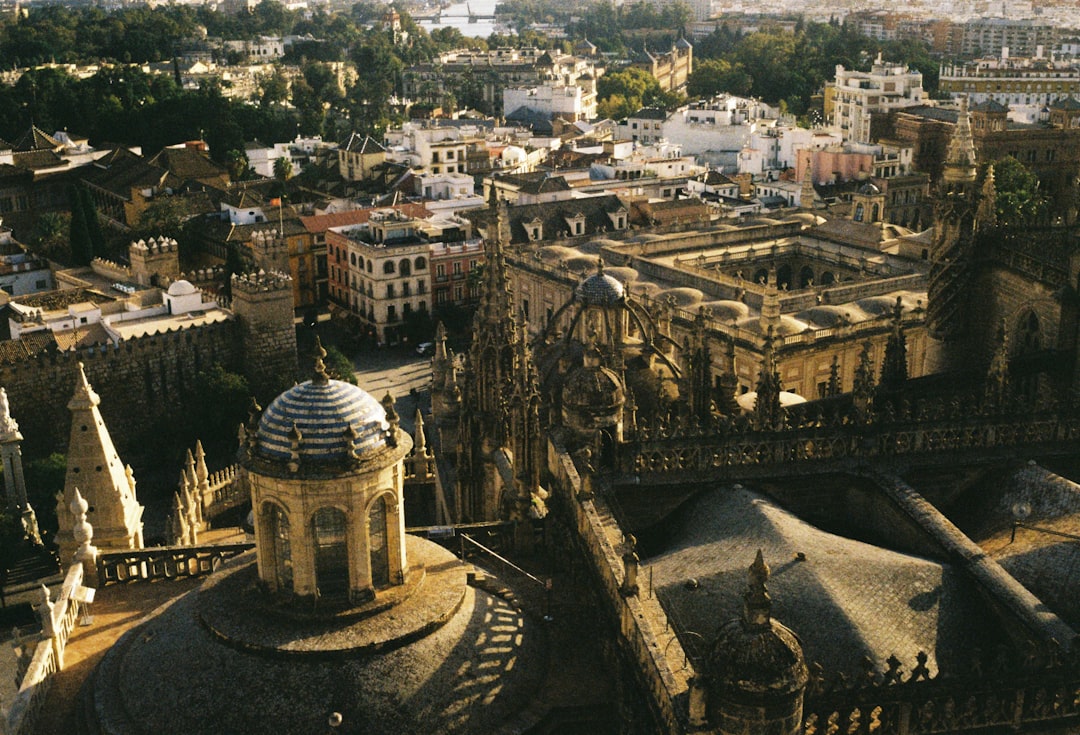
The view from the top of the Giralda is breathtaking: one can admire the entire city of Seville, with its red roofs, winding streets, and the calm Guadalquivir River flowing by. This unique perspective offers visitors the opportunity to better understand the layout of the city and its rich history, making the climb to the tower an unforgettable experience.
Visiting Experience
Visiting the Giralda is an experience that engages all the senses. The entrance to the cathedral is a must-pass, where art and spirituality merge in an environment of great suggestion. Once inside, one can admire the extraordinary altars, paintings, and architectural details that tell centuries of history.
The ascent to the Giralda takes place via a ramp, making the climb easy even for those not used to climbing steep stairs. Reaching the top is a true celebration of history and beauty, a moment when the visitor can reflect on the fusion of cultures that has characterized Seville over the centuries.
Practical Information for Visitors
The Giralda is open to the public year-round, with hours varying by season. It is advisable to purchase tickets in advance, especially during the peak tourist season, to avoid long waits. The visit is accessible to everyone, thanks to the ramp that allows easy access to the top.
Additionally, the surrounding area offers numerous restaurants and cafes where one can enjoy delicious Andalusian cuisine, making the visit to the Giralda an opportunity to fully immerse oneself in the local culture. Don't forget to download the Secret World app to discover more hidden treasures of Seville.