
← Back

Discover the Alcázar of Seville: a Gem of Andalusian History

8F979XMV+8C ★★★★☆ 0 views
Rania Nadal
🏆 AI Trip Planner 2026

Get the free app

Discover the best of {city} with Secret World — the AI trip planner with 1M+ destinations. Get personalized itineraries, hidden gems and local tips. Free on iOS & Android.

🧠 AI Itineraries 🎒 Trip Toolkit 🎮 KnowWhere Game 🎧 Audio Guides 📹 Videos
Scan to download iOS / Android
Scan for AppGallery Huawei users

About Discover the Alcázar of Seville: a Gem of Andalusian History

Discover the Alcázar of Seville: a Gem of Andalusian History | Secret World Trip Planner

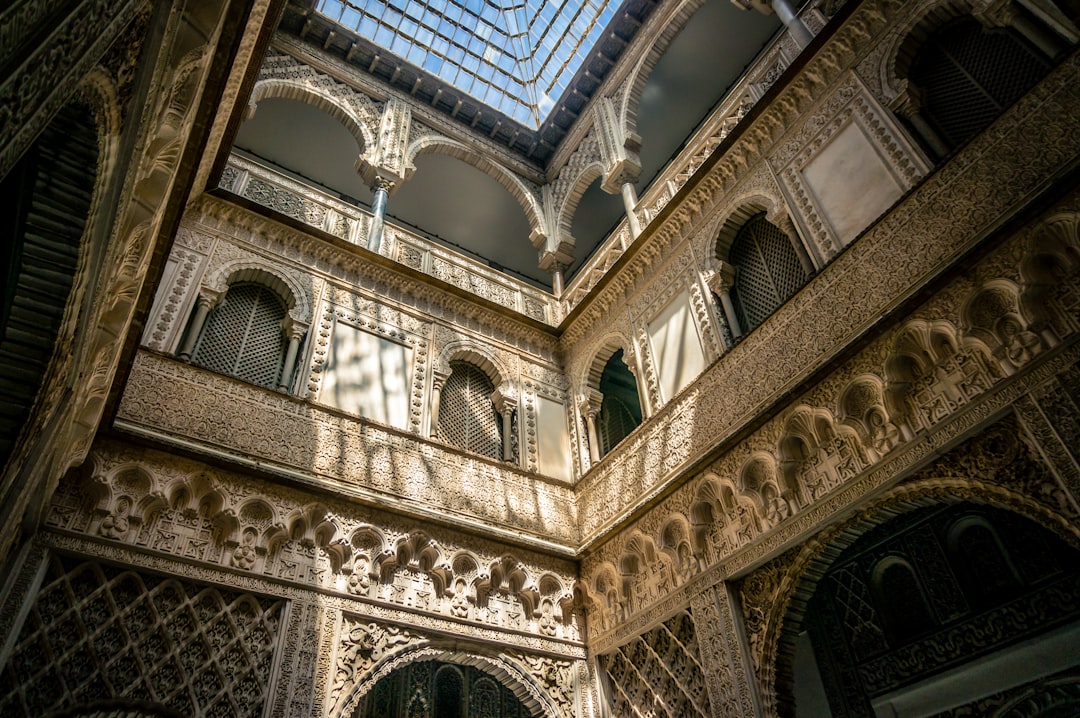
In the vibrant heart of Seville, the Alcázar represents a perfect blend of history and architecture. This royal palace, which is also one of the official residences of the Spanish royal family, has its roots in the Islamic era, witnessing centuries of transformations and cultural influences. Its extraordinary beauty and historical significance make it a must-visit for anyone traveling to the Andalusian capital.
Discover the Alcázar of Seville: a Gem of Andalusian History | Secret World Trip Planner

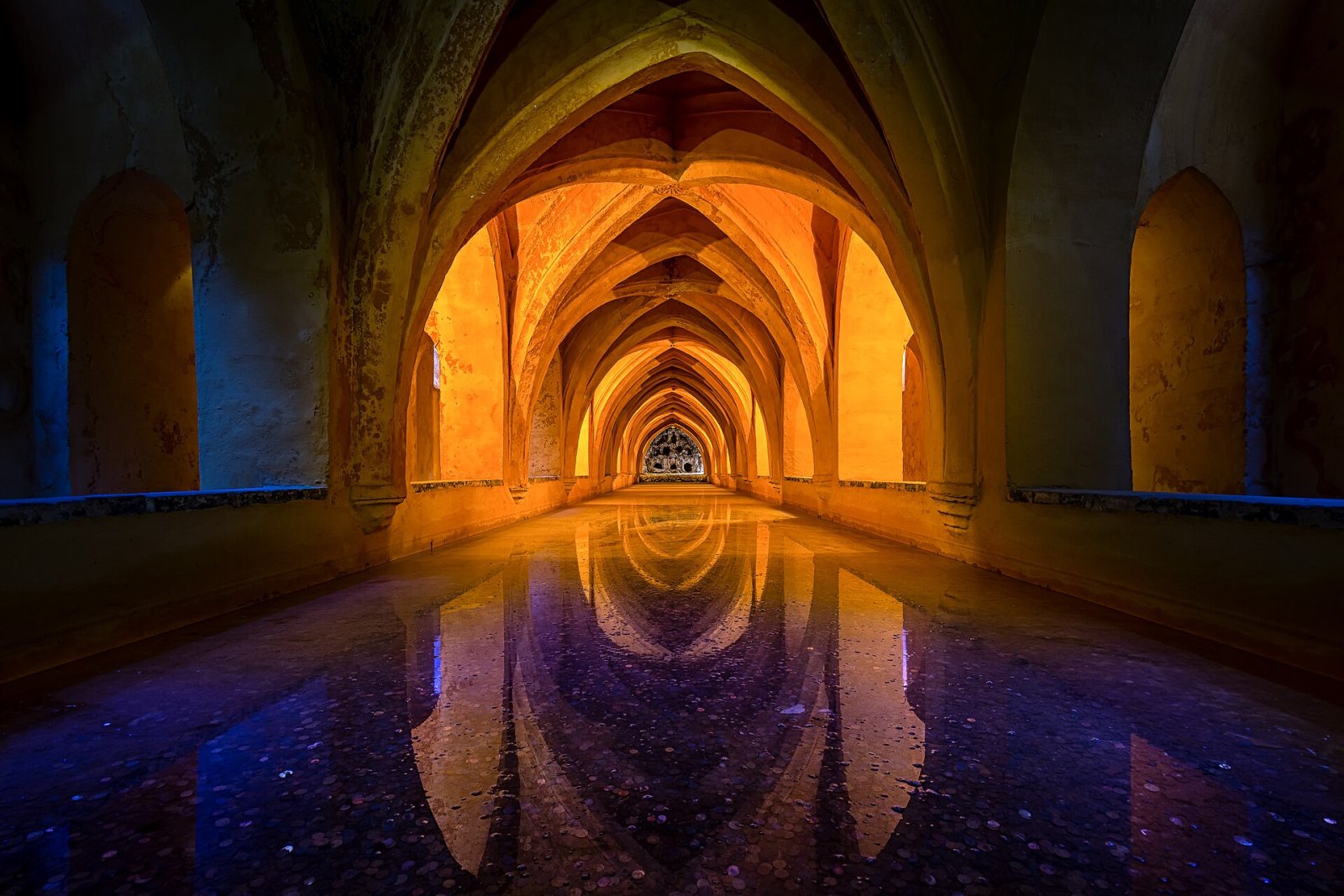
Initially built as an Islamic citadel in the 10th century, the Alcázar has evolved over the centuries, incorporating various architectural styles that tell the story of Seville and Spain. From the magnificence of Mudéjar to Gothic and Renaissance, every corner of this palace is steeped in stories and legends that captivate visitors.

History and Origins
Discover the Alcázar of Seville: a Gem of Andalusian History | Secret World Trip Planner

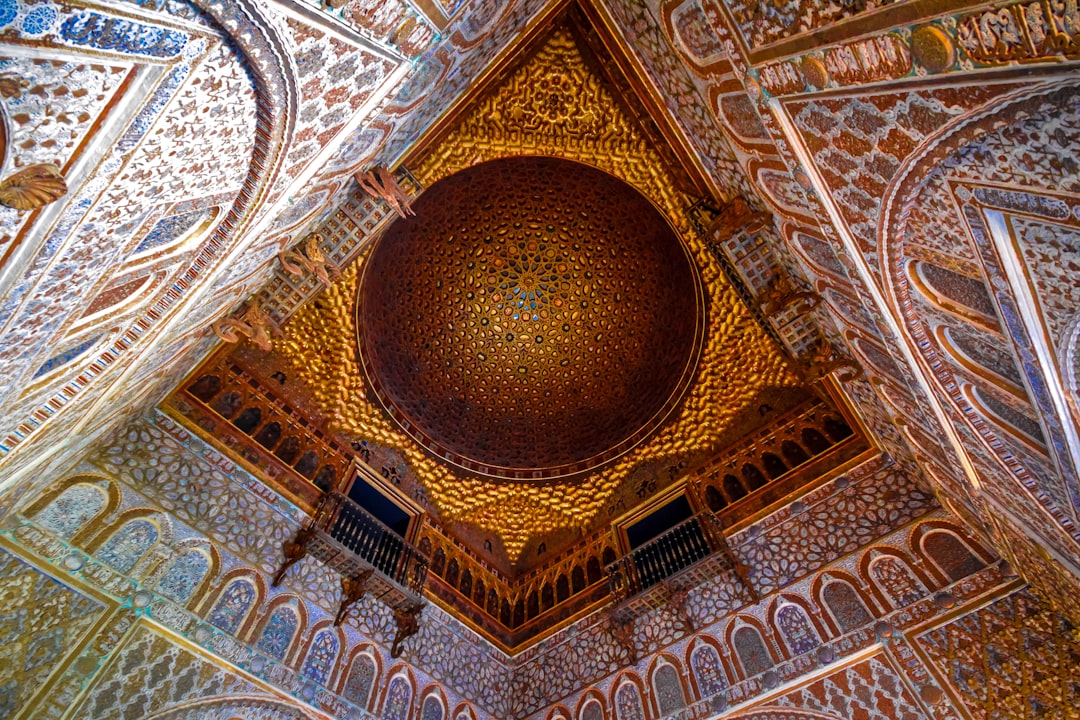
The Alcázar of Seville, officially known as the Royal Alcázar, is a prominent example of Mudéjar style on the Iberian Peninsula. Its construction began in the 10th century during the Umayyad rule, later expanded by the Abbadid dynasty in the 11th century and the Almohads in the 12th and early 13th centuries. After the Castilian conquest of the city in 1248, the complex was progressively rebuilt and renovated, giving rise to new palaces and gardens that harmoniously integrate with the existing structures.

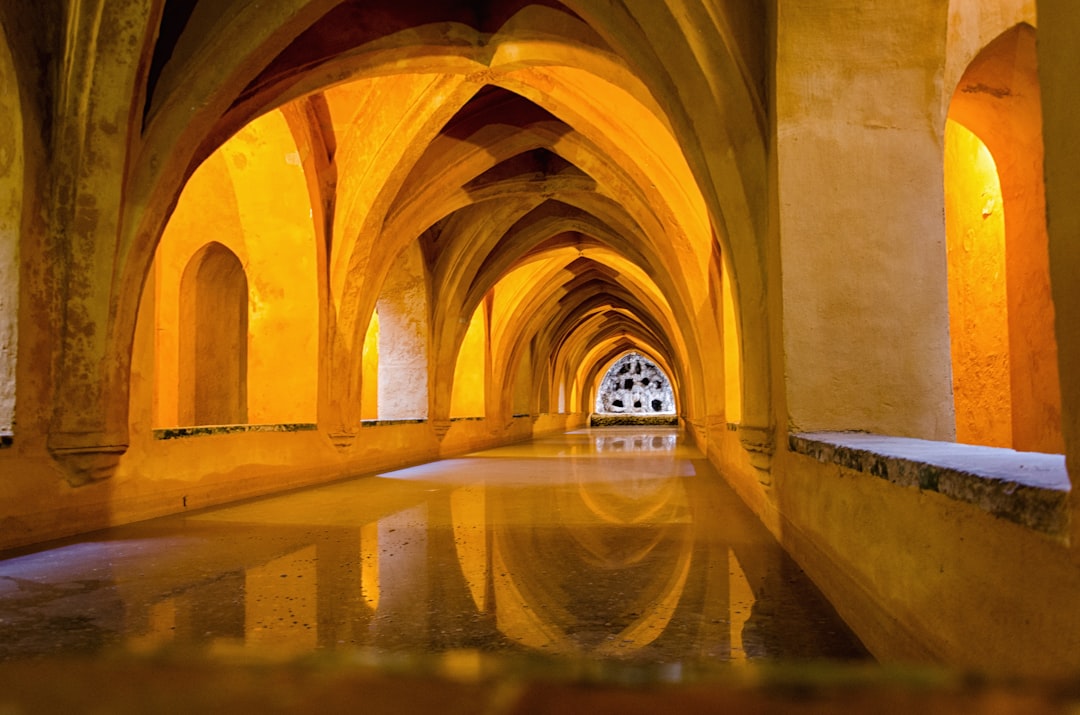
Among the most significant works is the richly decorated palace built by Pedro I in the 1360s, which represents a perfect example of Mudéjar art. In 1987, the Alcázar was recognized by UNESCO as a World Heritage Site, along with the Cathedral of Seville and the General Archive of the Indies, highlighting the historical and cultural importance of this place.

Discover the Alcázar of Seville: a Gem of Andalusian History | Secret World Trip Planner

Elements to Observe

Buy Unique Travel Experiences

Powered by Viator

See more on Viator.com

Explore nearby

Frequently Asked Questions

The Alcázar was initially built as an Islamic citadel in the 10th century during the Umayyad rule, later expanded by the Abbadid dynasty in the 11th century and the Almohads in the 12th and early 13th centuries. After the Castilian conquest in 1248, it was progressively rebuilt and transformed into a royal palace that remains one of the official residences of the Spanish royal family today.
The Alcázar showcases a remarkable blend of architectural styles including Islamic, Mudéjar, Gothic, and Renaissance elements that reflect centuries of cultural influences and transformations. The most significant example is the richly decorated palace built by Pedro I in the 1360s, which represents a perfect example of Mudéjar art and is one of the most prominent examples of this style on the Iberian Peninsula.
Yes, the Alcázar was officially recognized as a UNESCO World Heritage Site in 1987, alongside the Cathedral of Seville and the General Archive of the Indies. This recognition highlights the historical and cultural importance of this palace as a gem of Andalusian history.
The Alcázar stands out as a unique blend of Islamic, Mudéjar, Gothic, and Renaissance influences that evolved over more than a thousand years, telling the story of Seville and Spain through its architecture. Its distinction lies in being one of the oldest royal palaces still in use as an official residence of the Spanish royal family, combining historical significance with practical modern use.
The most notable feature is the palace built by Pedro I in the 1360s, which showcases exquisite Mudéjar decoration and represents a masterpiece of medieval Spanish architecture. Visitors should also explore the palace's courtyards, gardens, and various chambers that demonstrate the layers of history and architectural styles accumulated throughout the centuries.