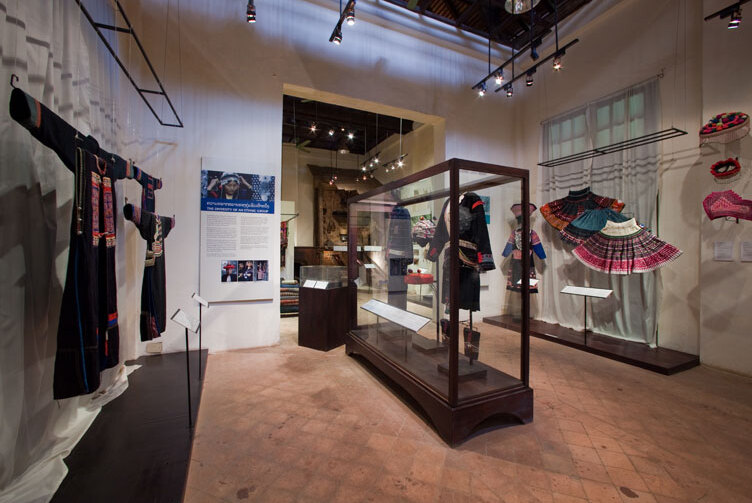

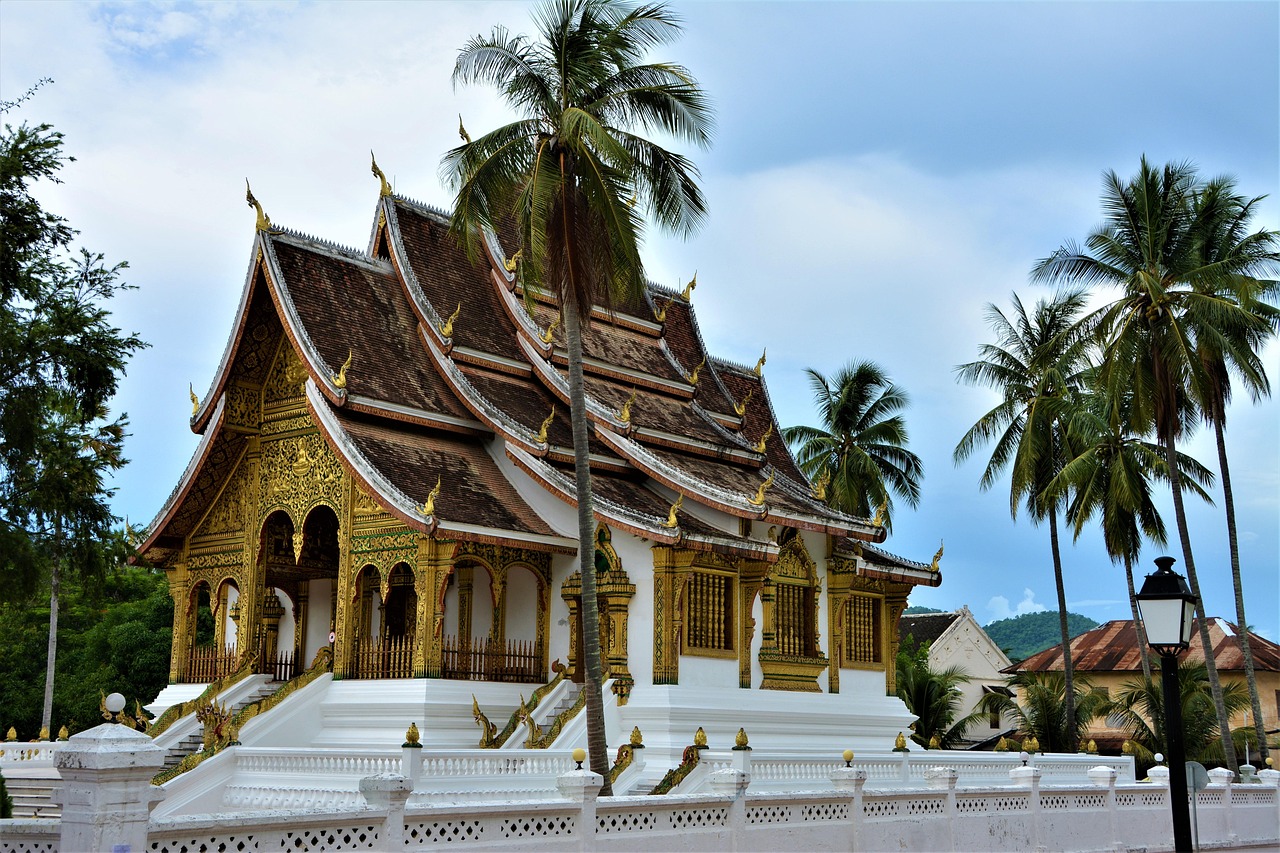
Nestled in the heart of Luang Prabang, the Traditional Arts and Ethnology Centre (TAEC) stands as a testament to the rich tapestry of Laotian culture and heritage. Housed in a beautifully preserved French colonial residence dating back to the 1920s, the TAEC offers a unique glimpse into the traditions and lives of the diverse ethnic communities that populate the mountainous regions of northern Laos.
History and Origins The origins of the TAEC can be traced back to the early 2000s when a group of dedicated individuals sought to preserve and promote the endangered cultural expressions of the Laotian people. Established in 2007, the centre was born out of a desire to educate both locals and tourists about the rich diversity of Laos’ ethnic groups, which include the Hmong, Khmu, and Tai among others. Each of these communities possesses unique customs, languages, and art forms, many of which are at risk of fading away as modernization influences the country.
Art and Architecture The architectural charm of the TAEC is undeniable. The building, characterized by its elegant French colonial style, features high ceilings, wooden shutters, and ornate details that evoke the colonial past of Luang Prabang. Inside, the museum is meticulously organized into three main rooms, each dedicated to different aspects of Laotian cultural heritage. The exhibits include traditional textiles, tools, and artifacts that tell the stories of the various ethnic groups. Notable artworks on display include intricately woven textiles and beautifully crafted wooden masks, each telling a story of its own and highlighting the artistic significance of local craftsmanship.
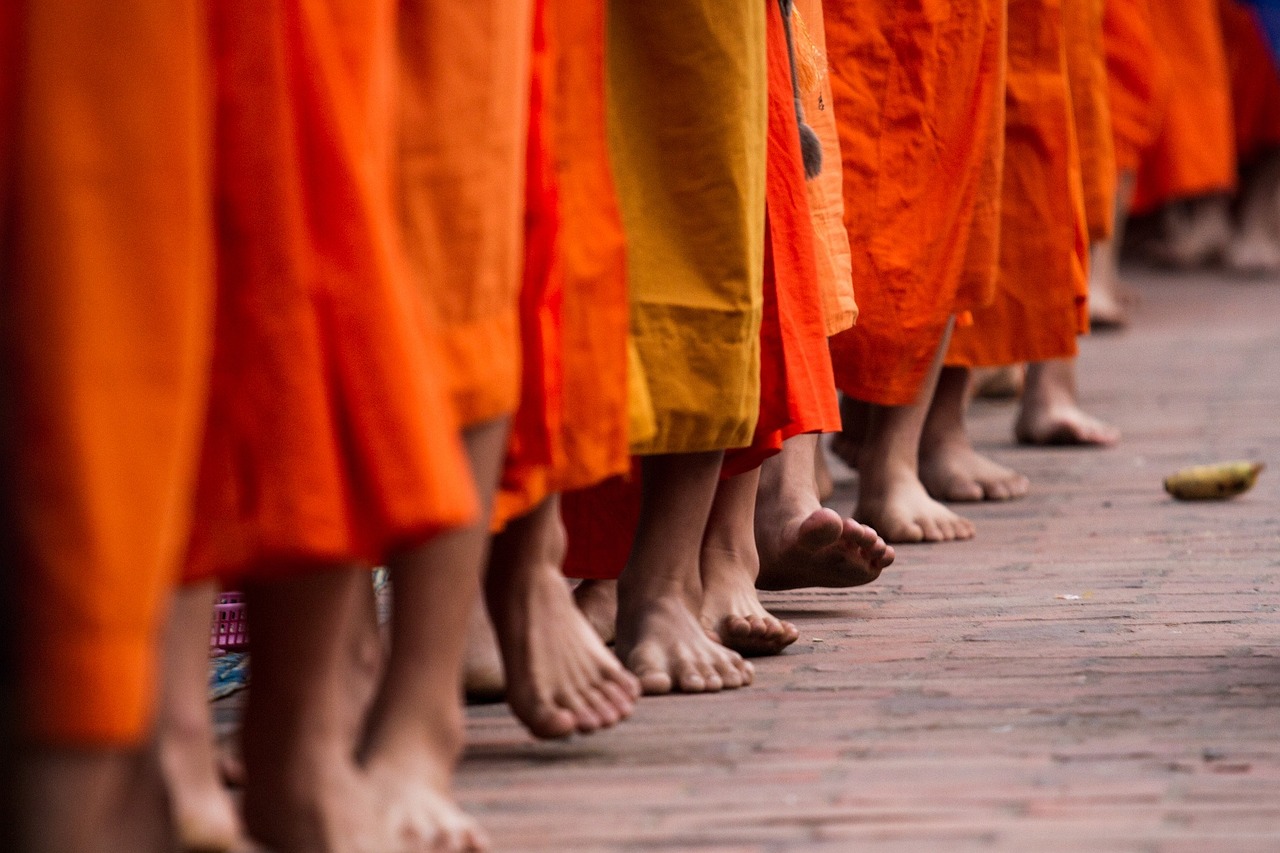
Local Culture and Traditions Luang Prabang is not just a hub for tourists; it is a living canvas of culture and tradition. The TAEC plays a vital role in showcasing local customs and festivals. Visitors can learn about the Baci ceremony, a traditional Lao blessing ritual that involves the tying of white strings around the wrist, symbolizing the connection between the physical and spiritual worlds. Additionally, the centre celebrates various cultural festivals, such as the Lao New Year (Pi Mai), where the streets come alive with water fights, music, and dance, showcasing the vibrant spirit of the community.
Gastronomy No visit to Luang Prabang would be complete without indulging in its culinary delights. The city offers a plethora of local foods that are both delicious and reflective of its cultural heritage. One must-try dish is larb, a spicy minced meat salad typically seasoned with lime juice, fish sauce, and fresh herbs. Another local specialty is khao soi, a flavorful coconut curry noodle soup. To wash it down, Lao coffee, known for its rich flavor and unique brewing method, is a must. The TAEC often hosts workshops on traditional Lao cooking, providing a delightful opportunity to engage with local gastronomy firsthand.
Lesser-known Curiosities While the TAEC is a well-known attraction, some hidden gems often go unnoticed by visitors. For instance, the museum holds periodic workshops that allow guests to engage directly with artisans, learning about traditional crafting techniques such as silk weaving and basket making. Additionally, the centre features a small shop selling handcrafted goods, where every purchase supports local artisans. Another surprising fact is that the TAEC is not just a museum; it is also a research centre focused on documenting and preserving the oral histories of Laos' ethnic groups, making it a vital repository of knowledge and culture.
Practical Visitor Information The best time to visit Luang Prabang is during the dry season, from November to February, when the weather is cooler and more pleasant for exploring. The TAEC offers guided tours in English, which can greatly enhance your experience and understanding of the exhibits. Be sure to take your time strolling through the various displays, as each item has a story that deserves attention. Don’t forget to check the centre's calendar for special events or exhibitions that might coincide with your visit, as these can provide even deeper insights into Laotian culture.
In conclusion, the Traditional Arts and Ethnology Centre is more than just a museum; it is a celebration of the cultural diversity that makes Laos unique. A visit here not only enriches your understanding of the country's heritage but also fosters a deeper appreciation for the traditions that continue to thrive amidst a rapidly changing world. For an even more personalized experience in Luang Prabang, consider using the Secret World app to craft your own AI itinerary.