
← Back

Laos: Wat Xieng Thong (Temple of the Golden City)

Khem Khong, Luang Prabang, Laos ★★★★☆ 463 views
Lana De Blase
Luang Prabang
🏆 AI Trip Planner 2026

Get the free app

Discover the best of Luang Prabang with Secret World — the AI trip planner with 1M+ destinations. Get personalized itineraries, hidden gems and local tips. Free on iOS & Android.

🧠 AI Itineraries 🎒 Trip Toolkit 🎮 KnowWhere Game 🎧 Audio Guides 📹 Videos
Scan to download iOS / Android
Scan for AppGallery Huawei users

About Laos: Wat Xieng Thong (Temple of the Golden City)

Laos: Wat Xieng Thong (Temple of the Golden City) - Luang Prabang | Secret World Trip Planner

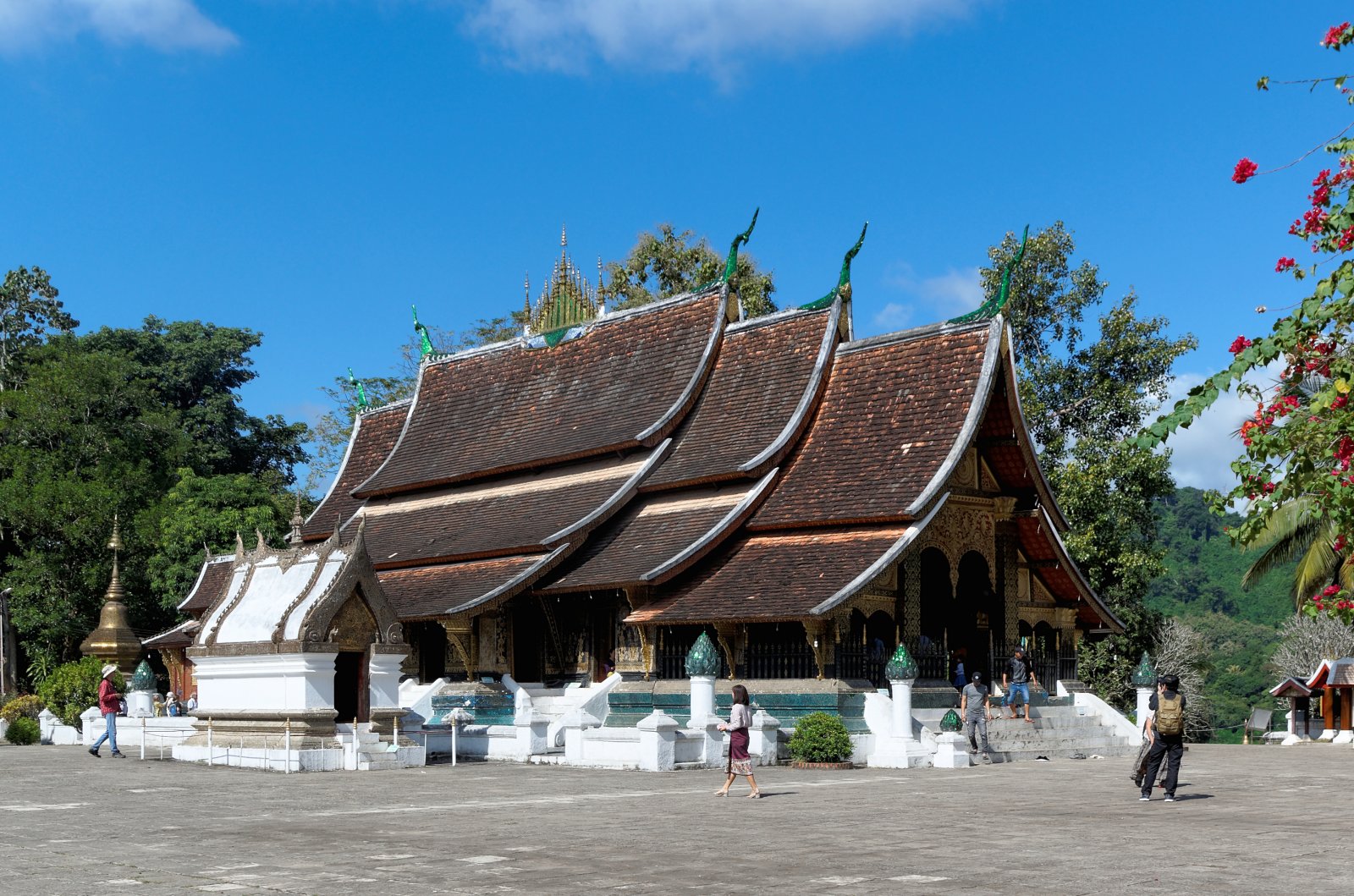
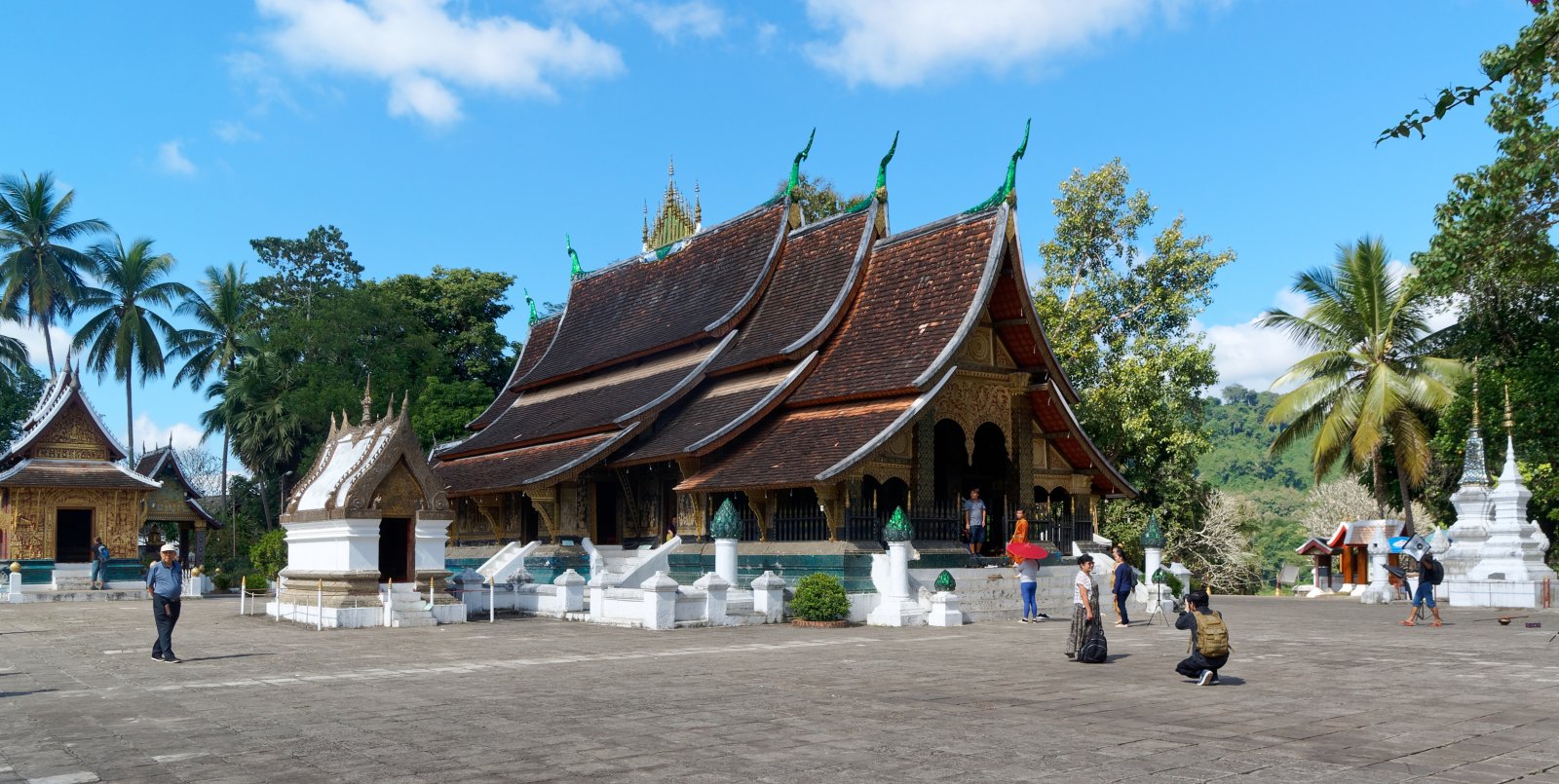
Nestled in the heart of Luang Prabang, Wat Xieng Thong, or the Temple of the Golden City, stands as a stunning testament to the rich tapestry of Laos's spiritual and historical heritage. Built in 1560 by King Setthathirat, this temple is not merely a place of worship; it is a vibrant symbol of the Laotian identity, intertwining the nation’s past with its present.

Laos: Wat Xieng Thong (Temple of the Golden City) - Luang Prabang | Secret World Trip Planner

### History and Origins

The origins of Wat Xieng Thong are steeped in the legacy of the Lao Kingdom of Lan Xang, known as the "Land of a Million Elephants." As one of the earliest royal temples, it played a crucial role in the coronation ceremonies of Lao kings, marking it as a significant site of political and religious authority. Over the centuries, the temple has witnessed the ebb and flow of history, including the turmoil of the Vietnam War, which left much of Laos in disarray. Despite these challenges, Wat Xieng Thong has remained a sanctuary of peace and spirituality, reflecting the resilience of the Laotian people.

Laos: Wat Xieng Thong (Temple of the Golden City) - Luang Prabang | Secret World Trip Planner

### Art and Architecture

The architectural style of Wat Xieng Thong is a stunning example of traditional Lao design, featuring a blend of Buddhist and Hindu influences. The temple complex is adorned with intricate wall carvings, vibrant mosaic patterns, and gilded decorations that catch the light beautifully, especially at sunrise. The most remarkable feature is the “Tree of Life” mosaic on the rear wall, depicting stories from the Buddhist canon alongside elements of everyday life in Laos.

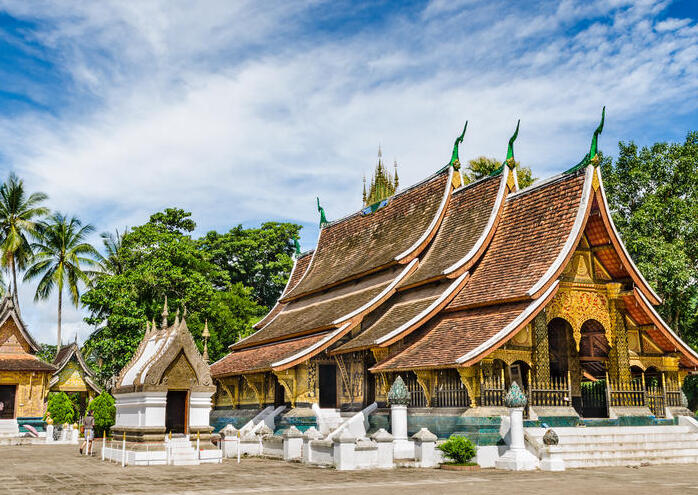
The sim, or congregation hall, is the temple's most impressive structure. Its sweeping rooflines and ornate decorations create an ethereal atmosphere that transports visitors into a world of spiritual reflection. Visitors should take a moment to appreciate the details: the swirling motifs on the wooden doors, the gilded stupa, and the serene Buddha statues that line the hall, each telling a story of devotion and artistry.

### Local Culture and Traditions

Wat Xieng Thong is not only a monument of history but also a living center of Laotian culture. Monks reside within its walls, leading a life dedicated to meditation and study. Visitors may witness daily rituals such as almsgiving, where locals present offerings to the monks at dawn, a practice rich in spiritual significance.

Festivals such as Buddha Day and Lao New Year are celebrated with great fervor at the temple, featuring colorful processions and traditional dances that showcase the vibrant culture of Laos. These events draw locals and tourists alike, turning the temple grounds into a lively celebration of faith and community.

### Gastronomy

Exploring the culinary delights of Luang Prabang is an essential part of any visit. Near Wat Xieng Thong, visitors can indulge in khao soi, a creamy coconut curry noodle soup that is a staple in Laotian cuisine. Another local favorite is laap, a fragrant dish made with minced meat, herbs, and spices, often served with sticky rice, a cultural cornerstone of Laotian meals.

Don't miss the chance to sip on sticky rice whisky or Lao beer, both of which are popular among locals and offer a taste of the region's unique brewing traditions. Street vendors near the temple often sell delicious snacks and drinks, perfect for a quick refreshment after exploring the sacred site.

### Lesser-known Curiosities

While many visitors flock to the more prominent features of Wat Xieng Thong, there are hidden details that often go unnoticed. For example, the temple houses a small museum displaying ancient artifacts, including old manuscripts and ceremonial items used in Buddhist practices.

Another intriguing fact is the presence of a royal funeral carriage within the temple grounds, used historically for the transportation of deceased royalty. The carriage is a striking example of the craftsmanship that defines Laotian art and serves as a reminder of the country's regal past.

### Practical Visitor Information

To fully appreciate Wat Xieng Thong, plan your visit early in the morning when the temple is less crowded, and the soft light enhances its beauty. The temple is open daily from 6 AM to 6 PM, with an entry fee of 20,000 kip. Dress modestly; shoulders and knees should be covered, and visitors are required to remove their shoes before entering the temple buildings.

For those looking to immerse themselves in the local culture, consider timing your visit to coincide with one of the many festivals celebrated at the temple. This way, you can experience the vibrancy of Laotian traditions firsthand.

As you explore the spiritual essence of Wat Xieng Thong, remember that Luang Prabang is a treasure trove of experiences waiting to be uncovered. Use the Secret World app to craft a personalized itinerary that brings to life the wonders of this enchanting city.

🗺 La app de los tesoros hispanos

Plan your visit to Luang Prabang

Suggested itinerary near Laos: Wat Xieng Thong (Temple of the Golden City)

MAJ+
500.000+ travelers worldwide
  1. 🌅
    Morning
    Laos: Wat Xieng Thong (Temple of the Golden City)
    📍 Luang Prabang
  2. ☀️
    Afternoon
    Luang Prabang|TAEC:Traditional Arts and Ethnology Centre
    📍 1.3 km · Luang Prabang
  3. 🌆
    Evening
    Sunset at Luang Prabang
    📍 1.8 km · Luang Prabang

Buy Unique Travel Experiences

Powered by Viator

See more on Viator.com

Explore nearby · Luang Prabang

Frequently Asked Questions

Wat Xieng Thong was built in 1560 by King Setthathirat during the prosperous Lao Kingdom of Lan Xang, also known as the 'Land of a Million Elephants.' As one of the earliest royal temples, it served as a crucial site for coronation ceremonies of Lao kings, establishing its significance as a center of political and religious authority.
The most remarkable feature is the 'Tree of Life' mosaic on the rear wall, which depicts stories from the Buddhist canon alongside elements of everyday Laotian life. The temple's sim (congregation hall) is equally impressive, showcasing sweeping rooflines, intricate wall carvings, vibrant mosaic patterns, and gilded decorations that blend traditional Lao design with Buddhist and Hindu influences.
Wat Xieng Thong stands as a vibrant symbol of Laotian identity and spiritual heritage, intertwining the nation's past with its present. Despite witnessing significant historical turmoil, including the Vietnam War, the temple has remained a sanctuary of peace and spirituality, reflecting the resilience of the Laotian people.
Visitors should take time to appreciate the swirling motifs on the wooden doors, the gilded stupa, and the serene Buddha statues that line the congregation hall. The intricate details throughout the temple complex, including the gilded decorations and mosaic patterns, are particularly stunning at sunrise when the light catches the embellishments beautifully.
Wat Xieng Thong is nestled in the heart of Luang Prabang, one of Laos's most enchanting cities. The temple is easily accessible within the city center and is one of the must-see attractions in Luang Prabang, making it a convenient stop for visitors exploring this UNESCO World Heritage town.