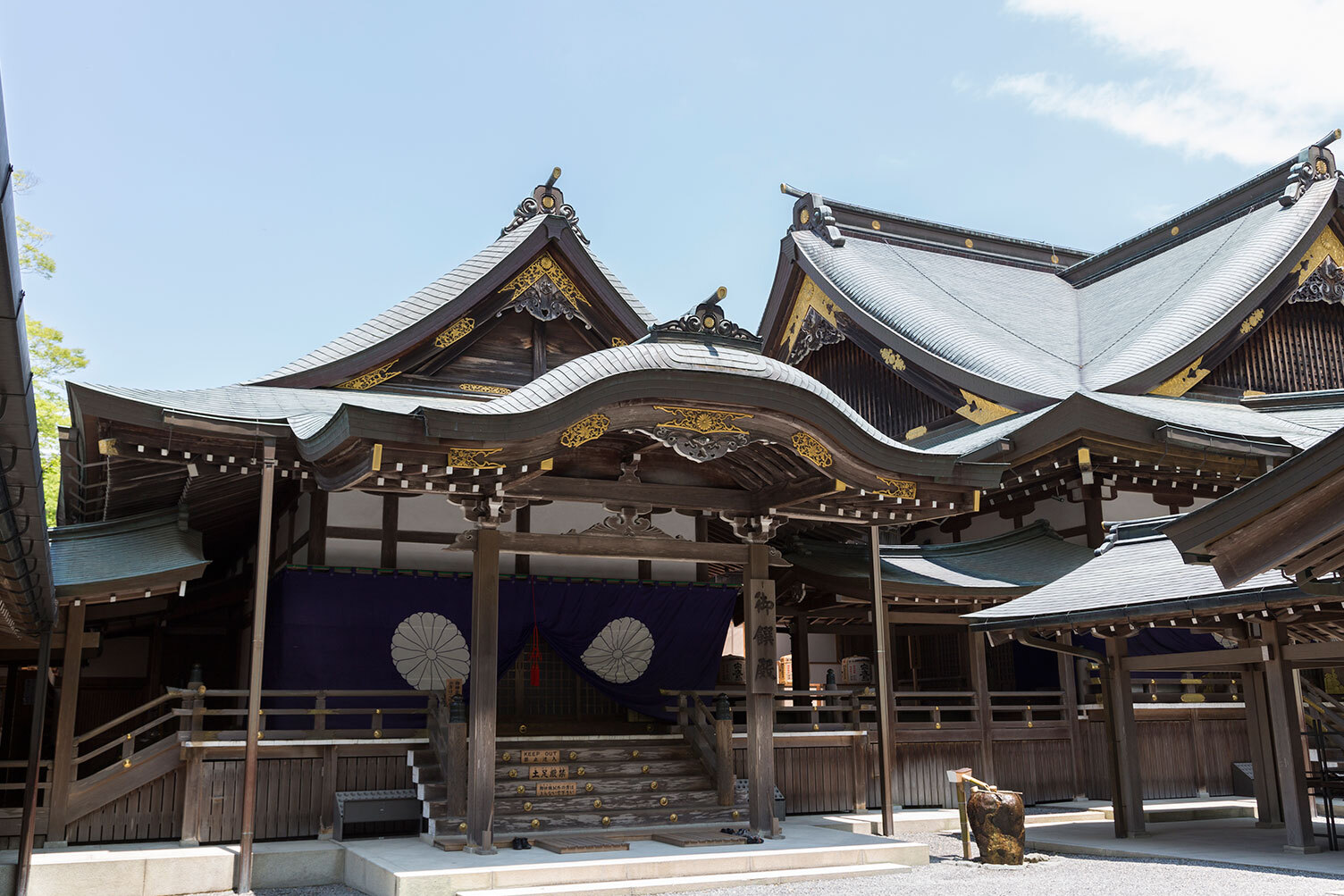

Nestled in the heart of Ise-shi, Mie Prefecture, the Ise Jingu is not just a shrine; it is a living embodiment of Shinto beliefs and practices that have flourished for centuries. Revered across Japan, it is considered the most sacred of all Shinto shrines, dedicated to the sun goddess Amaterasu, the ancestral deity of the Japanese imperial family. Founded over 2,000 years ago, the shrine complex consists of two main shrines: Naikū (inner shrine) and Gekū (outer shrine). The Naikū, where the sacred mirror, a symbol of Amaterasu, is housed, draws millions of pilgrims and visitors seeking spiritual solace.
The first documented mention of Ise Jingu dates back to the 3rd century, but its origins are much older, steeped in mythology and legend. Emperor Jimmu, the first emperor of Japan, is said to have established the shrine, although it likely evolved from local animistic practices that honored the natural world. Throughout history, Ise Jingu has undergone significant transformations, especially during the Meiji Restoration (1868) when Shinto was elevated to state religion status, further solidifying its importance in Japanese culture.
Architecturally, Ise Jingu exemplifies the Shinto style, characterized by simplicity, natural materials, and harmony with nature. The buildings are constructed using Japanese cypress and feature thatched roofs, which blend seamlessly into the surrounding forests. Every 20 years, the shrine is meticulously reconstructed as part of a ritual known as shikinen sengu, reflecting the Shinto belief in death and rebirth. The last ceremony took place in 2013, marking the 62nd iteration of this sacred tradition. Though the public is not permitted to enter the inner sanctum of the Naikū, visitors can admire the stunning craftsmanship and serene environment that envelops the shrine.
Local culture around Ise Jingu is rich with traditions and festivals. The most significant event is the Ise Jingu Grand Festival, which occurs every 20 years alongside the rebuilding of the shrine. This festival, known as Sengu, involves elaborate rituals, including the transport of sacred items to the new shrine. Visitors can also partake in smaller annual events, such as the Mikagemai, a dance performed by shrine maidens that honors the deities.
Culinary offerings in Ise-shi are intrinsically linked to the shrine's spiritual significance. One must-try dish is Ise-ebi, or Japanese spiny lobster, which is often served in traditional meals during shrine visits. The region is also known for its Mikan oranges, celebrated for their sweetness and often given as offerings at the shrine. When visiting, don't miss the chance to sample local specialties at nearby restaurants, many of which use fresh, regional ingredients to create dishes that honor the spirit of the land.
For those exploring Ise Jingu, several lesser-known curiosities await discovery. One fascinating aspect is the shrine's sacred tree, known locally as Mikage no Ki, which is believed to be over 1,000 years old. This tree is said to harbor the spirit of the goddess Amaterasu herself. Furthermore, many visitors are unaware that the Gekū shrine, although often overshadowed by the Naikū, holds significant importance as it is dedicated to Toyouke-ōmikami, the deity of agriculture and industry. This duality of worship reflects the holistic approach of Shintoism towards nature and life.
The best time to visit Ise Jingu is during the spring (March to May) and autumn (September to November), when the weather is mild and the natural beauty of the surrounding forests is at its peak. Be sure to arrive early to soak in the tranquil atmosphere before the crowds arrive. Visitors should also take advantage of the walking trails that connect the shrines, allowing for a reflective journey through the lush landscape.
As you explore this sacred site, take time to participate in traditional rituals, such as purification at the temizuya (water basin) and making wishes at the offering altar. Photographers should capture the stunning interplay of light filtering through the trees and reflecting off the shrine's wooden structures, revealing the enchanting spirit of Ise Jingu.
In conclusion, Ise Jingu stands not just as a shrine but as a testament to Japan's enduring cultural heritage. Its intertwining of history, spirituality, and artistry offers visitors a profound connection to the past and a glimpse into the soul of Japanese culture. To truly appreciate its essence, consider planning your visit with the Secret World app for a personalized itinerary that reveals the hidden treasures of Ise-shi.