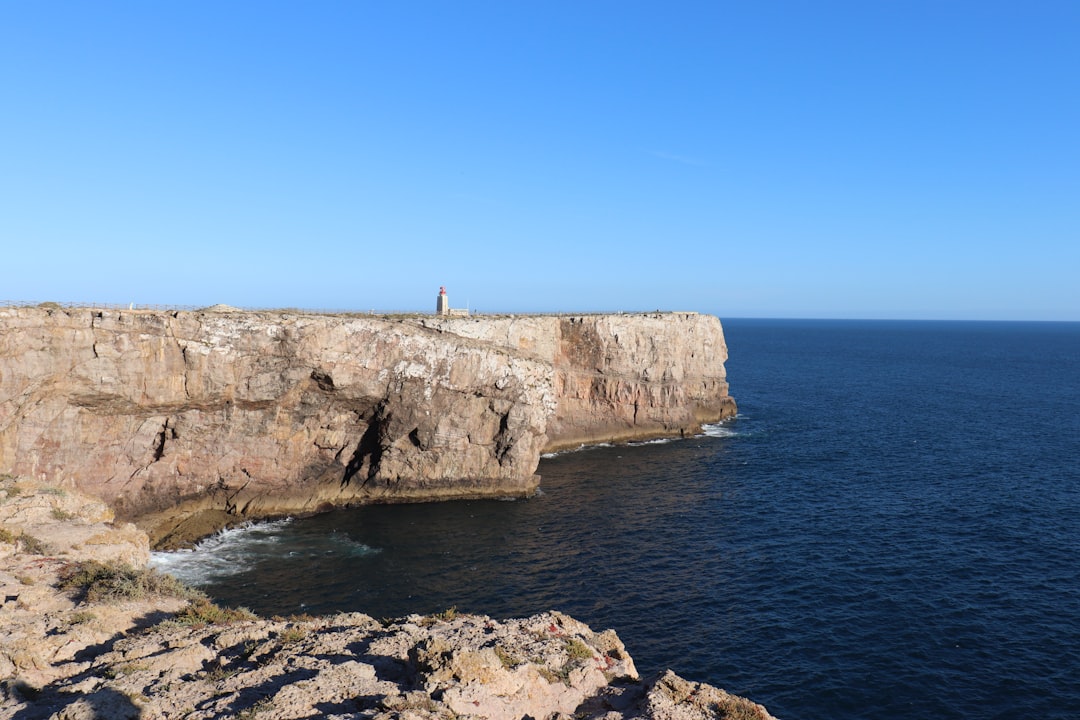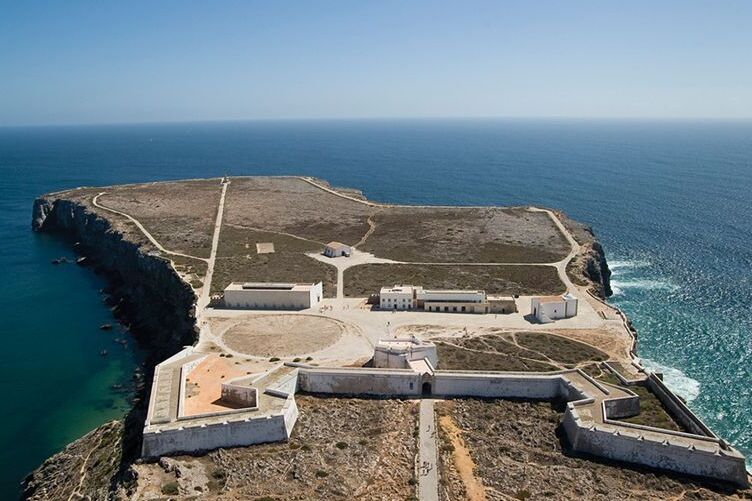

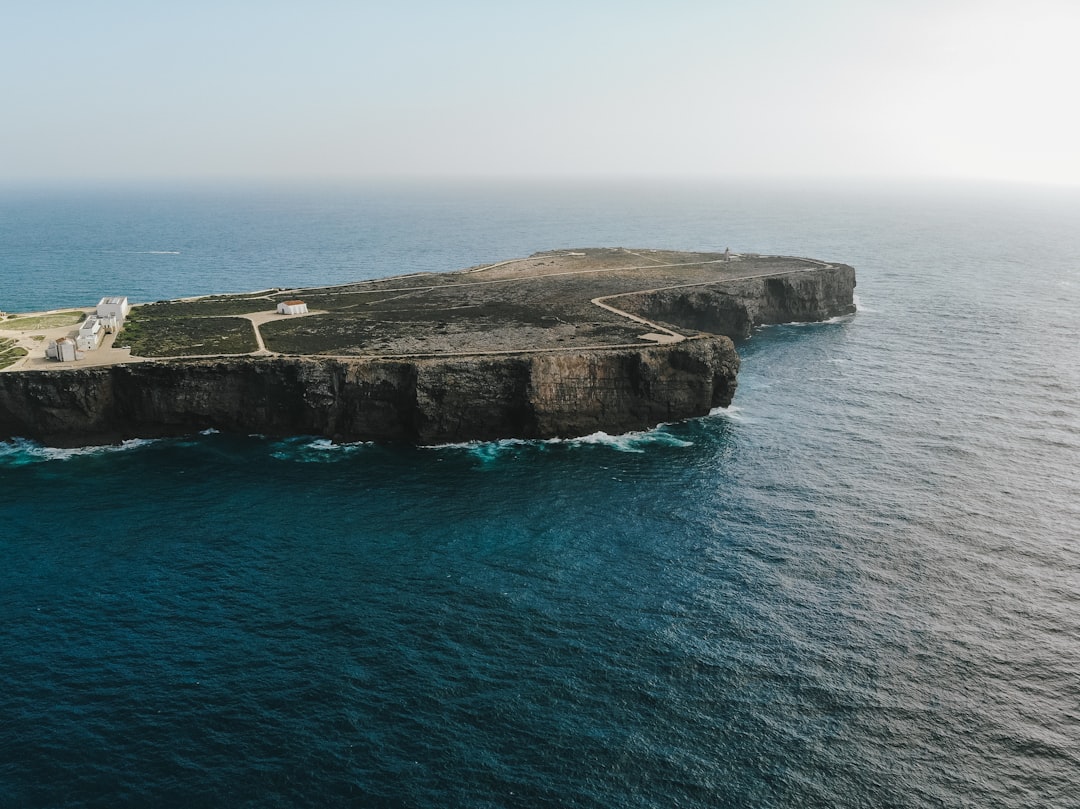
Fortaleza de Sagres stands as a monumental testament to Portugal's maritime heritage, perched on a dramatic headland overlooking the Atlantic Ocean. Located in Sagres, this fortress, dating back to the 15th century, is remarkable for its unique architectural design, featuring only one exterior wall while relying on the 200-foot cliffs for its formidable defenses. Built initially to ward off North African pirates, it has witnessed numerous historical events, including enhancements over the centuries and significant damage during the 1755 earthquake that devastated Lisbon and much of the Algarve region.
### History and Origins The origins of Fortaleza de Sagres are steeped in the Age of Discoveries. Commissioned by Prince Henry the Navigator, a pivotal figure in maritime exploration, the fortress served as a base for expeditions that would chart the coasts of Africa and beyond. The site itself has ancient roots, with evidence of human activity dating back to pre-Roman times. It was originally a sacred site for the Celtic tribes who inhabited the region, believed to be a place of worship dedicated to ocean deities.
Over the years, the fortress underwent several modifications to bolster its defenses. It became a strategic military outpost during the Spanish Succession War and later played a crucial role during the Napoleonic Wars. The catastrophic 1755 earthquake, which resulted in a tidal wave that wreaked havoc along the coast, caused considerable damage to the fortress, leading to its eventual abandonment in the late 19th century.
### Art and Architecture Architecturally, Fortaleza de Sagres is a blend of military necessity and natural beauty. The fortress is characterized by its stark white walls, which contrast dramatically with the surrounding red cliffs and deep blue ocean. The single exterior wall runs along the edge of the cliffs, while the fortress’s interior includes various structures that served different military functions.
One of the most intriguing features is the Rosa dos Ventos, a massive compass rose etched into the ground, believed to have been used by navigators to determine directions. The compass, measuring about 43 feet in diameter, showcases the importance of navigation in the maritime history of Portugal. Additionally, remnants of the old barracks and a small chapel add to the site's historical significance, while the rugged surroundings provide breathtaking views that inspire awe.
### Local Culture and Traditions The culture of Sagres is deeply intertwined with its maritime history, and this is reflected in local customs and festivals. Every year, the town hosts the Festa de Nossa Senhora da Graça, a celebration honoring the patron saint of sailors. This festival, held in September, features processions, traditional music, and local seafood delicacies, showcasing the community's strong connection to the sea.
Local artisans continue to preserve traditional crafts, including pottery and weaving, often selling their goods at markets. The influence of Algarvian culture can be felt through the warm hospitality of the locals and their enduring traditions that celebrate the region's rich history.
### Gastronomy When it comes to gastronomy, Sagres boasts an array of delectable dishes that highlight its coastal bounty. Fresh seafood is at the heart of local cuisine, with specialties such as grilled sardines, octopus salad, and the famous cataplana, a seafood stew cooked in a traditional copper pot.
Pair your meal with a glass of Vinho Verde or a local Sagres beer, both of which perfectly complement the flavors of the region. Don’t miss the opportunity to indulge in a sweet treat called Dom Rodrigo, a dessert made with eggs, sugar, and almonds, often enjoyed during local festivities.
### Lesser-Known Curiosities Beyond its historical allure, Fortaleza de Sagres is home to lesser-known curiosities that add to its charm. Legend has it that the fortress is haunted by the ghost of a sailor who perished in a shipwreck, and many visitors claim to have felt a mysterious presence while exploring the battlements.
Another intriguing aspect is the local belief that the fortress marks the edge of the world, as it was once thought to be the last stop before the unknown waters of the Atlantic. The sheer cliffs and expansive ocean views evoke a sense of adventure and mystery that resonates with many who visit.
### Practical Visitor Information The best time to visit Fortaleza de Sagres is during the spring and early autumn months, when the weather is mild and the tourist crowds are thinner. The site is open to visitors year-round, although hours may vary seasonally, so checking ahead is advisable.
While exploring, take your time to walk along the cliffs and soak in the stunning views of the coast. Don’t forget to bring a camera, as the scenery is breathtaking. For a deeper understanding, consider hiring a local guide who can share stories and insights that you might otherwise miss.
In conclusion, Fortaleza de Sagres is not only a historical monument but a vibrant part of the cultural fabric of Sagres. Its majestic cliffs, rich history, and local traditions make it a must-visit destination for anyone exploring the Algarve region. For a tailored experience, consider using the Secret World app to plan your personalized itinerary to explore Sagres.