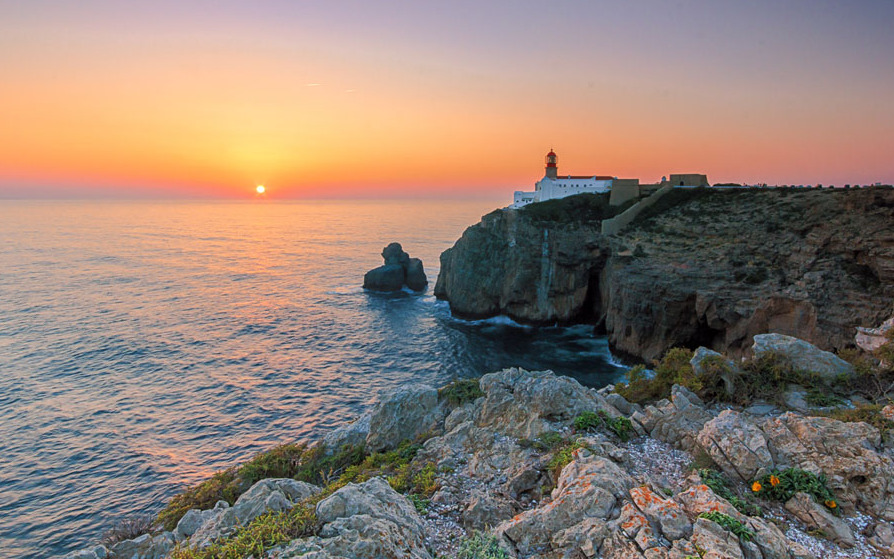

Back in medieval times, Cabo de São Vicente (Cape of Saint Vincent) was believed to be the end of the world. We know better these days, of course, but when you're standing there on the rugged cliff top, being buffeted by the Atlantic winds and gazing out at nothing but ocean, it's easy to understand why. This dramatic landscape is steeped in history, having served as a crucial landmark for sailors navigating the treacherous waters since ancient times. The Cape derives its name from Saint Vincent of Saragossa, a martyr whose relics were said to be housed in a nearby monastery, making it a significant pilgrimage site during the Middle Ages. The lighthouse, built in the late 19th century, stands as a sentinel over the waves, guiding mariners safely home. As you wander along the cliffs, the echoes of history resonate in the crashing waves, inviting you to explore its past.
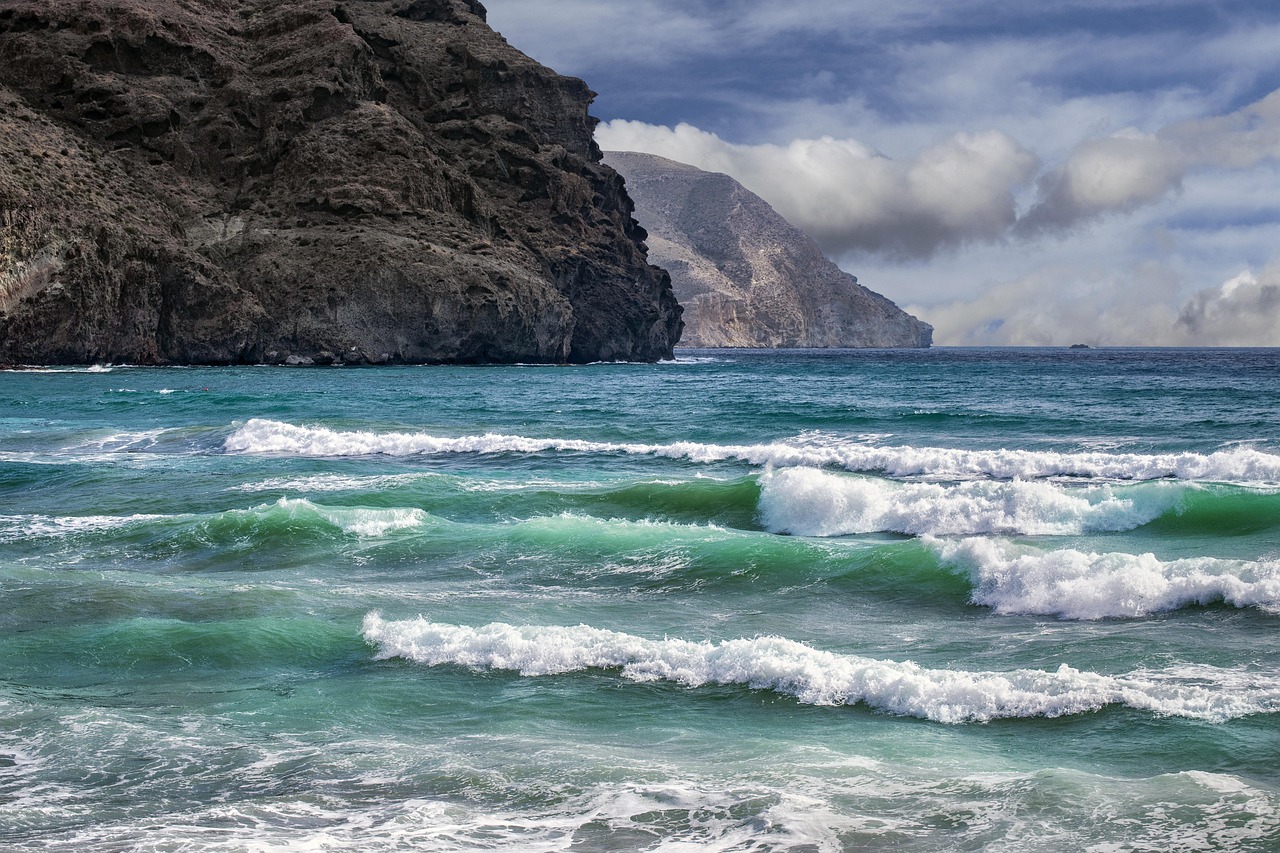
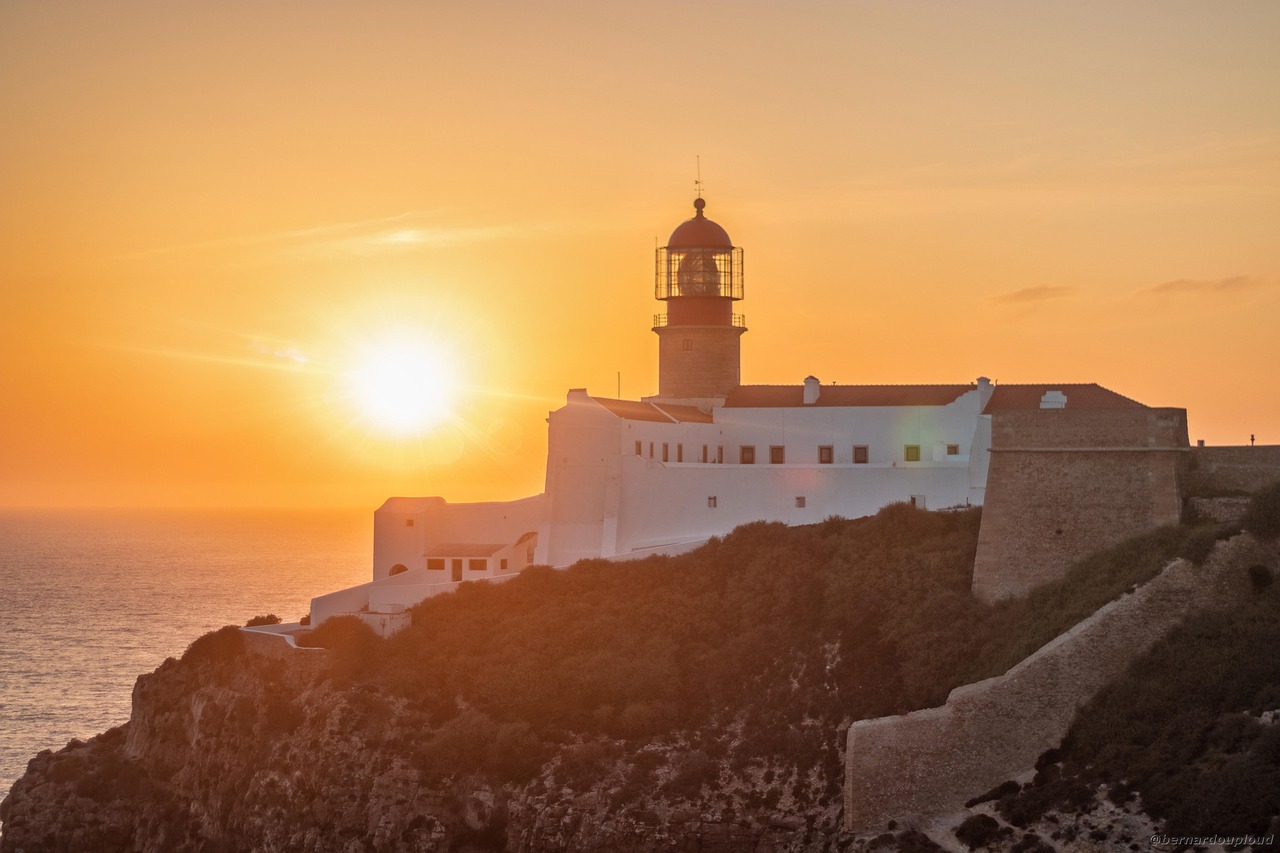
The architecture at Cabo de São Vicente is both austere and striking. The lighthouse, completed in 1846, is one of the most powerful in Europe, standing at 24 meters tall. Its neoclassical style is emblematic of the period, while its white façade starkly contrasts with the rugged cliffs and deep blue sea. Nearby, remnants of the Fortaleza de Sagres remind visitors of the military importance this area held during the Age of Discoveries, particularly under the patronage of Prince Henry the Navigator in the early 15th century. Although much of the fortress is in ruins, the spirit of maritime exploration still lingers.
Local culture thrives in Sagres, a town intimately linked to the history of maritime exploration. The Festa de São Vicente, held every January, celebrates the saint with processions, music, and local dishes. This festival not only honors the patron saint but also fosters community spirit among the locals. The traditions of fishing and sailing are palpable here, with local fishermen still practicing age-old techniques, and the art of crafting traditional wooden boats is kept alive through generations.
Gastronomy in Sagres is a delightful reflection of its coastal heritage. Fresh seafood is the star of the local cuisine, with dishes like grilled sardines and octopus salad served in many eateries. A must-try is the cataplana, a traditional seafood stew cooked in a clam-shaped pot, which is both aromatic and flavorful. Pair your meal with a glass of Vinho Verde, a light and refreshing wine that complements the oceanic fare beautifully. For a sweet treat, indulge in dom rodrigo, a local dessert made from egg yolks, sugar, and almonds, wrapped in a colorful paper casing.
For those who delve deeper, Cabo de São Vicente holds some lesser-known curiosities. Despite its dramatic scenery, many visitors overlook the Boca do Inferno, or