
Located on the Atlantic coast of Colombia, India Catalina is a historical figure of great importance, symbolizing an era of conflicts and encounters between cultures. Born in 1495, Catalina was a young indigenous woman of the Mokaná ethnicity, whose fate changed dramatically when she was captured by Spanish conquerors. Her life represents a crossroads of stories and traditions, a journey that deserves to be told and known in depth.
Her story is not only that of a young woman but also of an interpreter and cultural mediator who played a crucial role during the Spanish conquest of Colombia. India Catalina is a symbol of resistance and adaptation, a figure that invites us to reflect on the interactions between colonizers and indigenous populations.
History and Origins
India Catalina was born in a context of great upheaval, the daughter of a local chief and raised in a community that lived in harmony with nature. However, in 1509, her life changed radically when she was captured by Diego de Nicuesa, a Spanish conqueror. Transported to Santo Domingo, Catalina learned the Spanish language and embraced the Catholic faith, although she was still considered a slave. This transitional period allowed her to become an important interpreter for the Spanish conquerors, particularly for Pedro de Heredia, who used her in his conquest campaign.
During the years spent with Heredia, Catalina was not only an interpreter but also a concubine. Their relationship, complex and controversial, intertwined with her life and identity. Despite the challenges, Catalina distinguished herself for her courage, so much so that it is said she took Heredia to court for gold theft. This act of rebellion underscores her determination and desire to reclaim her worth in an era of oppression.
Elements to Observe
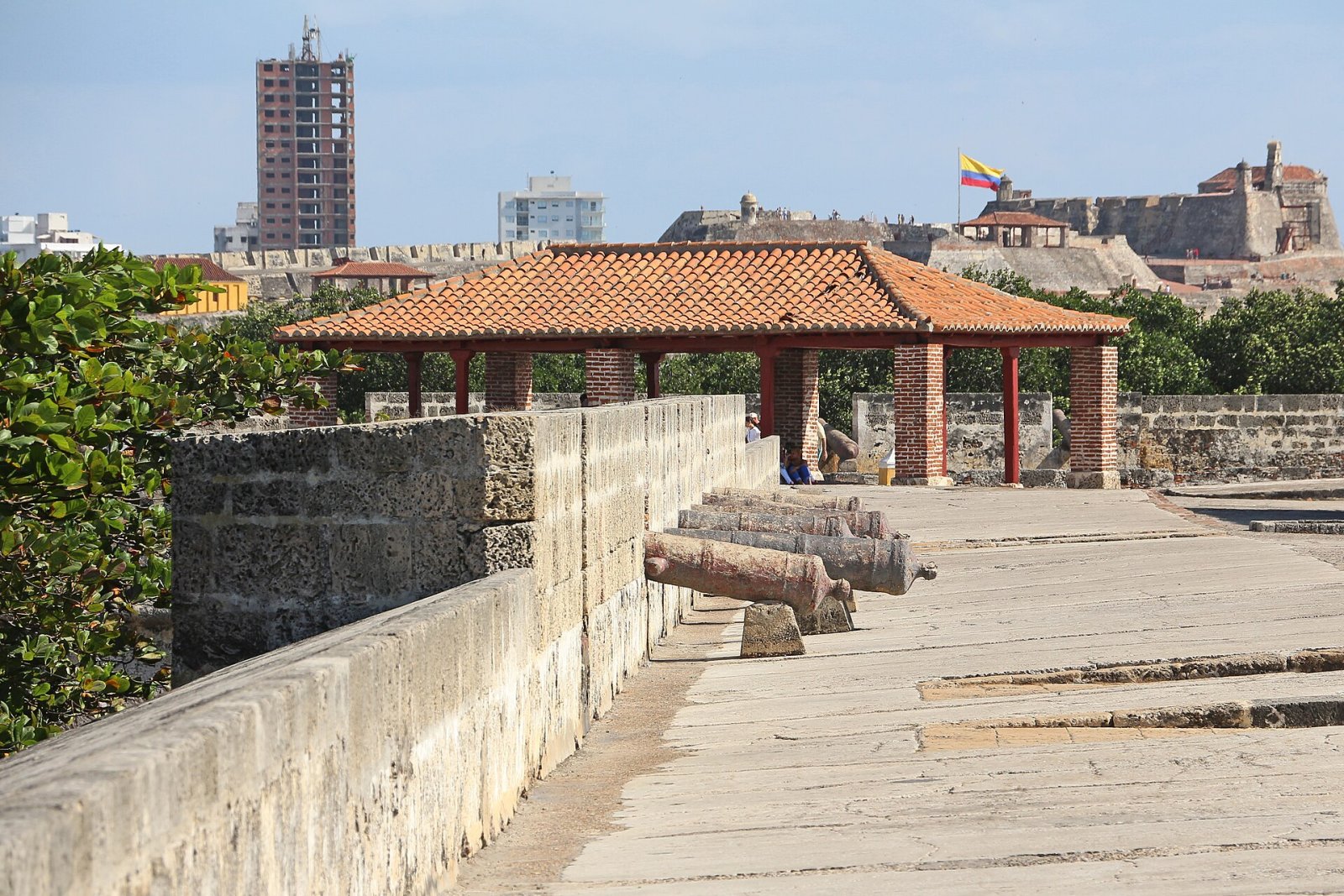
Visiting India Catalina today offers a unique opportunity to explore the rich history of the region. The area surrounding her legacy is characterized by historical monuments and archaeological sites that tell the story of the Spanish conquest and its impact on indigenous cultures. Despite the passage of time, the memory of Catalina and her community is still alive, and visitors can immerse themselves in an atmosphere that reflects the fusion of traditions.
An interesting element to observe is how the figure of India Catalina has been reinterpreted in modern Colombian media. The dramatic series "La reina de Indias y el conquistador" has helped to bring her story to light, presenting her as a symbol of resilience and strength. This renewed interest has led to greater awareness and appreciation for indigenous cultures and their history.
Why It Is Interesting Today
Today, the figure of India Catalina continues to spark interest and debate. Her life represents an example of how identities are shaped by historical and cultural experiences. In an increasingly globalized world, her story invites reflection on themes of colonialism, identity, and belonging. Her legacy is an important reminder for future generations, a call not to forget the stories of those who have been marginalized.
Moreover, India Catalina has become a symbol of pride for the indigenous peoples of Colombia, who see in her an example of strength and determination. Her story has been the subject of academic studies and public discussions, contributing to a greater understanding of the historical dynamics that have shaped the country.
Practical Information for Visitors
For those wishing to delve into the history of India Catalina, it is advisable to visit the historical sites of the region, which offer a unique context for understanding her impact. The city of Cartagena, in particular, is an ideal starting point, with its museums and monuments that tell the story of conquest and indigenous resistance. Visitors can also participate in guided tours that provide an in-depth perspective on Catalina's life and the significance of her legacy.
Finally, it is useful to download the Secret World app, which offers helpful information and insights about the historical sites of Colombia, allowing visitors to explore the rich culture and history of the country in an interactive and engaging way.