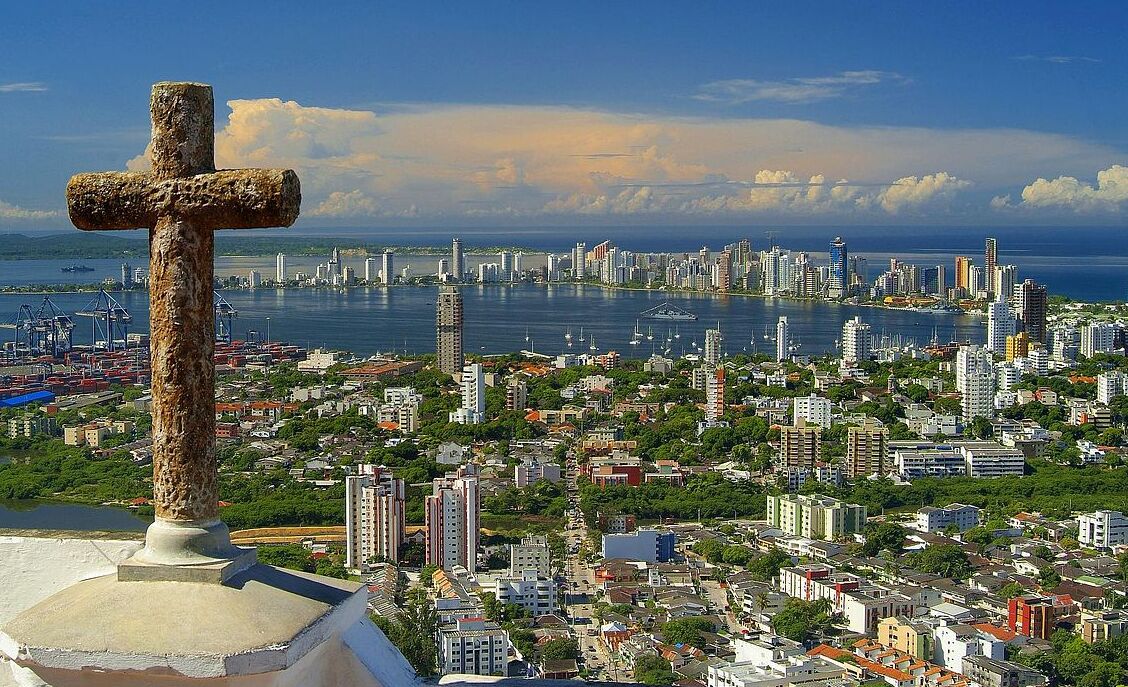

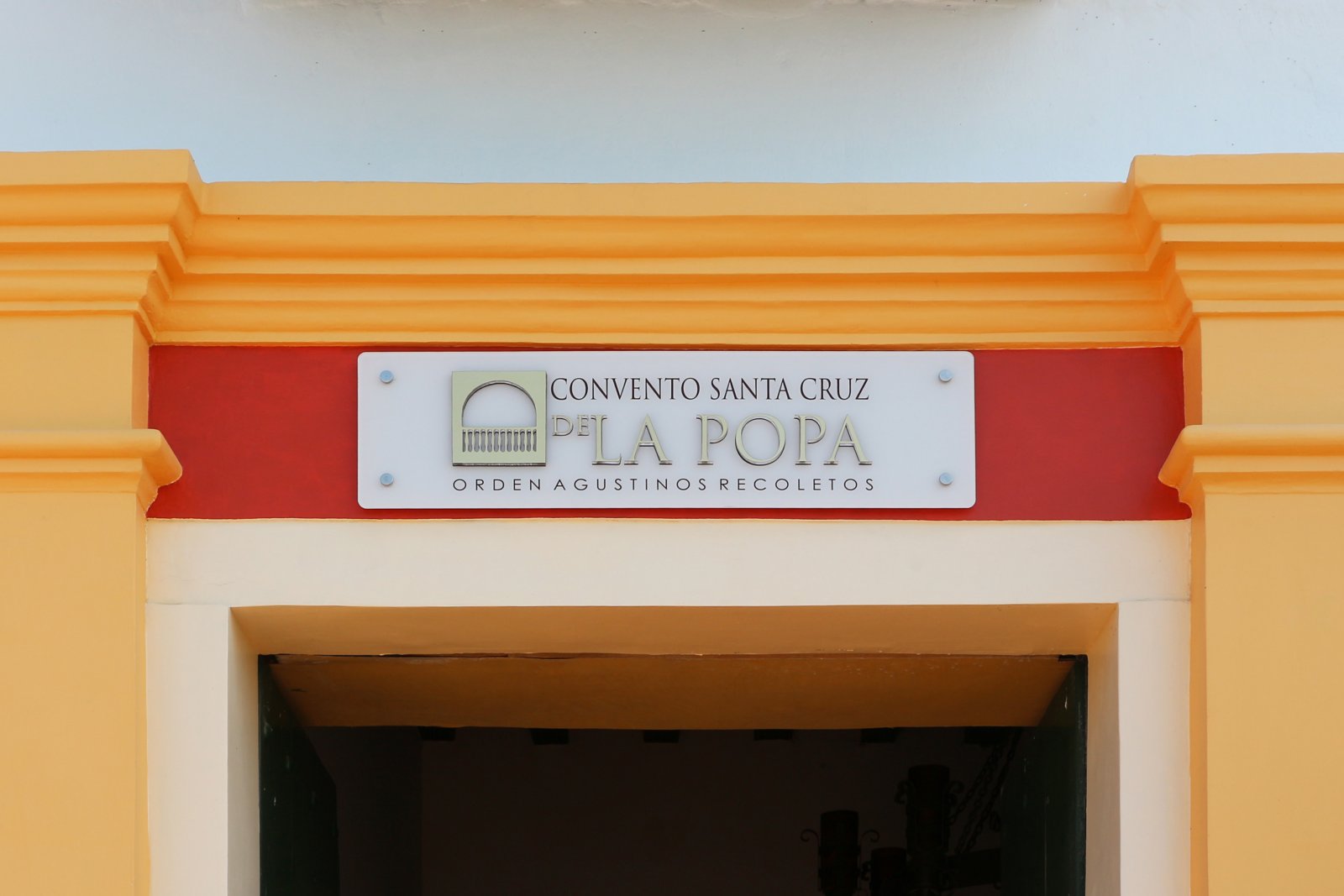
Perched atop the highest point in Cartagena, Convento De La Popa offers not only breathtaking vistas but a rich tapestry of history, art, and culture. Founded in 1607, this convent was established by the Augustinians and named for its unique shape, reminiscent of a ship’s poop deck. Initially a simple chapel, it was fortified in the late 18th century to protect against pirate attacks, a testament to Cartagena's tumultuous maritime history.
As you ascend the winding road leading to the convent, the anticipation builds. Be sure to negotiate the cab fare before setting off; this is a common practice in Colombia. Upon arrival, visitors are met with a stunning panorama, encompassing the sprawling cityscape of Cartagena, its vibrant beaches, and the distant Caribbean Sea.
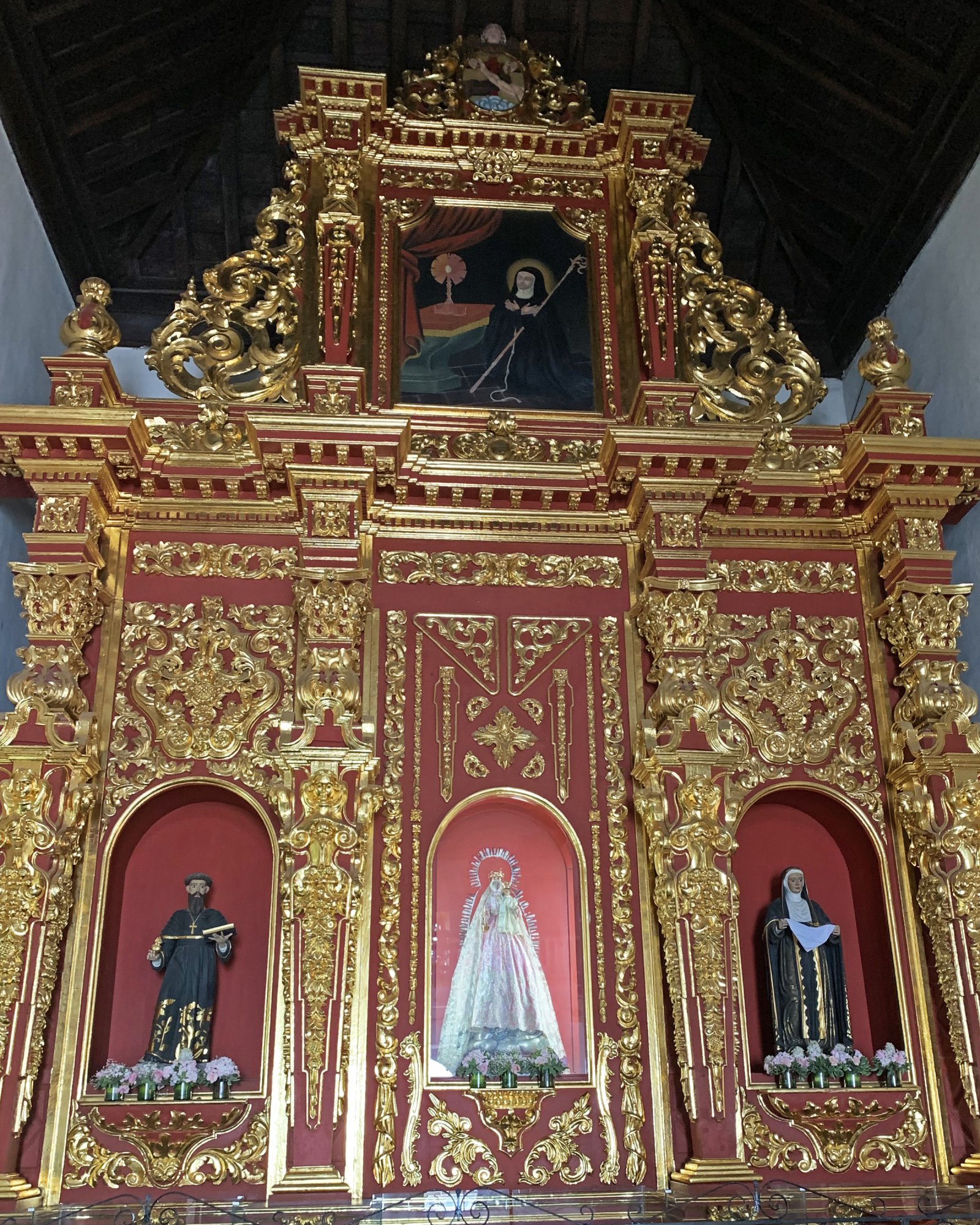
Architecturally, the Convento De La Popa is a striking example of colonial Spanish architecture, featuring thick stone walls and a charming courtyard filled with colorful flowers. The chapel, dedicated to La Virgen de la Candelaria, is adorned with intricate altarpieces and religious artwork, inviting contemplation and reverence. The image of the Virgen, believed to be a protector of sailors, holds particular significance for the local fishermen and is celebrated in various religious festivals.
Local customs are deeply intertwined with the convent’s history. Each February, the city comes alive during the feast of La Virgen de la Candelaria, where locals and visitors alike participate in processions and religious celebrations honoring the patron saint. It is a vibrant expression of Cartagena's cultural identity, blending indigenous, African, and Spanish influences, creating a unique tapestry of traditions.
Culinary delights abound in Cartagena, and no visit is complete without sampling local specialties. Try the arepas de huevo, a deep-fried cornmeal pocket filled with egg, or the ceviche de camarones, fresh shrimp marinated in lime juice and spices. Pair these with a refreshing aguardiente, an anise-flavored spirit that is Colombia’s national drink. The flavors are as diverse as the city’s history, making every meal an adventure.
For the curious traveler, there are lesser-known stories that add depth to the convent’s legacy. One such tale is that of Father Domingo de la Cruz, a priest who was murdered in the early 1800s for his fervent efforts to spread the Gospel. His statue stands in the courtyard, serving as a poignant reminder of the struggles endured in the name of faith.
Practical tips for visitors include planning your trip during the early morning or late afternoon hours to avoid the heat and capture stunning photographs under the golden light. The entrance to the convent is modestly priced, and while there is a gift shop, the true treasures lie in the views and the spiritual ambiance of the place.
As you explore Convento De La Popa, take time to wander through the lush gardens and soak in the serene atmosphere. The combination of history, art, and community spirit makes this site a must-visit in Cartagena.
For a tailored experience of this enchanting city, consider using the Secret World app to curate your own personalized itinerary.