





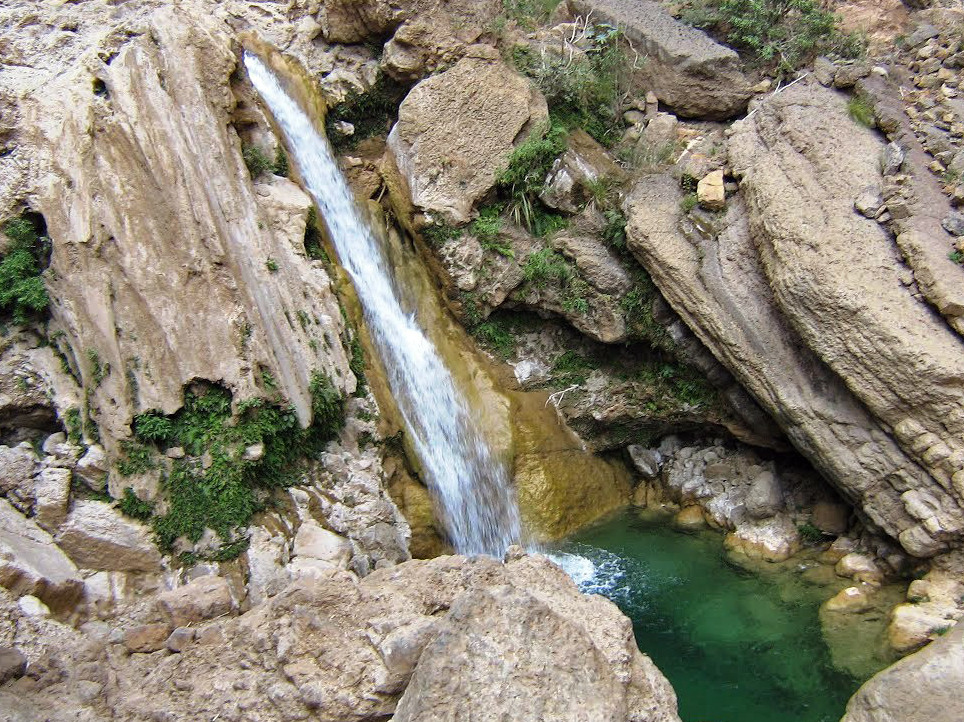
Nestled within the rugged Cal Madow mountain range of northern Sanaag, Somalia, the enchanting Lamadaya Waterfalls offer a glimpse into a world where nature and history intertwine seamlessly. Often shrouded in the mist of the highlands, these waterfalls are a hidden gem waiting to be discovered by the adventurous traveler.
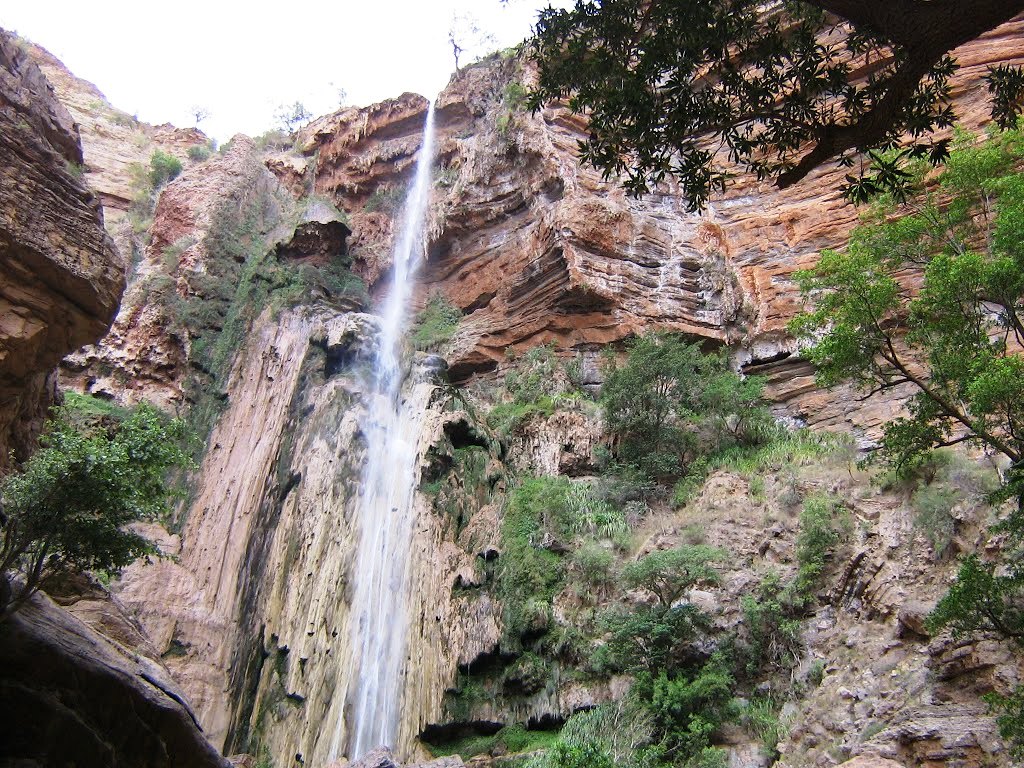
The history of Lamadaya is as rich as the land it graces. The name "Lamadaya" translates to "not to be found easily" in Somali, a testament to its secluded beauty. Historically, this area was part of the ancient trade routes that connected the Horn of Africa to the Middle East and beyond. The rugged terrain of Sanaag was not just a passageway but a cultural crossroads where ancient civilizations, including the Punt Kingdom, left their mark. Although less documented, oral traditions suggest that the area around Lamadaya was a site of local gatherings and spiritual rituals, bringing together communities from the vast Somali hinterlands.
Art and architecture in the region are deeply intertwined with its natural surroundings. While there are no grand architectural monuments nearby, the landscape itself is a canvas of natural artistry. The surrounding cliffs and valleys are dotted with prehistoric rock paintings, thought to be thousands of years old. These artworks depict scenes of daily life, cattle, and geometric patterns, offering insights into the lives of early inhabitants. The artistry of these rock paintings is not just in their depiction but in their resilience against time, providing a tangible connection to a bygone era.
Local culture around Lamadaya is vibrant and deeply rooted in tradition. The people of Sanaag, predominantly from the Somali ethnic group, are known for their rich oral storytelling traditions, which often include legends about the waterfalls. One such tale speaks of the waterfalls being a dwelling place for revered spirits, emphasizing the site's spiritual significance. Traditional music and dance are integral to the community, with instruments like the oud and durbakke drum setting the rhythm for lively local festivals. Although the region's remoteness limits large-scale celebrations, intimate gatherings often feature traditional Somali poetry, known as gabay.
Somali gastronomy is a delightful blend of local ingredients and influences from trade routes. Close to Lamadaya, visitors might taste dishes like canjeero, a type of flatbread similar to a pancake, often served with honey or stew. Suqaar, a flavorful dish of diced meat and vegetables, reflects the nomadic roots of the Somali people. Tea, or shaah, spiced with cardamom and cinnamon, is a staple and is often shared among visitors, symbolizing hospitality in Somali culture.
Among the lesser-known curiosities of Lamadaya is the story of the "singing stones." Local legend speaks of a cluster of stones near the waterfalls that, when struck, produce melodious sounds akin to a musical instrument. This natural phenomenon adds an element of mystery and wonder to the site, captivating those fortunate enough to experience it.
For practical visitor information, the best time to visit Lamadaya is during the cooler months from November to February, when the weather is more temperate and conducive to exploring the rugged terrain. Travelers should be prepared for a remote adventure, as the nearest town, Ceerigaabo, offers limited amenities. Hiring a local guide is recommended, both for navigating the landscape and for gaining deeper insights into the cultural and historical context of the region. It's essential to respect local customs, especially when visiting sites of spiritual significance, and to seek permission before photographing people or sacred places.
In the heart of the Cal Madow mountains, Lamadaya Waterfalls stand as a serene testament to the natural beauty and cultural depth of Somalia. Whether you're drawn by the whispers of ancient history, the allure of hidden artistry, or the call of untouched landscapes, Lamadaya promises an experience that is as enriching as it is unforgettable.