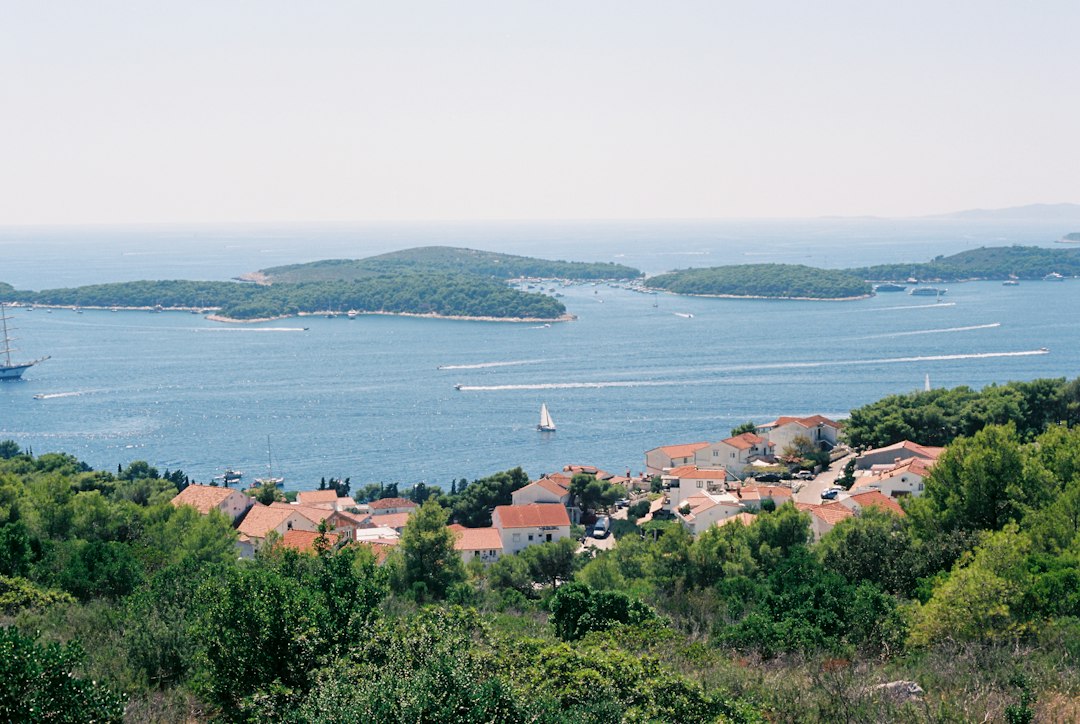

Under the karst hills of Herzegovina, a few kilometers from the border with Croatia, a mouth opens in the rock that swallows the daylight and returns a completely different world. Špilja Vjetrenica, the cave of winds, owes its name to the air currents that blow from the inside to the outside, a phenomenon that the locals of Ravno have known for centuries and that can still be physically felt at the entrance, like a cool and damp caress on the face.
This karst system is the largest in Bosnia and Herzegovina, with over 6,700 meters of explored galleries, although it is estimated that the underground network extends well beyond. But size is not the most extraordinary aspect of Vjetrenica: what makes this place truly exceptional is its underground biodiversity, recognized by speleobiologists as the richest in Europe among hypogean environments. Here live more than 150 animal species, many of which are endemic and adapted to millions of years of isolation in complete darkness.
The proteus, the creature that does not forget
Among all the creatures that inhabit Vjetrenica, one alone manages to capture the imagination immediately: the proteus, Proteus anguinus, a blind aquatic salamander that visitors can observe in the tanks and underground pools during the guided tour. White as wax, up to thirty centimeters long, with bright red external gills that resemble flowers, the proteus has remained virtually unchanged for millennia. Specimens of this species can live up to a hundred years and survive without food for entire years.
Observing it in the clear and cold waters of the underground ponds is an experience that remains etched in memory: there is nothing theatrical about its presence, no sudden movements, just an absolute calm that seems to belong to a time different from our own. Researchers continue to study this species even in Vjetrenica, where the populations have been monitored for decades.
The caves' rooms: stone geometries
The tourist route accessible to the public covers about 600 meters of the total galleries, guiding visitors through cathedral-sized rooms where stalactites hang from the ceiling like stone chandeliers and stalagmites emerge from the floor in shapes reminiscent of human or animal figures. The internal temperature remains constant around 11-12 degrees Celsius throughout the year, regardless of the external season.
The most spectacular limestone formations are found in the central sections of the route, where artificial light — installed for visitors — reveals shades of ochre, pearl gray, and white that change depending on the angle. Some columns have formed from the meeting of stalactites and stalagmites over tens of thousands of years. The silence is almost total, interrupted only by the dripping of water that continues, slowly, to shape the rock.
How to get there and what to know before visiting
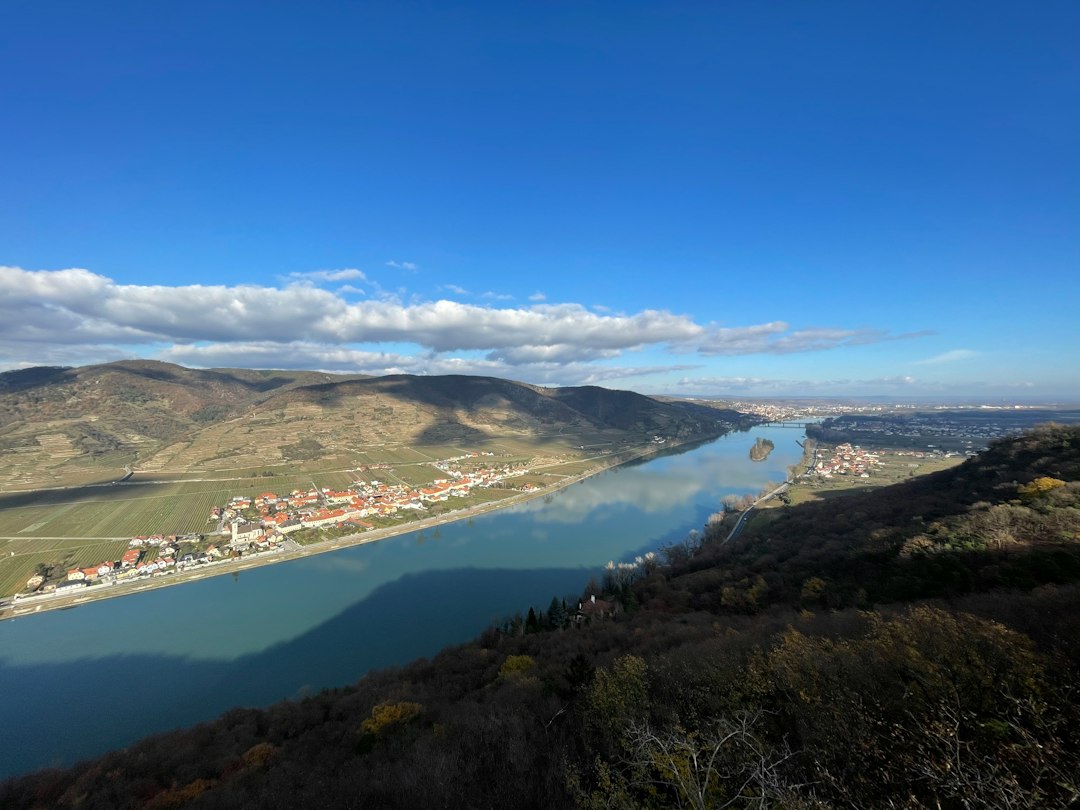
Vjetrenica is located in the municipality of Ravno, in the southern part of Herzegovina, in the region historically known as Popovo polje. The village can be reached by car from Mostar in about an hour and a half, or from Dubrovnik in Croatia in about an hour, making it an accessible destination for a day trip from the Dalmatian coast.
The cave is open to the public with guided tours, and the route typically takes about an hour to complete. It is essential to bring a sweater or a jacket even in the middle of summer: the temperature difference between the summer outside and the inside of the cave can exceed twenty degrees. Closed shoes with non-slip soles are recommended because some sections of the path have wet surfaces. Ticket prices are around affordable figures, typical of the natural attractions in the region, but it is always advisable to check the updated hours directly with the local management before departing, as seasonal openings may vary.
A heritage that deserves attention
Vjetrenica Cave is a candidate for recognition as a UNESCO natural heritage, a process that reflects the scientific and naturalistic importance of the site at an international level. The cave has been the subject of systematic speleological studies since the second half of the twentieth century, and continues to attract researchers from all over Europe interested in its unique fauna.
For the curious traveler who finds themselves in Herzegovina or on the Adriatic coast, Vjetrenica offers something hard to find elsewhere: not a spectacle built for tourism, but an ancient and fragile ecosystem that can be observed with respect. Exiting the cave and finding the sunlight has something disorienting about it, like emerging from a very long dream.