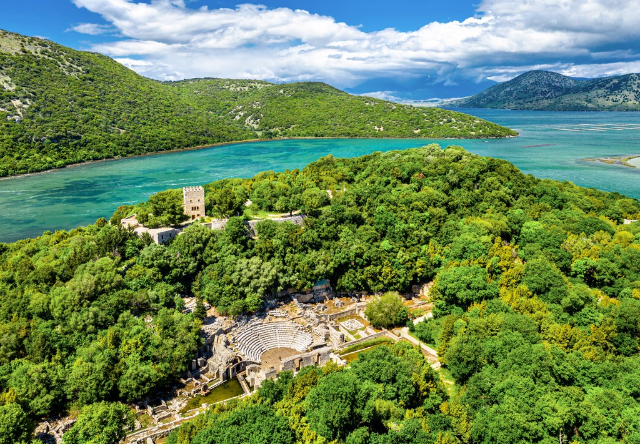

Butrint National Park in southern Albania is a rare marvel that seamlessly blends the ancient and the ecological, offering both a glimpse into civilizations long past and an intimate experience with nature's untamed beauty. Covering about 94 square kilometers, this UNESCO World Heritage site serves as both an archaeological haven and an ecological sanctuary.
The Archaeological Marvels
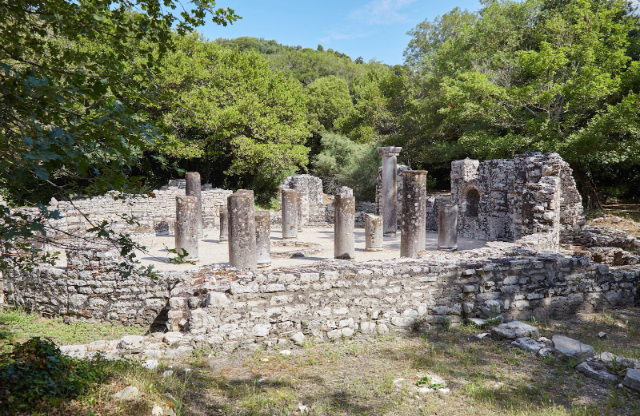
The park’s roster of archaeological sites is as diverse as it is impressive. From the Greek amphitheater of the 3rd century BC, which could seat around 2,500 spectators, to the Byzantine churches and Ottoman fortifications that bear witness to the area's changing demographics and ruling powers, Butrint is a living museum of human history. Near the amphitheater lies the sanctuary of Asclepius, the god of medicine, a place where people sought divine intervention for their ailments.

Living History Through Mosaics
The artistry of the mosaic floors found within ancient Roman villas offers a snapshot of daily life in Greco-Roman times. Whether illustrating mythological tales or mundane activities, these masterpieces add another layer of richness to the park’s historical offerings.
The Natural Sanctuary
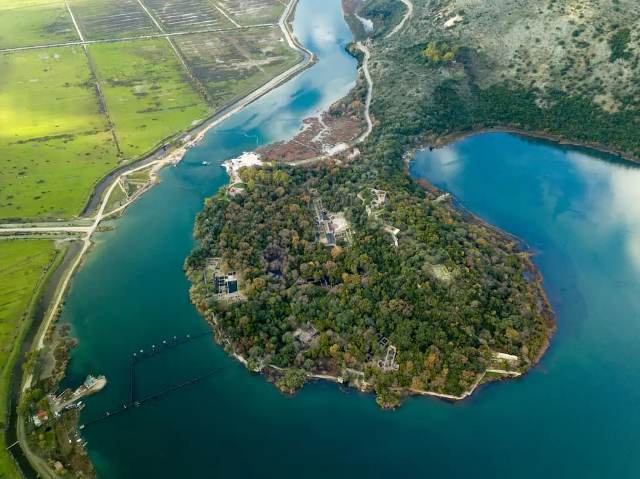
Butrint is equally esteemed for its natural attributes. It is a vibrant ecological microcosm featuring freshwater marshes, reed beds, Mediterranean forests and thickets, arable land, terraced orchards, and even beaches. The park is also home to several globally endangered species, making it an essential hub for biodiversity.
Bird-watching and More
Beyond its rich historical tapestry, Butrint is a sanctuary for bird-watchers and wildlife enthusiasts. Over 246 species of birds have been documented here, including the endangered Dalmatian pelican and the pygmy cormorant. Mammals like the Eurasian otter and the Balkan lynx also find refuge in the park’s diverse habitats.
Butrint Lake and Vivari Channel
The brackish Butrint Lake is connected to the Ionian Sea via the Vivari Channel, offering a unique aquatic environment that supports a myriad of fish species. The lake not only adds to the park’s scenic beauty but also contributes significantly to local fishing traditions, with its catch being a staple in local cuisine.
Cultural and Historical Milestones
The cultural impact of Butrint National Park is profound. The area, steeped in folklore and tradition, has been a melting pot for different civilizations for thousands of years. It was first designated a Cultural Monument in 1948, added to the UNESCO World Heritage List in 1992, and further distinguished as a Ramsar Site and National Park in 2003.
A Tale from the Aeneid
The layers of Butrint's history even reach into classical literature, as the city is mentioned in Virgil's "Aeneid." In this epic, Aeneas visits a city resembling his native Troy, governed by Priam's son Hellenus. This story, deeply entrenched in myth and history, lends an added dimension of cultural richness to Butrint.
Conclusion: A Symbiotic Relationship
Butrint National Park is a place where history and nature converse in silent but expressive language. As succinctly put by Italian archaeologist Luigi Maria Ugolini, who resurrected the site’s significance in the 1920s, the park is a place where "the symbiosis between nature and history is perfect." Whether you're captivated by its Greco-Roman past, enchanted by its natural beauty, or seeking solace in its tranquil landscapes, Butrint offers a panoramic experience that both educates and inspires. For those who tread its paths, Butrint remains an unparalleled nexus of history and ecology, an arresting testament to human civilization and natural splendor alike.