





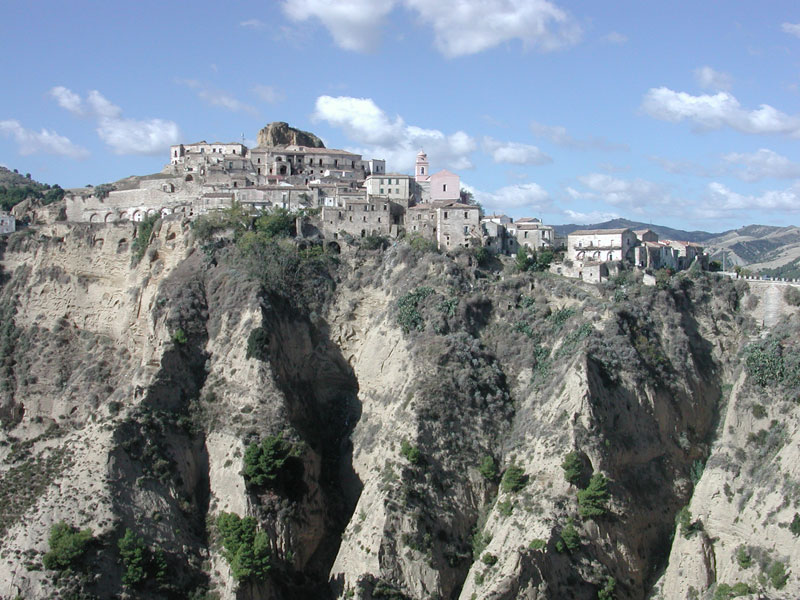
Its territory includes a hilly inland area, characterized by the presence of olive groves alternating with gully areas and forests, and a flat, fertile area towards the sea, where orange cultivation is highly developed.
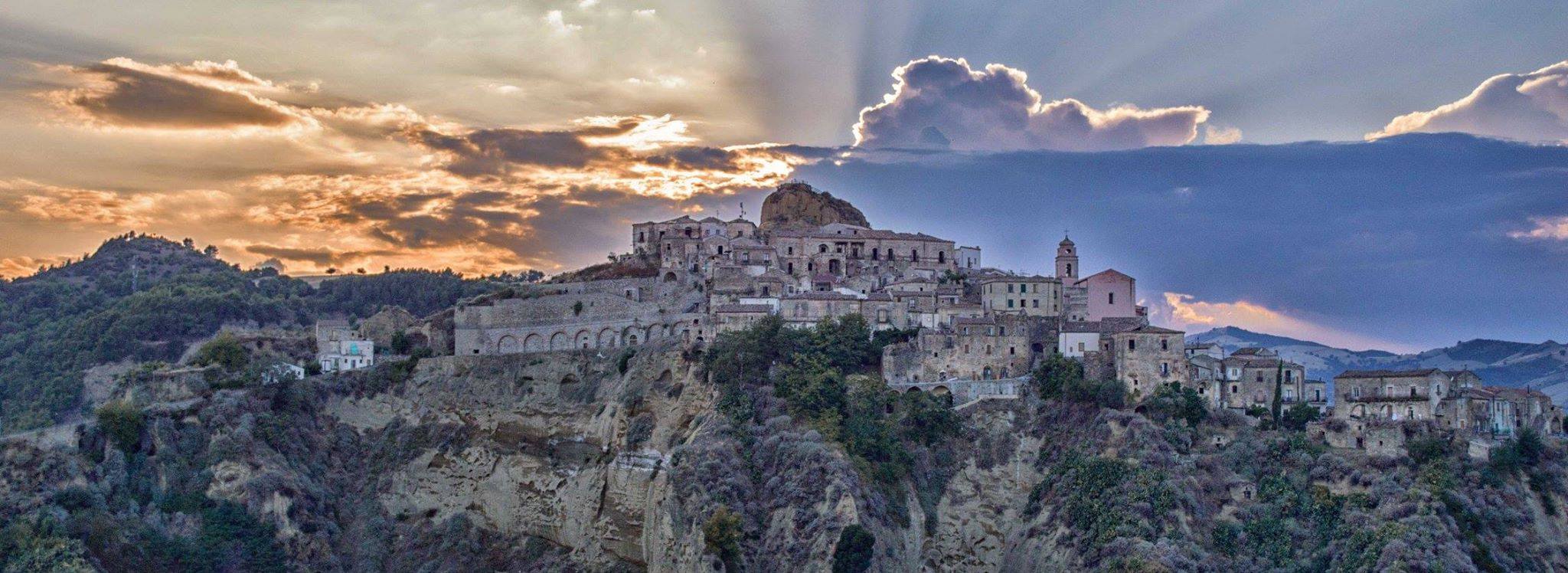
The name of the town is said to derive from Turcico, from the name of its probable founder, transformed into Tursikon and then Tursi, or from turris, with clear reference to the castle tower. The origin of Tursi is certainly very ancient. The most common opinion is that Tursi originated around a castle, built by the Goths around the fourth or fifth century by fugitives from nearby Anglona, which was destroyed by the same Goths. An agricultural village existed as early as Roman times, as is evidenced by the continued discovery of tombs and coins. The first settlement, which arose around the castle, with the arrival of the Arabs, who made it a stronghold to control the Ionian coast, took the name Rabatana.
Around the year 1000, Tursi already had the physiognomy of a populated and important city, both because of its strategic position and the fertility of its territory, so much so that the Byzantines pre-selected it as the seat of one of the three Themi into which they divided southern Italy: Thema di Longobardia with its capital Bari, Thema di Calabria with its capital Reggio Calabria and Thema di Lucania with its capital Tursikon (Tursi). Also from the 10th century is the establishment of its bishopric. Later under Normans, Swabians and Angevins, Tursi continued its population growth.
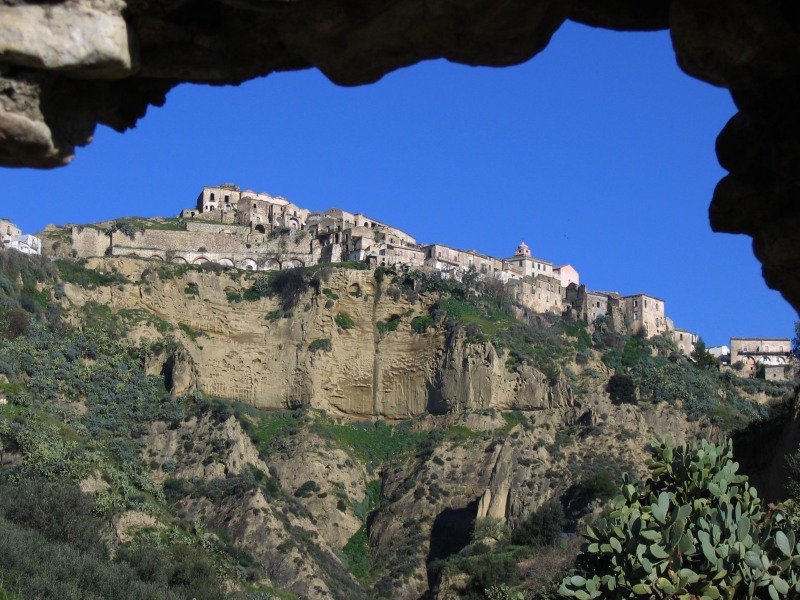
In the mid-1600s Tursi reached the peak of its growth: it had, in fact, 10,800 inhabitants and 40 doctors of law, and was the most populated town in Basilicata, with a flourishing commercial and agricultural activity. In 1594 the fiefdom of Tursi came to Carlo Doria, who, in honor of the city of which he was feudal lord, wanted his home in Genoa, now the seat of the Municipal Administration, to be called "Palazzo Tursi."
Tursi was also the capital of Basilicata in 1642 and in the following century one of the four subdivisions into which the region was divided. Towards the end of the 17th century a slow but unstoppable demographic decline began, mainly due to the plague that raged throughout the Kingdom of Naples and in Tursi alone caused some 3,000 deaths. The municipality of Tursi, according to Murattian statistics, was also one of the most affected by malaria, partly because of its proximity to the Metapontine plain.
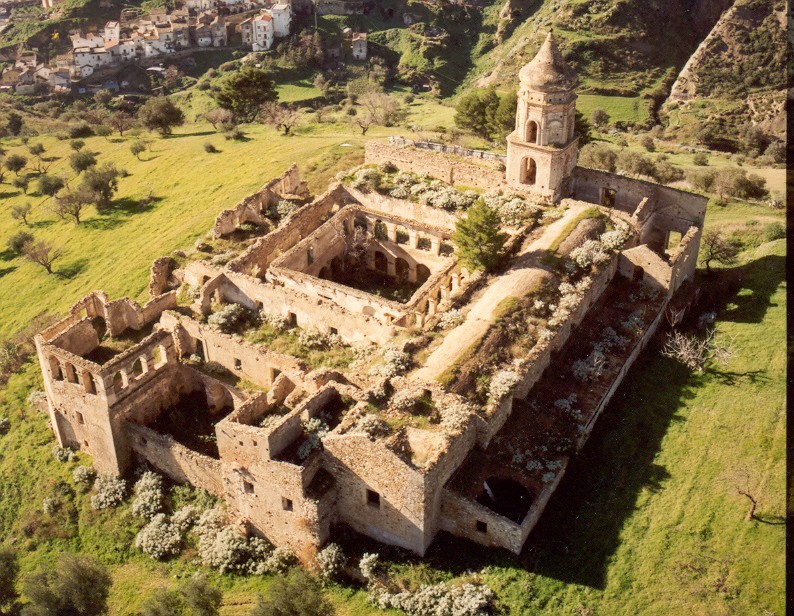
Toward the end of the 1700s and throughout the following century, cotton cultivation became important for the economy of this center, which also generated an albeit modest commercial activity.
Beginning in 1870 it experienced the massive phenomenon of emigration. From this date and until 1911 as many as 1,905 Tursitans left their land bound for the Americas. Another migratory exodus occurred after World War II.
Tursi was the birthplace of the poet Albino Pierro, who was born in Tursi in 1916 and died in Rome in 1995 and was nominated several times for the NOBEL prize for literature. His poems in Tursi dialect depict the primal Lucanian soul and have as their dominant theme the autobiographical world of childhood.