
← Back

Tulum Archaeological Zone

Tulum, Quintana Roo, Messico ★★★★☆ 360 views
Lara Kipling
Tulum
🏆 AI Trip Planner 2026

Get the free app

Discover the best of Tulum with Secret World — the AI trip planner with 1M+ destinations. Get personalized itineraries, hidden gems and local tips. Free on iOS & Android.

🧠 AI Itineraries 🎒 Trip Toolkit 🎮 KnowWhere Game 🎧 Audio Guides 📹 Videos
Scan to download iOS / Android
Scan for AppGallery Huawei users

About Tulum Archaeological Zone

Tulum Archaeological Zone - Tulum | Secret World Trip Planner

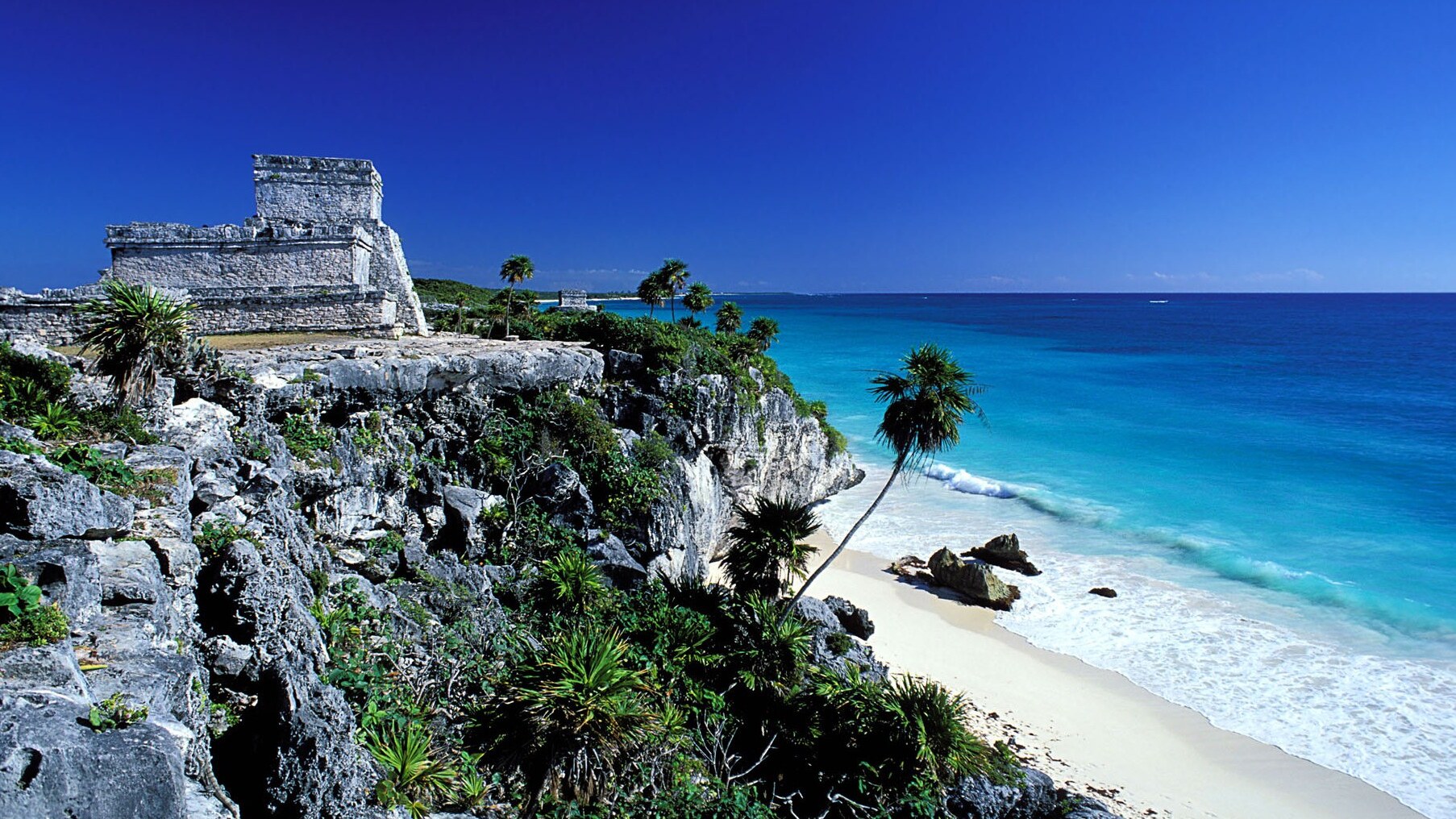
Tulum is the most emblematic site of the coast of Quintana Roo, due to its privileged location and the excellent conservation of its buildings and mural paintings. It is well known for its wall, which delimits the main complex on its north, south and west sides, since the eastern sector faces the Caribbean Sea; it has five entrances and two watchtowers.
Tulum Archaeological Zone - Tulum | Secret World Trip Planner

The site is presided over by El Castillo, the highest foundation of Tulum, which preserves a temple with three accesses ornamented with serpentine columns and two zoomorphic masks in the corners. In front of the Castillo is a platform for dances and to the southwest is the Temple of the Initial Series, where the earliest documented date in Tulum was found: 564 A.D.

To the north is the Temple of the Descending God, with a small foundation on which a building decorated with the image of that deity, the main iconographic element of the city, was built. In front of this complex is the main causeway, with several buildings; the most important is the Temple of the Frescoes, whose mural paintings portray a series of supernatural beings residing in the Underworld, which constitute one of the most important testimonies of pre-Hispanic Maya mural painting. Continuing along the causeway you can see the palaces known as the House of the Columns and the House of Halach Uinik.

Tulum Archaeological Zone - Tulum | Secret World Trip Planner

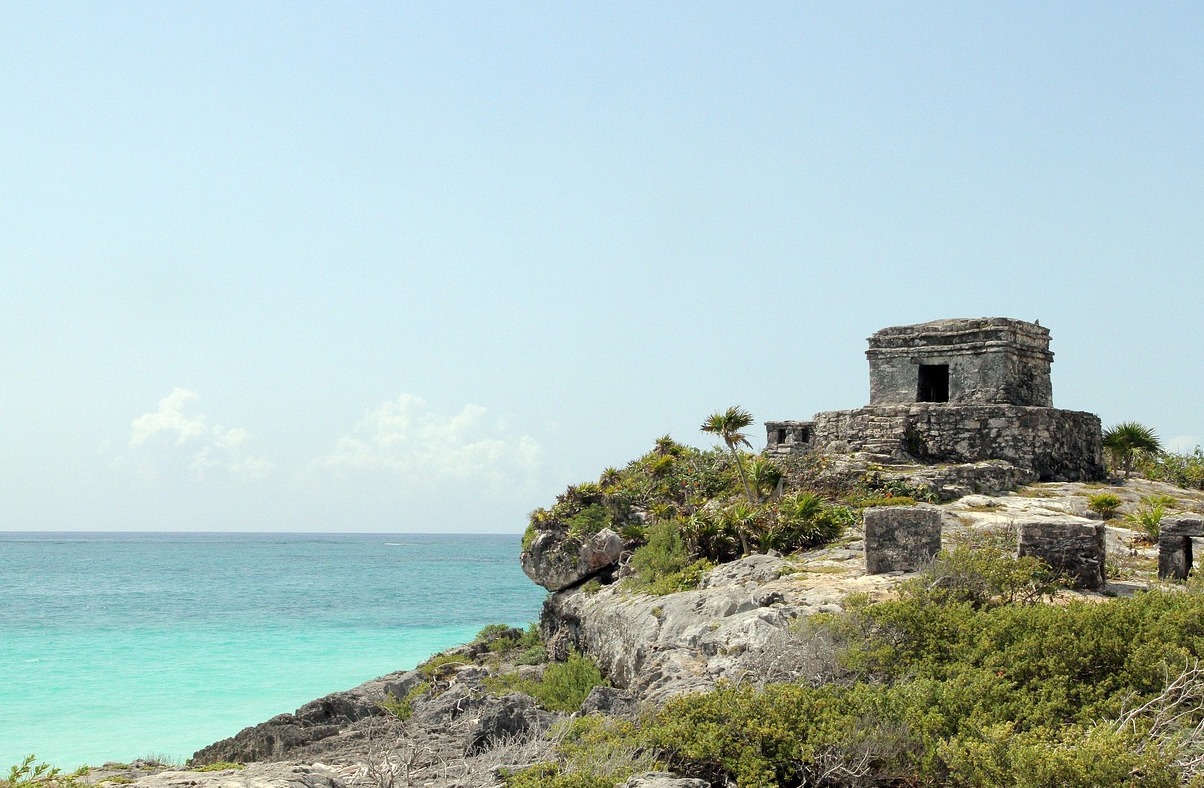
In the northeast access, the House of the Cenote, documents the importance given by the Mayas to the aquatic cult linked to the cenotes, and nearby is the Temple of the God of the Wind, named for its circular base, related to Kukulcan, god of the winds.


🗺 La app de los tesoros hispanos

Plan your visit to Tulum

Suggested itinerary near Tulum Archaeological Zone

MAJ+
500.000+ travelers worldwide
  1. 🌅
    Morning
    Tulum Archaeological Zone
    📍 Tulum
  2. ☀️
    Afternoon
    Tulum, a sleepy little beach town
    📍 0 km · Tulum
  3. 🌆
    Evening
    Cenote Esqueleto, also known as “Temple of Doom”
    📍 10.4 km · Tulum

Buy Unique Travel Experiences

Powered by Viator

See more on Viator.com

Explore nearby · Tulum

Frequently Asked Questions

The Temple of the Initial Series holds the earliest documented date in Tulum, with records dating back to 564 A.D. This structure is located to the southwest of El Castillo and represents one of the site's most historically significant buildings.
El Castillo is the highest foundation at Tulum and serves as the site's main landmark, featuring a temple with three entrances adorned with distinctive serpentine columns and two zoomorphic masks at the corners. Its elevated position makes it visible from the Caribbean Sea and dominates the archaeological complex.
The Temple of the Frescoes contains the most important mural paintings at Tulum, depicting supernatural beings from the Maya Underworld and representing some of the finest examples of pre-Hispanic Maya mural art. These well-preserved frescoes are located along the main causeway and are considered crucial testimonies of ancient Maya artistic achievement.
Tulum is surrounded by a distinctive wall that delimits the main complex on its north, south, and west sides, featuring five entrances and two watchtowers, while the eastern sector faces the Caribbean Sea. This wall is one of the site's most emblematic features and demonstrates the strategic importance of the coastal settlement.
The House of the Cenote, located at the northeast access, documents the importance the Maya placed on aquatic worship and cenotes, while the nearby Temple of the God of the Wind features a distinctive circular base honoring Kukulcan, the wind deity. These temples reveal how deeply the Maya integrated their natural environment and celestial observations into their spiritual and architectural practices.