





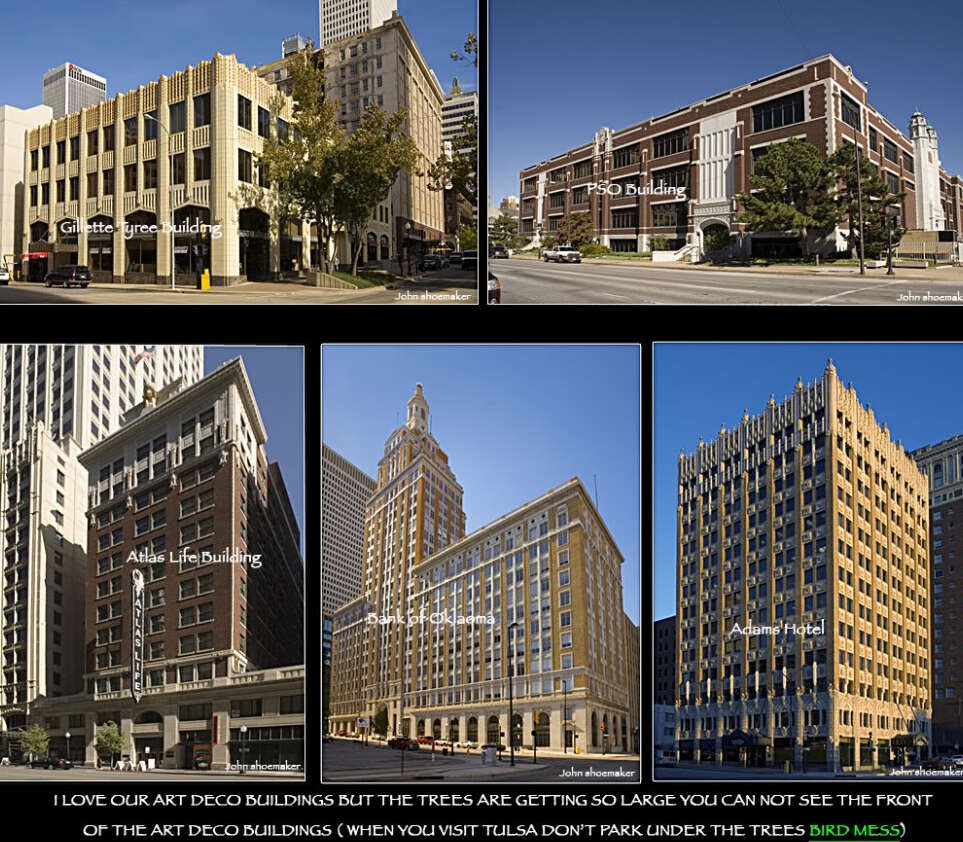
In the heart of Oklahoma, the city of Tulsa stands as a testament to the opulence and creativity of the Art Deco movement. This architectural style, characterized by its bold geometric shapes and lavish ornamentation, flourished in the early 20th century and found a thriving home in Tulsa. As you stroll through the Downtown Art Deco District, you are transported back to the roaring twenties, a time when the city was a hub of wealth driven by the booming oil industry.
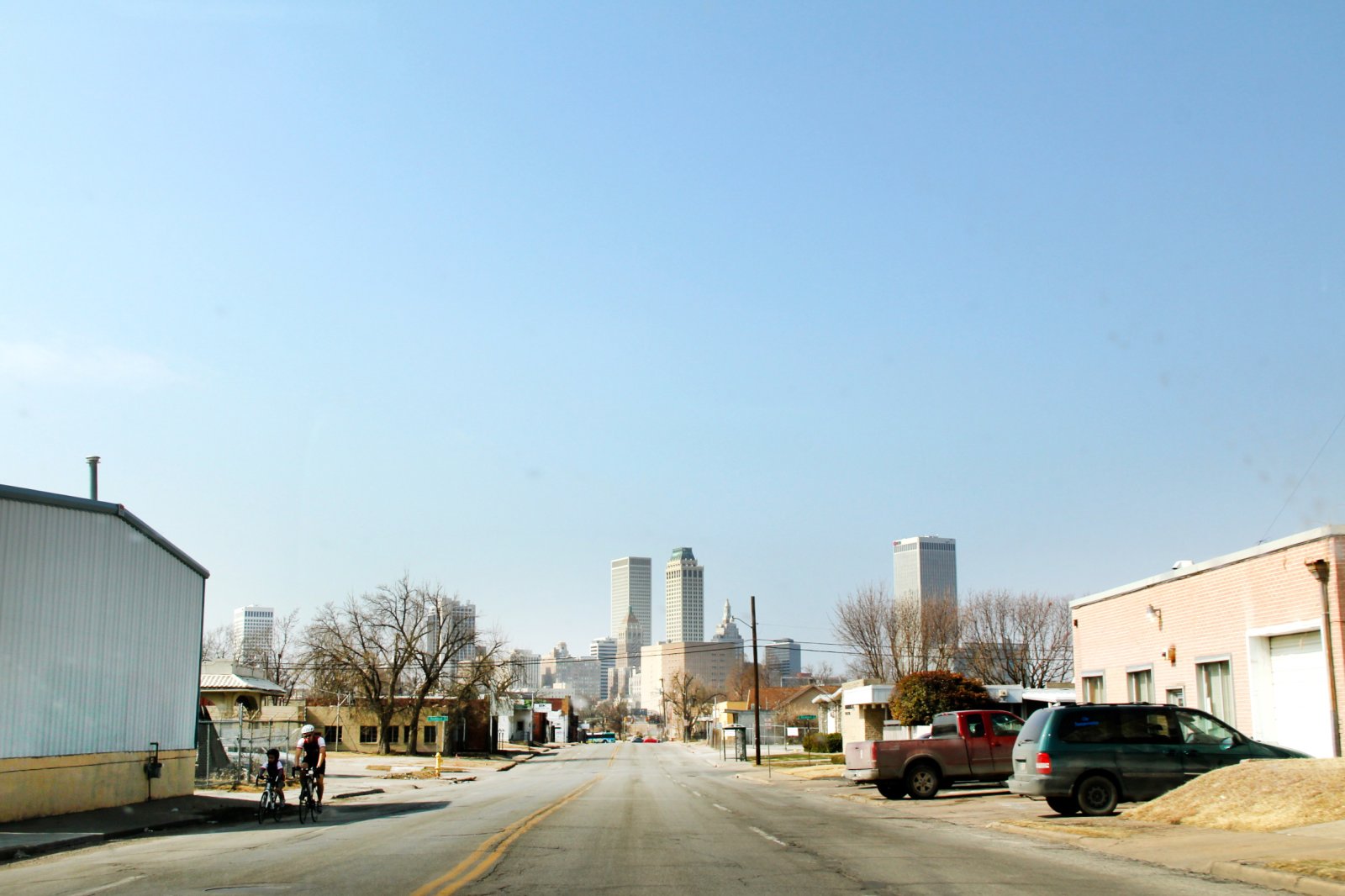
Tulsa's history is one of transformation and resilience. Established in 1836 as a small trading post, it evolved dramatically after the discovery of oil in the early 20th century. The Oklahoma oil boom in the 1920s brought an influx of prosperity, attracting magnates who invested heavily in the city's infrastructure and architecture. By the end of the decade, Tulsa had earned the nickname "Oil Capital of the World." This wealth manifested in the construction of stunning Art Deco structures, with only New York and Miami boasting more of these iconic buildings.
Among the jewels of Tulsa's Art Deco collection is the Philtower Building, completed in 1927. Once the tallest building in Oklahoma, it boasts an eye-catching roof adorned with red and green tiles. The building's interior is equally impressive, featuring brass elevator doors and soaring ceilings that reach 7.5 meters high. An underground gallery links it to the Philcade Building (1930), whose distinctive zigzag façade conceals intricate carvings of birds and reptiles, showcasing the creativity of its designers.
As the Great Depression took hold, the architectural style in Tulsa began to shift, moving from the exuberant zigzag motifs to more streamlined and rounded forms. The Tulsa Union Depot, built in 1931, exemplifies this transition. Once a bustling transportation hub, it has since been repurposed into a complex of offices, yet it retains its striking architectural features, making it a must-see for visitors.
The beauty of Art Deco in Tulsa is not just limited to its buildings; it is woven into the fabric of local culture and traditions. The city celebrates its artistic heritage through various events and festivals. One notable event is the Tulsa Art Deco Museum, which offers a comprehensive overview of the city's architectural history, featuring artifacts and exhibits that delve into the significance of the Art Deco movement. Additionally, the Tulsa Route 66 Festival showcases the city’s connection to the historic highway, further entwining local culture with its architectural treasures.
When it comes to gastronomy, Tulsa offers a delightful fusion of traditional Southern and contemporary cuisine. The culinary scene is rich with options like barbecue, a staple in the region, and chicken-fried steak, a dish that embodies the local comfort food culture. Don't miss out on trying a Fried Onion Burger, a local specialty that originated in the 1920s, which features a juicy beef patty topped with crispy fried onions and served on a toasted bun. Pair your meal with a glass of sarsaparilla, a classic soda that echoes the city’s Western heritage.
Beyond the obvious attractions, Tulsa harbors many lesser-known curiosities that often go unnoticed by tourists. For instance, the Atlas Life Building (1929) is adorned with a striking mural depicting the mythological figure Atlas holding up the world, symbolizing the city’s strength during difficult times. If you wander through the streets, keep an eye out for the art deco-inspired fire hydrants that add a playful touch to the urban landscape, reflecting the city’s commitment to preserving its artistic heritage.
The best time to visit Tulsa is during the spring or fall, when the weather is mild and conducive to exploring the city’s outdoor attractions. Consider taking a guided walking tour of the Art Deco District to gain deeper insights into the architectural styles and histories of the buildings. Be sure to look for the unique details that define each structure, from intricate carvings to stunning mosaics, as you soak in the rich history.
In conclusion, Tulsa is a hidden gem that beautifully showcases the elegance of the Art Deco era while celebrating its vibrant local culture and cuisine. As you explore this remarkable city, you’ll find that every corner holds a story waiting to be uncovered.
To plan your personalized itinerary for exploring Tulsa's Art Deco treasures, consider using the Secret World app for an enriching experience.