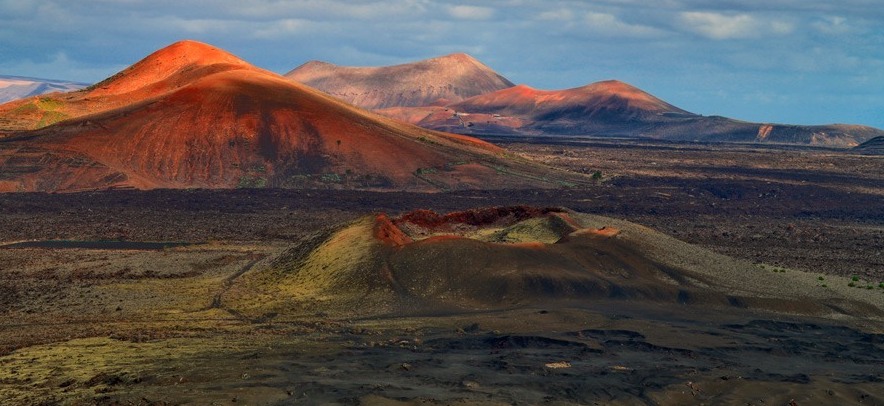

A visit to Timanfaya National Park is a must for every traveler to Lanzarote. This spectacular volcanic landscape, which covers a quarter of the island, was birthed from nature’s fury during six years of near-continuous volcanic eruptions that took place between 1730 and 1736, with a smaller yet significant episode in 1824. The sheer scale of the eruptions was nothing short of monumental, as an estimated 2,000,000,000m³ of lava was expelled from over a hundred volcanoes, transforming fertile land and swallowing entire villages, while also reclaiming new territory from the sea. Despite the passage of nearly three centuries, the island’s dry climate has preserved the volcanic terrain, allowing visitors to step onto a landscape that feels eerily timeless and alien.
### History and Origins The history of Lanzarote is steeped in the rich tapestry of its volcanic activity. Long before the eruptions reshaped the island, it was inhabited by the Guanches, the indigenous Berber people, who arrived around 1000 BC. Their presence, though overshadowed by the dramatic geological changes, laid the foundation for Lanzarote’s unique cultural identity. The island was later conquered by the Castilian crown in 1402, led by Jean de Béthencourt, marking the beginning of Spanish influence. The volcanic eruptions dramatically altered the island’s landscape, but they also led to the creation of a new soil rich in minerals, giving rise to a distinctive agricultural system that persists today.
### Art and Architecture Despite its rugged terrain, Timanfaya National Park is a canvas for creativity. The architectural style that best reflects the spirit of Lanzarote is the work of César Manrique, a local artist and architect whose vision harmonized the natural landscape with human habitation. His influence is palpable throughout the island, especially in the Jameos del Agua and Mirador del Río. Manrique’s philosophy emphasized preservation and integration, making his work a significant part of Lanzarote’s artistic heritage. The stark contrast of white structures against the black volcanic rock is not just visually striking; it symbolizes a marriage between nature and art that resonates deeply with visitors.
### Local Culture and Traditions Lanzarote’s culture is a vibrant blend of its indigenous roots and Spanish influences. The island boasts unique traditions, such as the Fiesta de San Juan, celebrated every June with bonfires and festivities that honor the summer solstice. The Carnaval de Lanzarote is another highlight, where colorful parades and lively music fill the streets, showcasing the islanders' spirited nature. These festivals are not just events; they are a celebration of community, resilience, and the island's identity, inviting visitors to partake in the joy and enthusiasm of local life.
### Gastronomy Food is an integral part of Lanzarote’s culture, influenced by its volcanic soil and coastal location. One must-try dish is papas arrugadas, small, wrinkled potatoes boiled in salt and served with mojo sauce—either green or red, depending on your spice preference. Seafood is abundant, with dishes like sancocho, a traditional fish stew, reflecting the island’s maritime heritage. Pairing your meal with a glass of Malvasía wine, a local specialty, completes the culinary experience. The volcanic soil lends a unique flavor to the island's wines, making them a delightful complement to the region's gastronomic offerings.
### Lesser-known Curiosities While many visitors flock to the park for its stunning views, there are hidden stories that add depth to the experience. One intriguing fact is that the Timanfaya volcanoes are still considered active, with geothermal heat detectable just below the surface. In some areas, the heat is harnessed for cooking—at the El Diablo restaurant, meat is grilled over geothermal heat in a truly unique culinary experience. Moreover, the park is home to unique flora and fauna, including the rare Euphorbia plant that has adapted to the harsh volcanic environment. It’s a testament to nature’s resilience and adaptability, often overlooked by those focused solely on the landscape’s grandeur.
### Practical Visitor Information The best time to visit Timanfaya National Park is during the spring (March to May) and fall (September to November) when the weather is mild, and crowds are thinner. Early morning or late afternoon visits afford the most dramatic lighting for photography. Be sure to take the guided tours available, as they provide valuable insights into the park’s geology and ecology that enhance your experience. Remember to wear sturdy shoes and bring water, as the terrain can be rugged and the sun unforgiving. Keep your eyes peeled for the park's striking features, including the Islote de Hilario, where the geothermal demonstrations occur.
In conclusion, Timanfaya National Park offers a unique journey through the heart of Lanzarote’s volcanic past, art, culture, and cuisine. To truly immerse yourself in the wonders of this extraordinary landscape, consider using the Secret World app to craft a personalized itinerary that showcases the best of Daimiel.