
← Back

The Wazir Khan Mosque

Shahi Guzargah، Dabbi Bazar, Chota Mufti Baqar Walled City of Lahore, Lahore, Punjab 54000, Pakistan ★★★★☆ 444 views
Marika Shaw
Lahore
🏆 AI Trip Planner 2026

Get the free app

Discover the best of Lahore with Secret World — the AI trip planner with 1M+ destinations. Get personalized itineraries, hidden gems and local tips. Free on iOS & Android.

🧠 AI Itineraries 🎒 Trip Toolkit 🎮 KnowWhere Game 🎧 Audio Guides 📹 Videos
Scan to download iOS / Android
Scan for AppGallery Huawei users

About The Wazir Khan Mosque

The Wazir Khan Mosque - Lahore | Secret World Trip Planner

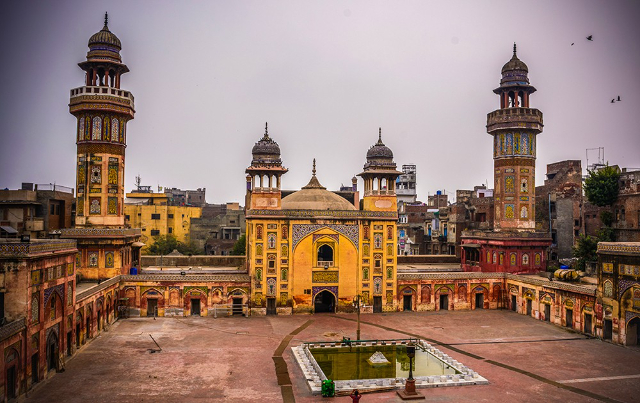
The Wazir Khan Mosque, located in Lahore, Punjab, Pakistan, is a quintessential example of Mughal-era architecture and artistry, commissioned by the Mughal Emperor Shah Jahan in the 17th century. Known for its breathtaking beauty and intricate details, this mosque stands as a significant monument not just in Pakistani heritage but in the broader context of Islamic architecture.
The Wazir Khan Mosque - Lahore | Secret World Trip Planner

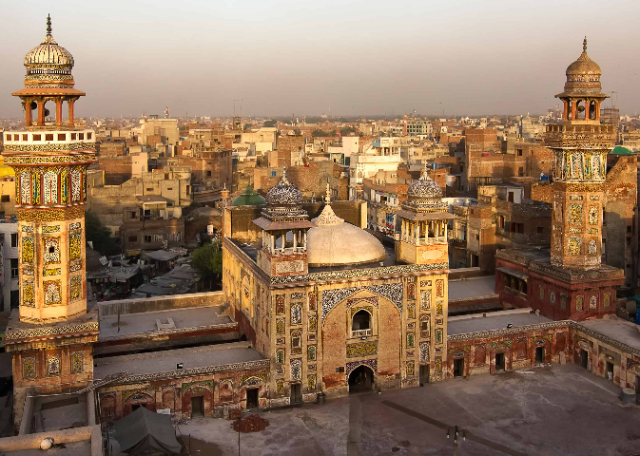
The mosque's construction started in 1634 C.E. and was completed in 1641, during a period when Mughal architectural innovation was at its peak. It forms part of a larger complex that included the Shahi Hammam baths, underscoring its role not only as a place of worship but also as a social and cultural epicenter within the city.

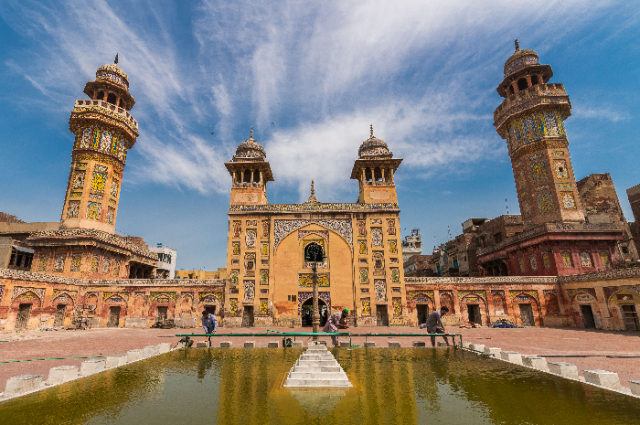
Wazir Khan Mosque is celebrated for its magnificent faience tile work, known as 'kashi-kari,' which adorns its exterior and interior walls. This tile work features a vivid palette of colors and intricate geometric and floral motifs that captivate onlookers. Additionally, the mosque's interior is a visual spectacle, nearly entirely covered with elaborate frescoes that illustrate stories and patterns reflective of Mughal aesthetics and spiritual symbolism.
The Wazir Khan Mosque - Lahore | Secret World Trip Planner

The mosque is particularly noted for its use of calligraphy and embellishment with verses of the Quran, adding a profound spiritual dimension to its artistry. The detailed craftsmanship of the mosque extends to its minarets and domes, which are elaborately decorated and contribute to the skyline of Lahore.

Now on the UNESCO World Heritage Tentative List, Wazir Khan Mosque is not only a testament to the sophisticated architectural practices of the Mughal era but also a continuing place of worship and a tourist destination that attracts visitors globally. It is often considered the most ornately decorated Mughal-era mosque, showcasing the rich cultural heritage and artistic legacy of its time.


🗺 La app de los tesoros hispanos

Plan your visit to Lahore

Suggested itinerary near The Wazir Khan Mosque

MAJ+
500.000+ travelers worldwide
  1. 🌅
    Morning
    The Wazir Khan Mosque
    📍 Lahore
  2. ☀️
    Afternoon
    Mosque of Wazir Khan
    📍 0 km · Lahore
  3. 🌆
    Evening
    Royal Baths
    📍 0.3 km · Lahore

Buy Unique Travel Experiences

Powered by Viator

See more on Viator.com

Explore nearby · Lahore

Frequently Asked Questions

The Wazir Khan Mosque was commissioned by Mughal Emperor Shah Jahan, with construction beginning in 1634 C.E. and completing in 1641. This was during the peak period of Mughal architectural innovation in the 17th century.
The mosque is celebrated for its magnificent faience tile work known as 'kashi-kari,' featuring a vivid palette of colors with intricate geometric and floral motifs adorning both exterior and interior walls. This tile work is considered one of the most ornate examples of Mughal-era decoration.
Yes, the Wazir Khan Mosque remains an active place of worship while also serving as a significant tourist destination attracting visitors from around the world. It is currently on the UNESCO World Heritage Tentative List, recognizing its cultural and architectural importance.
The mosque's interior is nearly entirely covered with elaborate frescoes illustrating stories and patterns reflective of Mughal aesthetics, and features detailed Quranic calligraphy throughout. The minarets and domes are also elaborately decorated and contribute significantly to the mosque's overall visual splendor.
Yes, the mosque formed part of a larger complex that included the Shahi Hammam baths, establishing it as both a spiritual and social cultural epicenter within Lahore. This multi-functional design reflects its important role in the city's 17th-century Muslim community.