




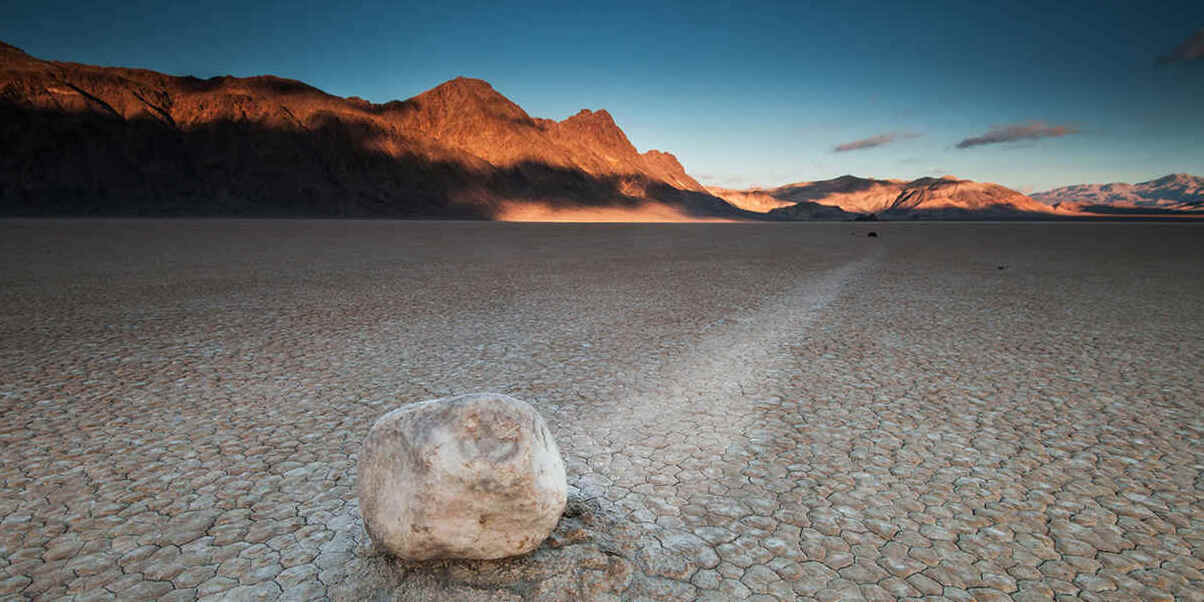
In the heart of Death Valley National Park, a landscape of stark beauty unfolds, marked by the enigmatic Racetrack Playa. Here, amidst the parched expanse of hardened mud, a remarkable and unexplained phenomenon awaits—the walking stones. These seemingly ordinary rocks glide across the playa's surface, leaving behind trails that baffle scientists and mesmerize visitors. Can a dusty lake bed in one of the hottest places on Earth draw thousands each year? Indeed, it does, as the allure of mystery captivates the imagination.
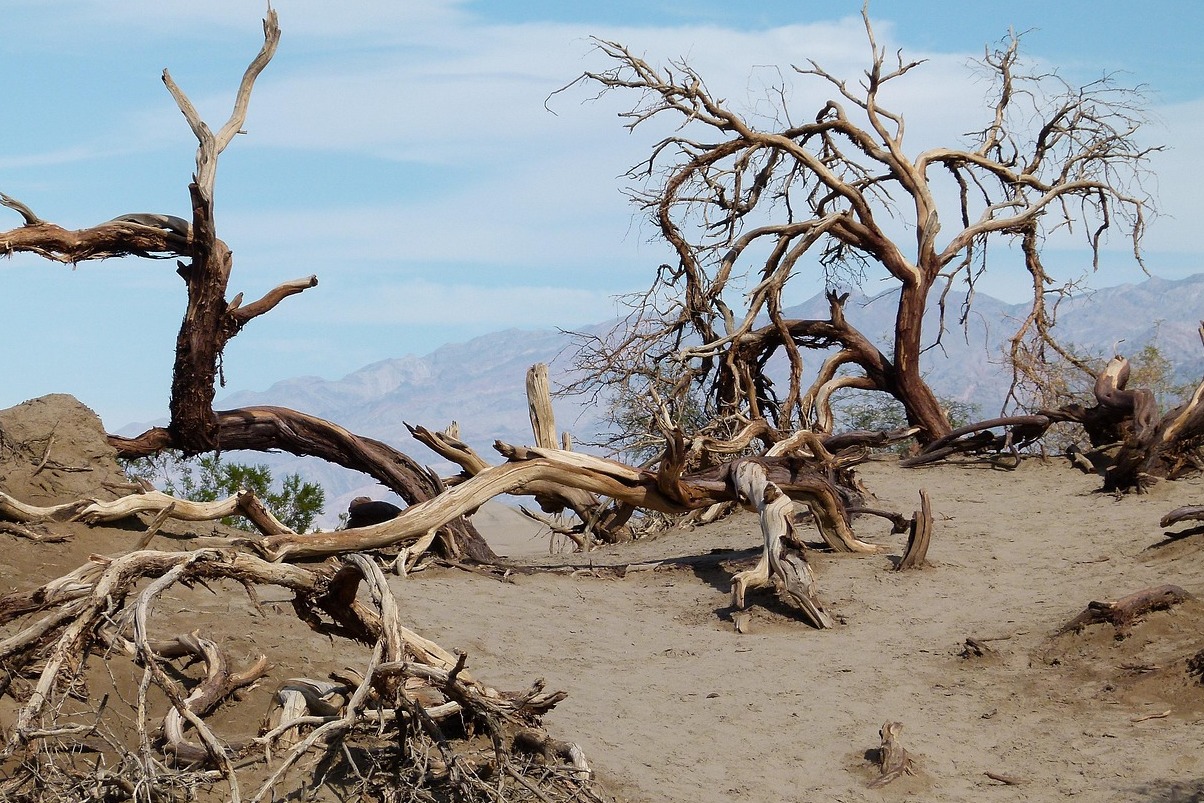
The origins of Racetrack Playa date back to the last Ice Age, approximately 12,000 years ago, when this area was a vibrant lake fed by snowmelt. Over millennia, geological changes transformed the lush habitat into the dry, cracked surface we see today. The phenomenon of the moving rocks was first documented in the early 20th century, with scientists and explorers alike left puzzled by the trails etched into the earth. The mystery deepened as theories emerged, ranging from ice sheets to magnetic forces. It wasn't until 2014 that researchers finally observed the rocks in motion, revealing that a unique combination of weather conditions allows the stones to slide across the playa when thin sheets of ice form overnight.
While the scientific intrigue is palpable, Racetrack Playa also boasts a striking natural beauty that captivates artists and photographers. The stark contrast of the dark rocks against the light, cracked earth creates a visual spectacle, drawing in those eager to capture the essence of the desert. The absence of human architecture in this isolated area enhances its raw artistic appeal. Visitors can appreciate the sheer scale of the surroundings, where the Panamint Mountains rise dramatically in the distance, framed by an unending sky.
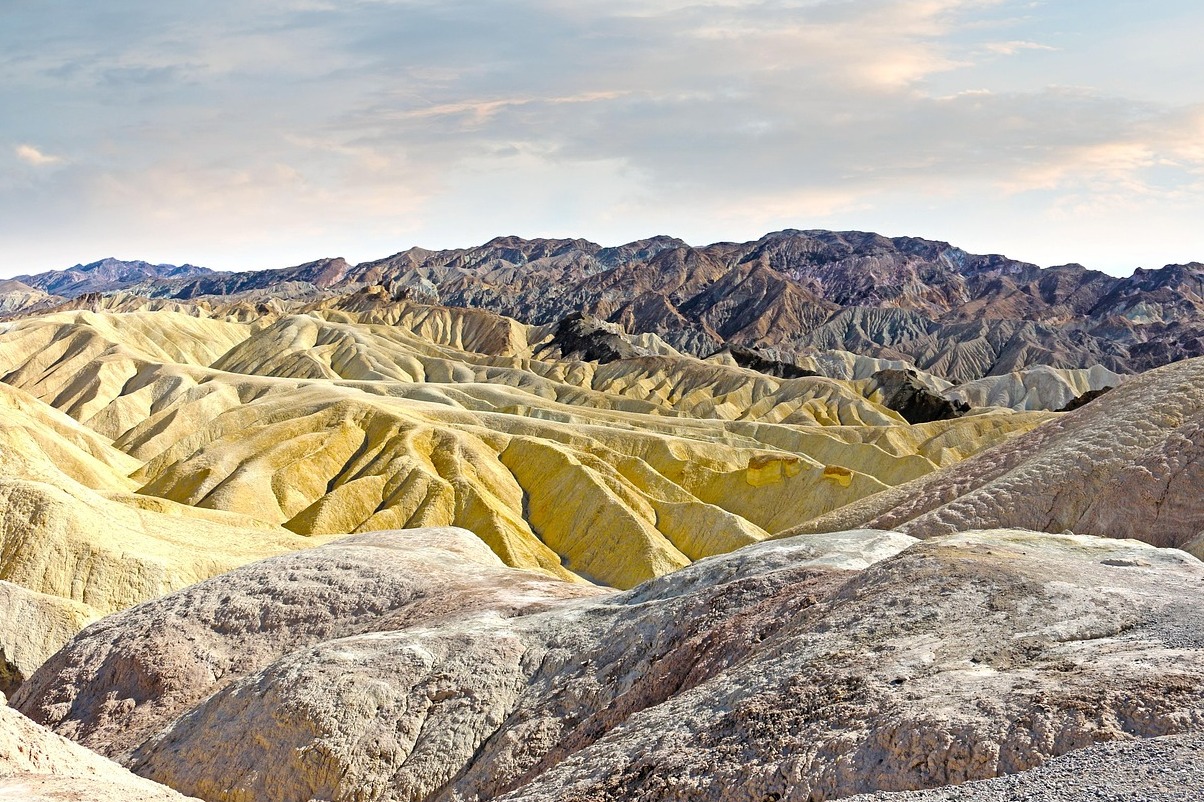
Local culture surrounding Death Valley is intricately tied to the land's harsh conditions. The area was historically inhabited by the Timbisha Shoshone, a Native American tribe who have lived in the region for thousands of years. Their rich cultural heritage is woven into the fabric of the valley, with stories passed down through generations about the land and its resources. While there are no major festivals specifically celebrating the rocks, the Timbisha Shoshone hold events that honor their connection to the land, often involving traditional music, dance, and art that reflect their deep-rooted history.
When it comes to gastronomy, a visit to Death Valley isn't complete without indulging in some local flavors. Although there are no eateries directly on the Racetrack Playa, nearby towns like Beatty and Furnace Creek offer a taste of the region's culinary offerings. Be sure to try the Death Valley's famous "date shakes," a sweet and refreshing treat made from the dates grown in the valley’s oases. The rich, creamy shakes are a popular choice among visitors, providing a delightful contrast to the parched desert landscape.
For those seeking lesser-known curiosities, the Racetrack Playa has more surprises than just the moving stones. The area is also home to the Devil's Hole, a geothermal spring that boasts a unique fish species, the Devil's Hole pupfish, considered one of the rarest fish in the world. Moreover, the playa itself is an ancient site; the unique geological features here have been shaped by centuries of volcanic activity, leaving behind a rich tapestry of history that often goes overlooked.
When planning your visit, the best time to explore Racetrack Playa is during the cooler months from October to April. Temperatures can soar in the summer, making it inhospitable for outdoor activities. It’s advisable to visit during the early morning or late afternoon for the most stunning light conditions, perfect for photography. Be prepared for a rugged journey—accessing the playa requires a high-clearance vehicle due to rough dirt roads. Keep an eye out for the Famous Racetrack Playa's Racetrack, where you can witness the unique patterns left by the rocks.
As you venture into this extraordinary landscape, take time to absorb the silence and the vastness surrounding you. The Racetrack Playa is not just a destination; it’s an experience that stirs the soul and sparks curiosity. To make the most of your journey, consider using the Secret World app to craft a personalized itinerary tailored to your interests.