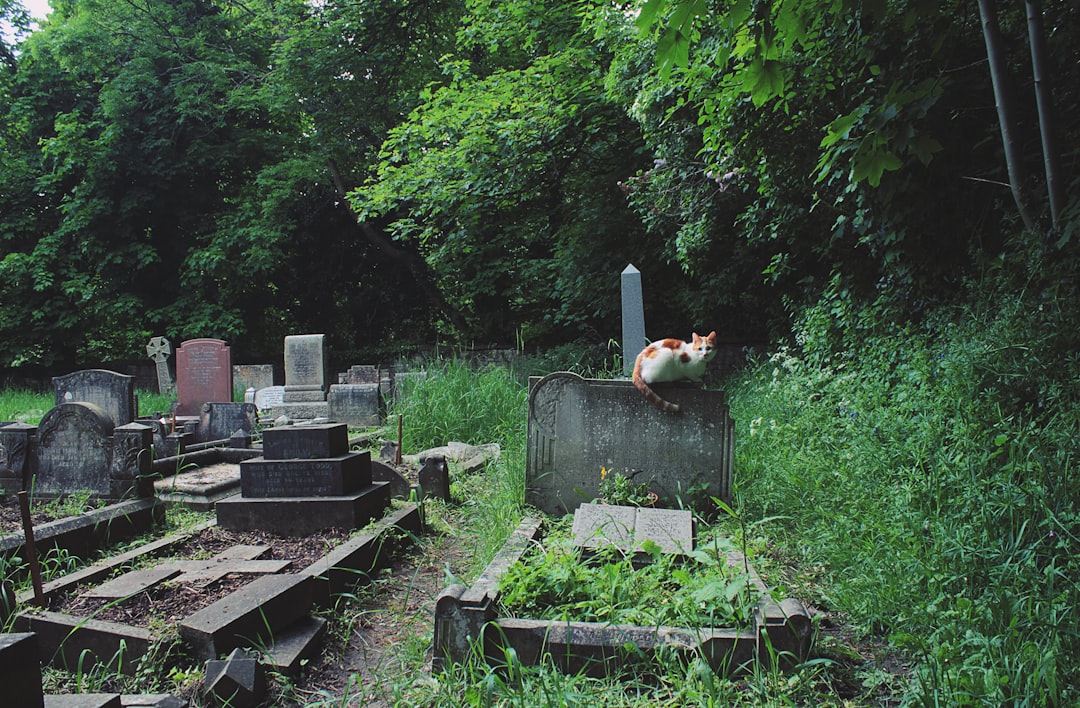

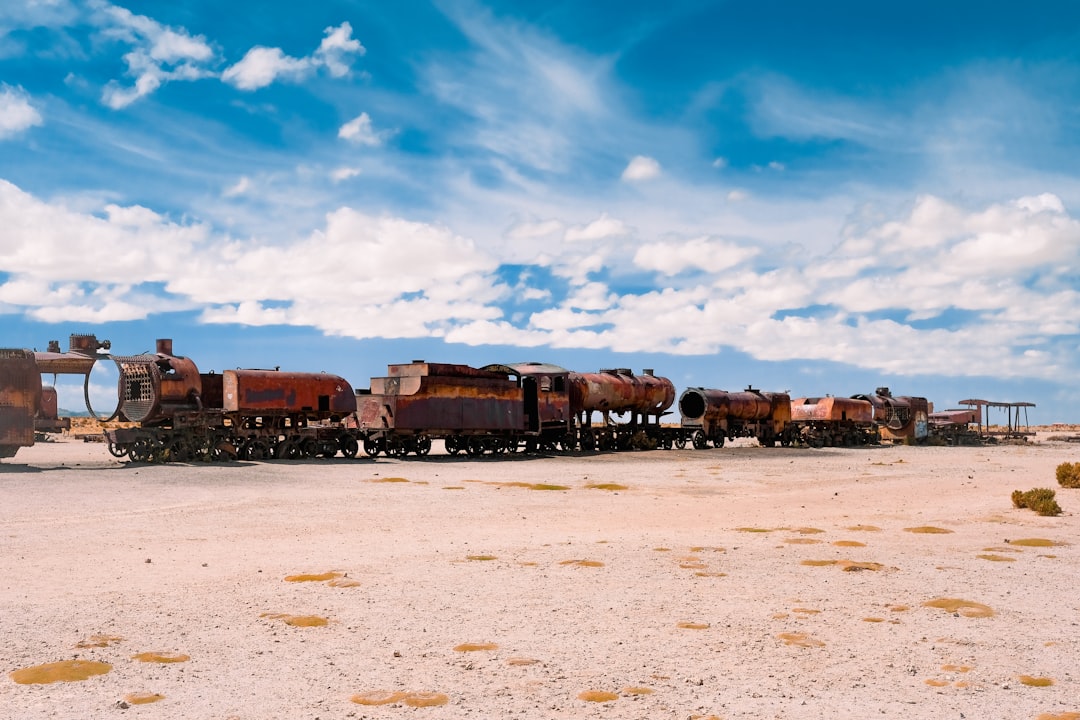
Rusty locomotives emerge from the plain like sleeping giants, their gutted carriages open to the cold wind of the Bolivian highlands. A few kilometers from the city of Uyuni, at about 3,650 meters above sea level, the so-called Cemetery of Trains is a collection of abandoned steam engines dating back to the late 1800s, built in Great Britain and imported to Bolivia to transport minerals extracted from the Andean mountains to the Pacific.

The history of this place is inseparable from the rise and fall of the Bolivian mining industry. Between the late 19th and early 20th centuries, Bolivia massively invested in a railway network that was supposed to connect the silver and tin mines inland to the Chilean ports. When the mining industry went into crisis during the 20th century, the trains lost their reason for being and were simply left where they stood, exposed to the sun, salt, and wind of the highlands.
An open-air museum without gates or guardians
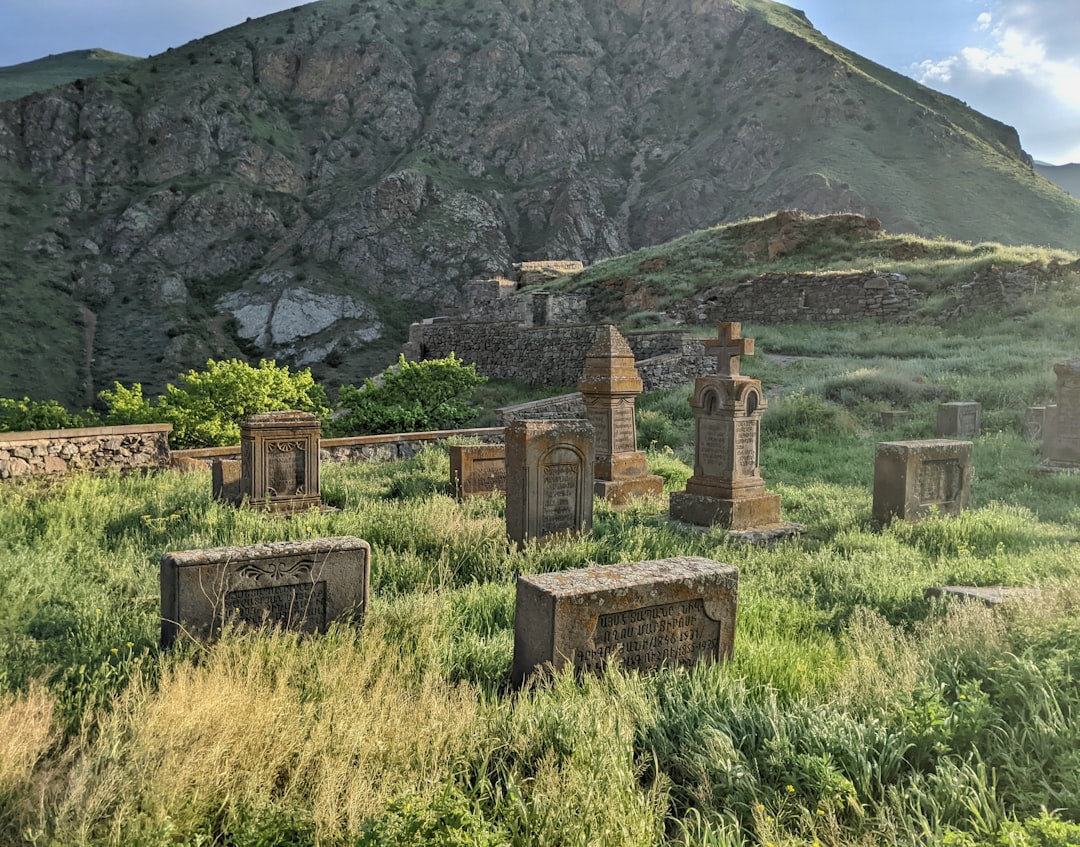
What immediately strikes is the total absence of fences or museum structures. Visitors walk freely among the metal carcasses, can climb onto the platforms, stick their heads into the empty windows, touch the gear wheels and the pistons that are still partially intact. There is no official entrance ticket to access the site — it is an open area, accessible to anyone who reaches the zone on foot or by vehicle.
The locomotives present are mainly steam models of British production, with some units dating back to the last decades of the nineteenth century. Observing closely the metal sides, one notices plates and writings in English that are still partially legible, direct testimony of their origin. Corrosion has transformed the metal into layers of orange and brown rust that crumble at the touch, while the salt of the high plateau has accelerated the decomposition process, creating visually extraordinary textures.
The landscape as a frame: salt, sky, and silence
The Train Cemetery is located about three kilometers from the center of Uyuni, on the edge of the Salar de Uyuni, the largest salt flat in the world with its over 10,000 square kilometers. This geographical context amplifies the visual effect of the site: the locomotives stand out against a flat and almost surreal horizon, where the white of the salt meets the deep blue of the Andean sky.

At dawn and dusk, the slanting light enhances the textures of rust and casts long shadows that transform the machines into abstract sculptures. Photographers who visit the site during the central hours of the day instead find harsh and flat light, less favorable for rendering the metallic surfaces. The constant wind of the altiplano carries dust and grains of salt that, over time, are literally consuming the materials.
Graffiti, interventions, and the issue of conservation

Over the years, locomotives have become a sort of canvas for improvised artists and passing tourists. The sides of many cars are covered with graffiti and writings that overlap with layers of rust, creating an involuntary palimpsest of human signs. This aspect divides visitors: some consider graffiti an additional cultural layering of the site, while others perceive it as a form of degradation.
There is no active formal conservation plan for the site, at least not of significant scope. Bolivian authorities and local guides have been discussing for years the need to protect the more intact locomotives, but the lack of structural funding has left the cemetery in its state of controlled abandonment. Paradoxically, it is this abandonment that makes it authentic.
How to visit the Train Cemetery
Uyuni can be reached by bus from Potosí in about five hours, or by train from Oruro with the railway line that still connects the two cities today. The Train Cemetery is about three kilometers from the central station of Uyuni and can be easily reached on foot in less than half an hour, or by taxi or mototaxi in a few minutes. Most organized tours for the Salar de Uyuni include a stop at the cemetery as the first stop of the day.
The best time to visit is early in the morning, preferably before nine, when the light is soft and groups of tourists have not yet invaded the site. Wearing closed shoes is essential: the ground is uneven, full of metal debris and scrap pieces. The altitude of nearly 3,700 meters can cause altitude sickness in unacclimatized visitors, so it is advisable to arrive in Uyuni at least one day earlier and to move slowly in the first hours. A complete visit takes between 45 minutes and two hours, depending on the time spent on photography.