





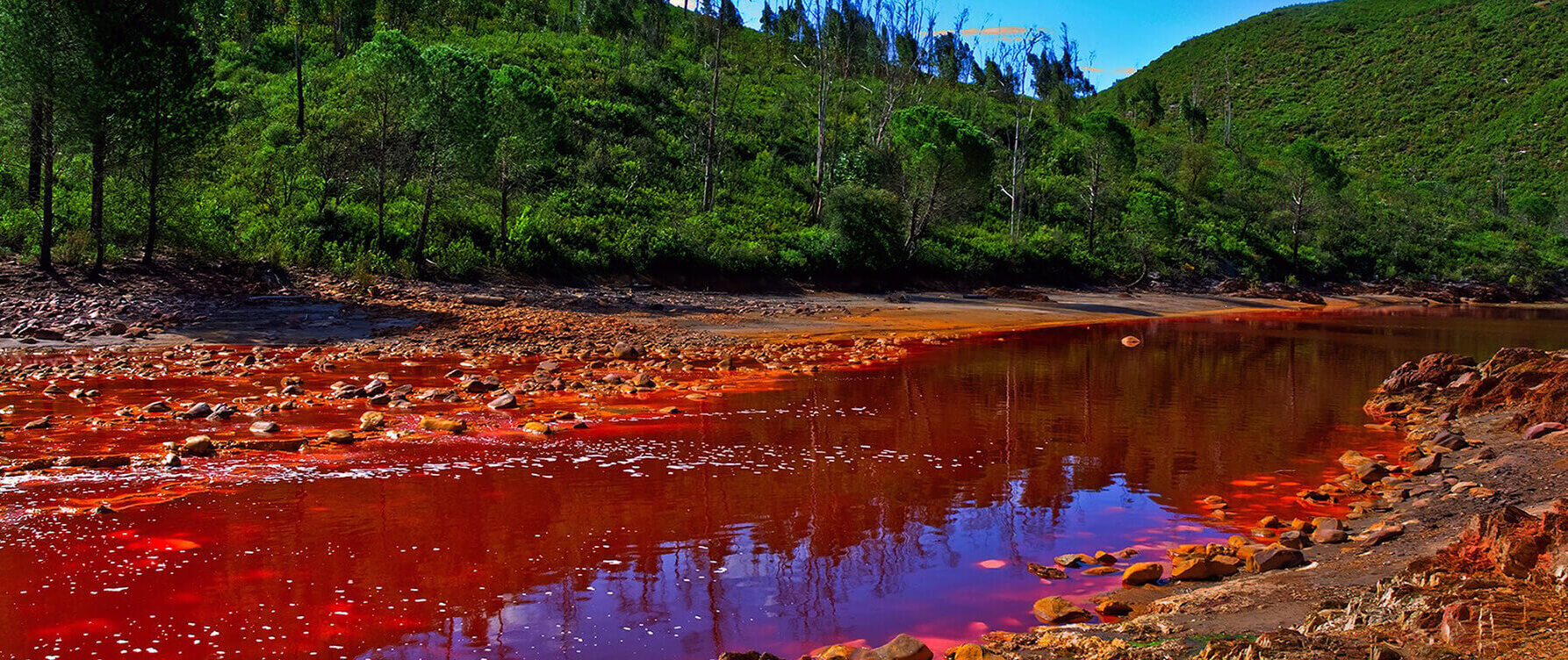
The Rio Tinto is not just any river; it is a fascinating tapestry of history, art, and culture that flows through the city of Huelva in southwest Spain. Its striking brick-red waters, which are rich in minerals, have captivated the imagination of locals and visitors alike. From ancient civilizations to modern-day tourists, the allure of the Rio Tinto is undeniable.
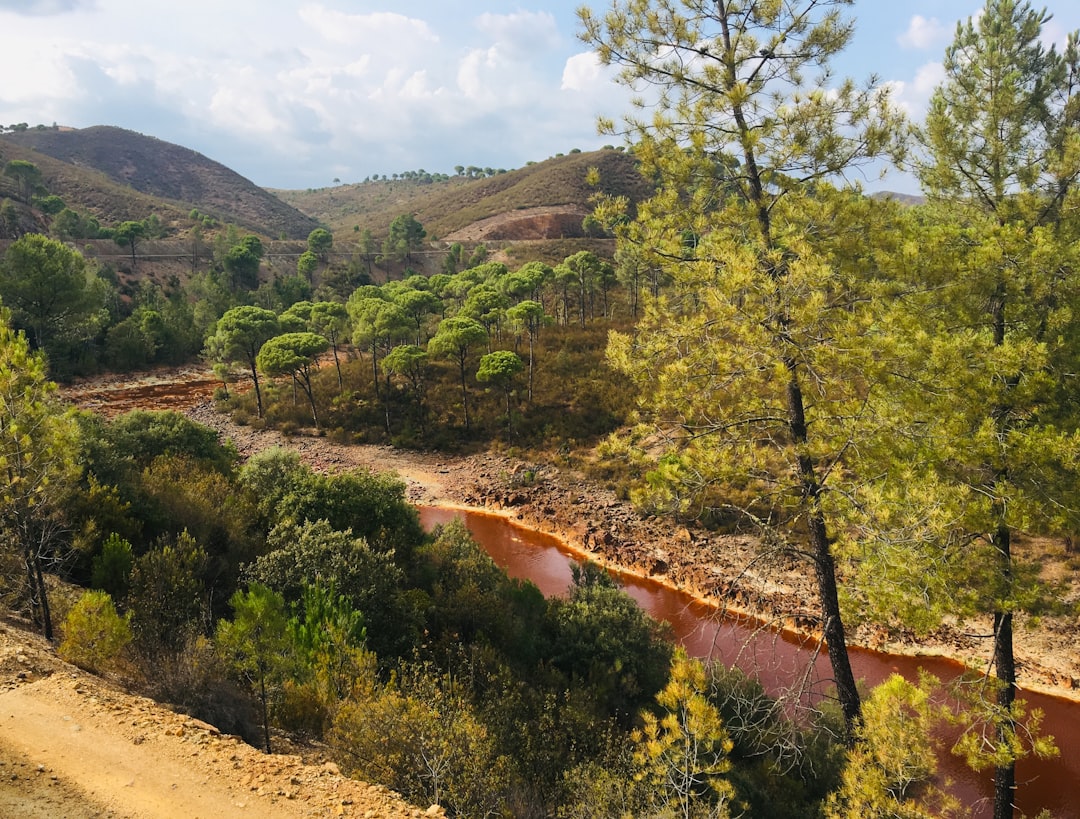
### History and Origins The history of the Rio Tinto dates back to ancient times, with evidence of human activity in the area as early as 3000 BC. The Phoenicians were among the first to exploit the river’s mineral wealth, followed by the Romans, who established mining operations in the region. They referred to the area as *Iulia Traducta*, showcasing its importance in the ancient world.
Throughout the centuries, the river continued to play a pivotal role in the mining industry, particularly during the 19th century when it became a significant source of copper and other precious metals. The establishment of the Rio Tinto Company in 1873 marked a new era, as it attracted international investment and initiated extensive mining operations that would last well into the 20th century. However, this relentless extraction took a toll on the river’s ecosystem, leading to its highly acidic waters.
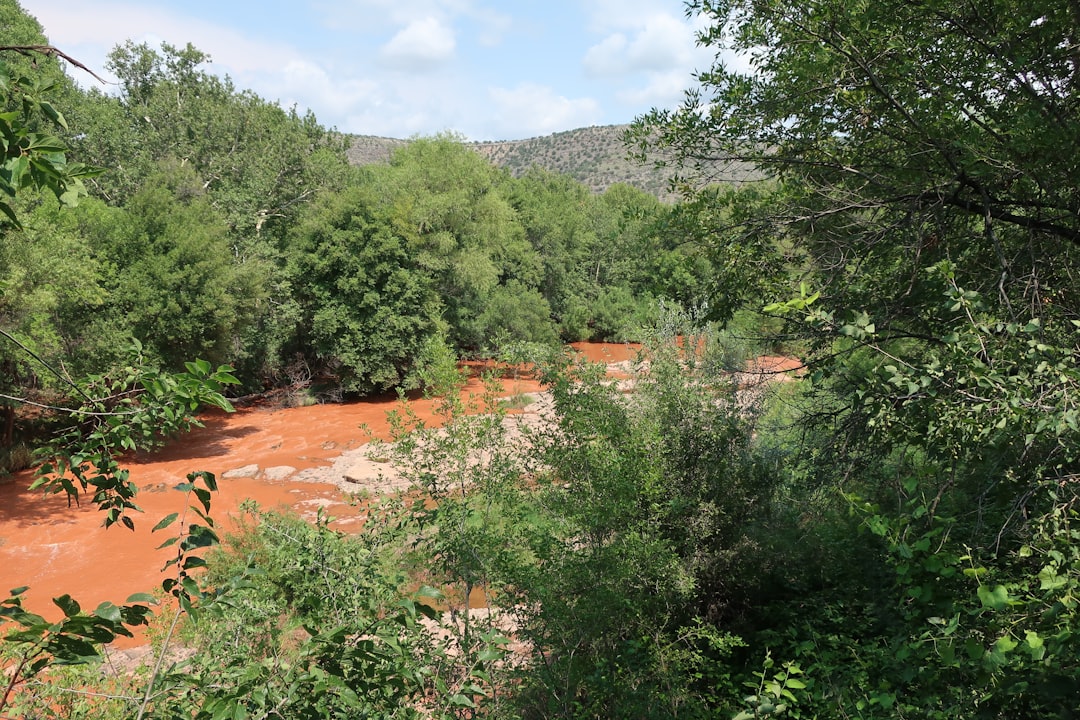
### Art and Architecture The unique landscape of the Rio Tinto has inspired various forms of art and architecture. The vibrant colors of the river and its surrounding terrain have been captured by several artists, most notably by the British landscape painter and naturalist, Richard Ansdell, who documented the area's beauty in the 19th century.
Architecturally, the remnants of mining facilities and structures from the British colonial period can still be seen today. The mining town of Tharsis, established in the 19th century, features buildings that embody the industrial style of the time, while the Huelva Cathedral, with its rich Baroque style, stands as a testament to the city’s historical significance.
### Local Culture and Traditions The culture surrounding the Rio Tinto is deeply intertwined with its mining heritage. The mining communities have preserved unique traditions, particularly in their festivals. One of the most notable is the Fiesta de la Virgen de los Remedios, celebrated in early September, which honors the patron saint of Huelva. The festival features colorful processions, traditional music, and local gastronomy, bringing together the community and visitors to celebrate their shared history.
Additionally, the region is known for its folklore, with stories passed down through generations about miners and their families, celebrating resilience and unity in the face of hardship.
### Gastronomy No exploration of the Rio Tinto’s surroundings would be complete without indulging in its gastronomy. The region is famous for its *jamón ibérico*, a type of cured ham that is a staple in Andalusian cuisine. Local dishes often feature fresh seafood, particularly from the nearby Gulf of Cádiz.
Another local specialty is *pescaito frito*, a delightful assortment of fried fish, which pairs perfectly with a glass of Fino sherry produced in the nearby bodegas. Don’t miss out on trying *choco frito*, a fried cuttlefish dish that has become a beloved favorite among locals.
### Lesser-Known Curiosities While many visitors flock to the stunning landscapes and vibrant colors of the Rio Tinto, some fascinating stories remain hidden. The river’s extreme acidity has made it a site of scientific interest, drawing researchers from around the world to study extremophiles—microorganisms that thrive in harsh environments. This unique ecosystem offers insights into potential life on other planets, showcasing the river’s significance beyond its beauty.
Moreover, the Rio Tinto has also been a filming location for various films and documentaries, thanks to its otherworldly appearance. The landscape has been compared to Mars, making it an intriguing site for filmmakers and explorers alike.
### Practical Visitor Information The best time to visit the Rio Tinto is during the spring (March to May) or fall (September to November) when the weather is mild and the landscapes are particularly vibrant. Early morning or late afternoon offers the best light for photography, enhancing the river’s striking colors.
When visiting, consider taking a guided tour to fully appreciate the historical significance of the area. Many tours include visits to the *Mining Park* in Tharsis, where you can explore the remnants of the industry that shaped the region. Also, don’t miss the opportunity to visit the Rio Tinto Mines, where you can learn about the mining techniques and the river’s ecological challenges.
In conclusion, the Rio Tinto is more than a river; it is a journey through time, culture, and nature that invites exploration and discovery. To truly appreciate the richness of the area, consider using the Secret World app to craft a personalized itinerary that highlights your interests. Happy exploring!