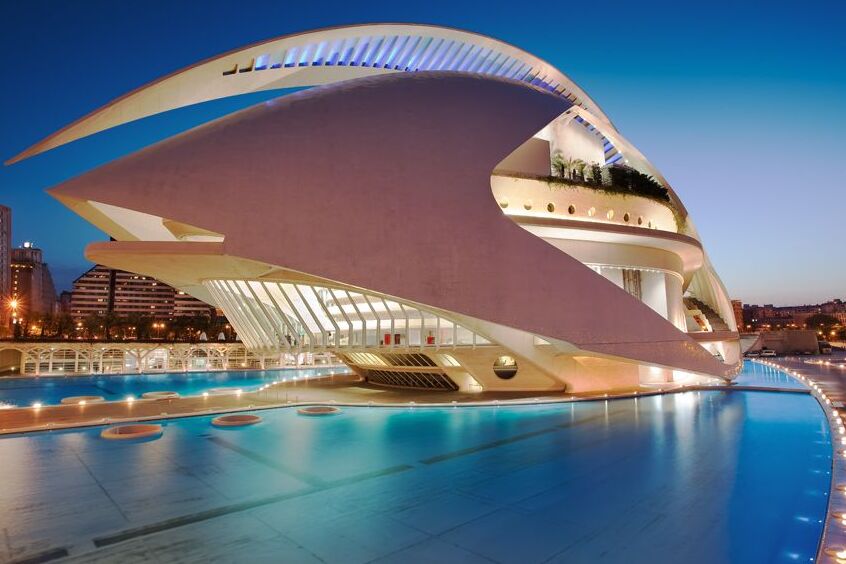

Nestled in the vibrant heart of Valencia, the Queen Sofia Palace of the Arts (Palau de les Arts Reina Sofia) stands as a testament to modern architectural ingenuity and cultural richness. Designed by the renowned Spanish architect Santiago Calatrava, the opera house was constructed between 1995 and 2005, emerging as a symbol of Valencia’s artistic aspirations. This remarkable structure, soaring to 75 meters in height, is not only the tallest opera house in the world but also a hub for opera, music, and performing arts. Its stunning mosaic roof undulates like waves, capturing the essence of Valencia's maritime heritage and the beauty of the Mediterranean Sea. Visiting this architectural marvel is a journey through a blend of history, culture, and culinary delight.
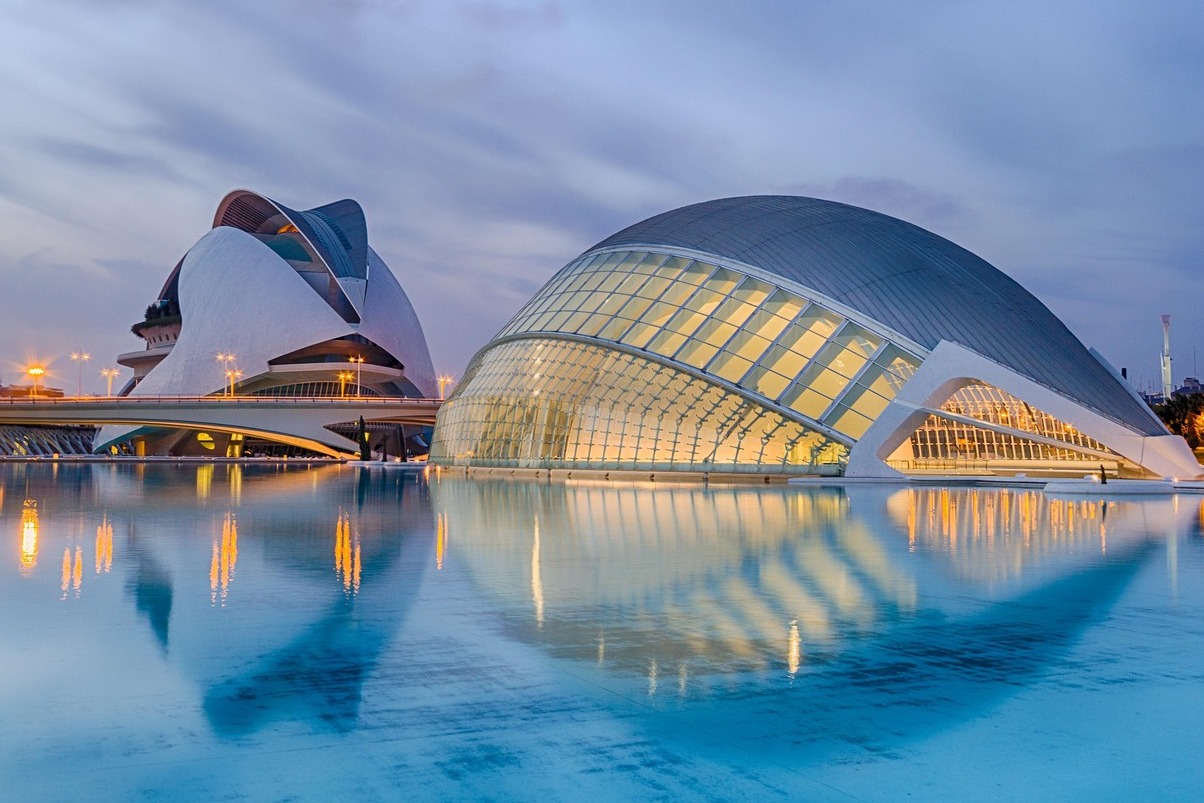
History and Origins Valencia has a rich history that dates back to Roman times, but the establishment of the Palau de les Arts Reina Sofia began in earnest in the late 20th century. The need for a dedicated venue for opera and performing arts became increasingly apparent as Valencia transformed into a cultural hotspot. In 1995, the construction of the palace was initiated, with the intention of creating a world-class facility that would attract international talent and audiences. Over ten years, Calatrava’s ambitious design came to life, culminating in an opening ceremony on October 9, 2005, coinciding with the Fallas Festival—a celebration of art and fire that reflects Valencia's deep-rooted cultural traditions.
Art and Architecture The architectural style of the Queen Sofia Palace of the Arts is a stunning example of modernism. Calatrava’s design employs sweeping lines and organic shapes, symbolizing movement and fluidity, reminiscent of nature. The exterior features an intricate interplay of light and shadow, while the interior boasts four auditoriums that cater to diverse performances, from grand operas to intimate concerts. The Main Auditorium, with a capacity of nearly 1,500 seats, is particularly noteworthy, adorned with state-of-the-art acoustics and a striking chandelier reminiscent of a jellyfish. The artistic significance of the palace extends beyond its structure, as it hosts a variety of performances and exhibitions, fostering creativity and cultural exchange.

Local Culture and Traditions Valencia's culture is a vibrant tapestry of history and modernity, with the Palau de les Arts at its center. The palace plays a pivotal role during the Las Fallas festival, where stunning pyrotechnic displays and artistic sculptures take center stage. Additionally, the venue often features performances that celebrate traditional Spanish music and dance, including flamenco. Valencia is also known for its paella, which is often celebrated during cultural events, emphasizing the region's culinary traditions. Visitors can immerse themselves in local customs by attending performances and participating in vibrant street celebrations.
Gastronomy When in Valencia, indulging in the local cuisine is a must. The city is famous for its paella, a saffron-infused rice dish that originated in the region. Traditional variations often include rabbit, chicken, and snails, but vegetarian options are also popular. Pair your meal with a glass of horchata, a refreshing drink made from tiger nuts, or sample agua de Valencia, a cocktail blending orange juice, cava, and gin. Many local eateries near the palace offer these delicacies, allowing visitors to savor the flavors of Valencia before or after a performance.
Lesser-known Curiosities While many visitors are drawn to the grandeur of the Queen Sofia Palace of the Arts, few know about its sustainable design features. The building incorporates energy-efficient technology, including a geothermal cooling system, which reflects Valencia's commitment to sustainability. Additionally, the palace is surrounded by beautifully landscaped gardens, where local artists sometimes display their work, providing a tranquil escape from the bustling city. Another hidden gem is the opportunity to explore the backstage areas during guided tours, offering insights into the intricate workings of the opera house and the dedication required to stage productions.
Practical Visitor Information The best time to visit the Queen Sofia Palace of the Arts is during the performance season, typically from September to June, when the opera and concert calendar is in full swing. To make the most of your visit, consider booking tickets in advance for popular shows. The guided tours are also highly recommended, providing a deeper understanding of the building’s architecture and history. Be sure to look for the mosaic roof from various angles, as its beauty shifts with the light throughout the day.
In a city that pulses with life and creativity, the Queen Sofia Palace of the Arts is a beacon of cultural expression, inviting travelers to explore its artistic offerings and local flavor. Use the Secret World app to create a personalized itinerary that captures the essence of Valencia.