




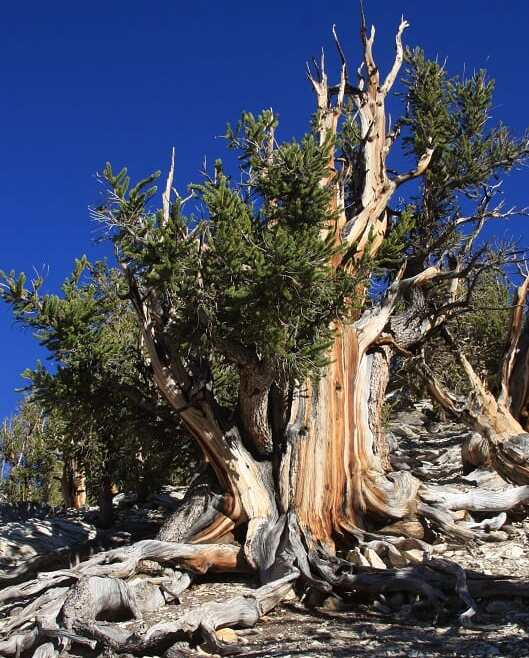
In the arid expanse of the Great Basin in Nevada, a remarkable living testament to time stands tall: the Great Basin bristlecone pine, known as the oldest confirmed tree in the world. This ancient sentinel has captured the fascination of botanists, historians, and nature enthusiasts alike, who come to pay homage to its resilience and history.
### History and Origins The story of the Great Basin bristlecone pine is steeped in ancient history, tracing back to the last Ice Age, approximately 10,000 years ago. These trees thrive in the harsh climate of the White Mountains, perched at elevations of 9,800 to 11,000 feet, where few other species can survive. The oldest individual, discovered in 2012, is over 5,062 years old, making it one of the longest-living non-clonal organisms on the planet.
The tree was first cored by Edmund Schulman in the late 1950s. Schulman’s work in 1957 on these ancient trees was groundbreaking, but he passed away before he could analyze his findings. Years later, Tom Harlan, a dendrochronologist, revisited Schulman’s samples and, in 2010, confirmed the astounding age of this remarkable bristlecone. This discovery not only marked a milestone in dendrology but also reshaped our understanding of resilience and longevity in nature.
### Art and Architecture While the Great Basin bristlecone pines may not be architectural marvels in the traditional sense, they embody a natural artistry that transcends human creation. Their twisted trunks and gnarled branches tell a story of survival against the elements, sculpted by wind, snow, and harsh sunlight. The ancient groves, where these trees reside, have inspired artists and photographers who seek to capture their beauty and the stark landscape surrounding them.
The Bristlecone Pine Forest itself is a designated area within the Inyo National Forest, featuring a visitor center that showcases the ecological significance of these trees. Here, visitors can learn about the tree’s adaptations and the unique geological formations of the White Mountains, blending education with appreciation of nature’s artistry.
### Local Culture and Traditions The local culture surrounding the Great Basin bristlecone pine is steeped in respect for nature, deeply rooted in the historical narratives of the Native American tribes that have inhabited the region for centuries. The Paiute and Shoshone tribes revered the natural world, seeing these ancient trees as symbols of endurance and wisdom. Their stories often reflect a profound connection to the land, emphasizing sustainability and respect for all living things.
While there are no major festivals specifically dedicated to the bristlecone pines, the region celebrates its natural heritage through various wildlife and environmental events throughout the year. These gatherings often include educational programs that highlight the importance of conservation and the ecological significance of the Great Basin.
### Gastronomy In the rugged landscapes of Nevada, the culinary offerings may not be directly tied to the Great Basin bristlecone pine itself, but they reflect the region's rich agricultural history. Local dishes often feature ingredients indigenous to the area, such as pinon nuts, which are harvested from the piñon pine trees that thrive alongside the bristlecones. These nuts are an essential part of local diets and can be found in various forms, from roasted snacks to flavorful additions in baked goods.
Visitors can also indulge in traditional Nevadan fare, including Basque cuisine, a historical remnant of the Basque sheepherders who migrated to the region in the 19th century. Dishes like lamb stew and chorizo are staples in local restaurants, providing a delicious glimpse into the area’s cultural melting pot.
### Lesser-known Curiosities One of the most surprising aspects of the Great Basin bristlecone pine is its unique adaptation to extreme conditions. These trees have an incredibly slow growth rate, often taking hundreds of years to reach their full height. Their wood is dense and resistant to rot, which allows them to withstand harsh weather and pests that would destroy other tree species.
Additionally, the exact location of the oldest tree is kept a closely guarded secret by the U.S. Forest Service to protect it from potential vandalism and environmental damage. This adds an air of mystery to the tree, making it even more special for those who are fortunate enough to visit the surrounding groves.
### Practical Visitor Information The best time to visit the Great Basin bristlecone pine groves is during the late spring to early fall months, typically from May to October. During this time, the weather is milder, and the trails are accessible, allowing for optimal hiking and exploration.
Visitors should dress in layers, as temperatures can vary significantly with elevation changes. Bring plenty of water and snacks, as amenities are limited within the forest. Don’t forget your camera; the stunning vistas and ancient trees offer countless opportunities for breathtaking photographs.
In conclusion, the Great Basin bristlecone pine is more than just the oldest tree on Earth; it is a symbol of endurance, a monument to ancient history, and a testament to the resilience of life in one of the harshest environments. To truly appreciate this natural wonder, consider using the Secret World app to craft a personalized itinerary that reveals the hidden gems of this extraordinary region.