





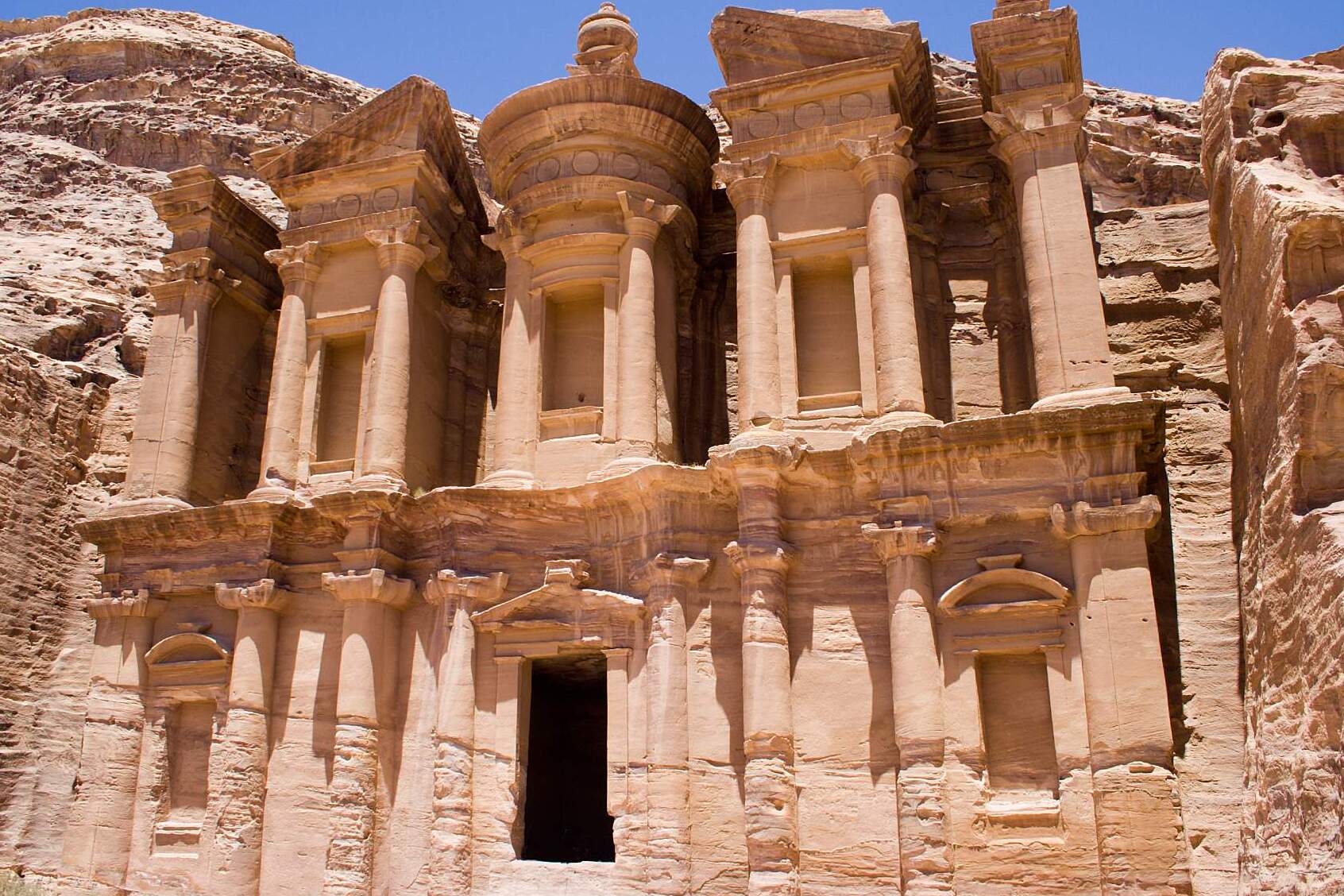
Nestled amidst the rugged landscapes of southern Jordan, the Incredible Lost City of Petra beckons travelers with its haunting beauty and profound historical significance. Carved directly into vibrant pink sandstone cliffs, this archaeological marvel was once the thriving capital of the Nabataean kingdom, a testament to human ingenuity and resilience.
Petra's origins date back to antiquity when it was known as Raqmu to its founders, the Nabataeans. Established as early as the 4th century BCE, Petra became a pivotal hub of trade, strategically located on the caravan routes that linked the East and West. This flourishing city reached its zenith during the 1st century BCE under the reign of King Aretas IV. Petra's decline began after a devastating earthquake in 363 CE and the shifting of trade routes, leading to its eventual obscurity, only to be rediscovered by Swiss explorer Johann Ludwig Burckhardt in 1812.
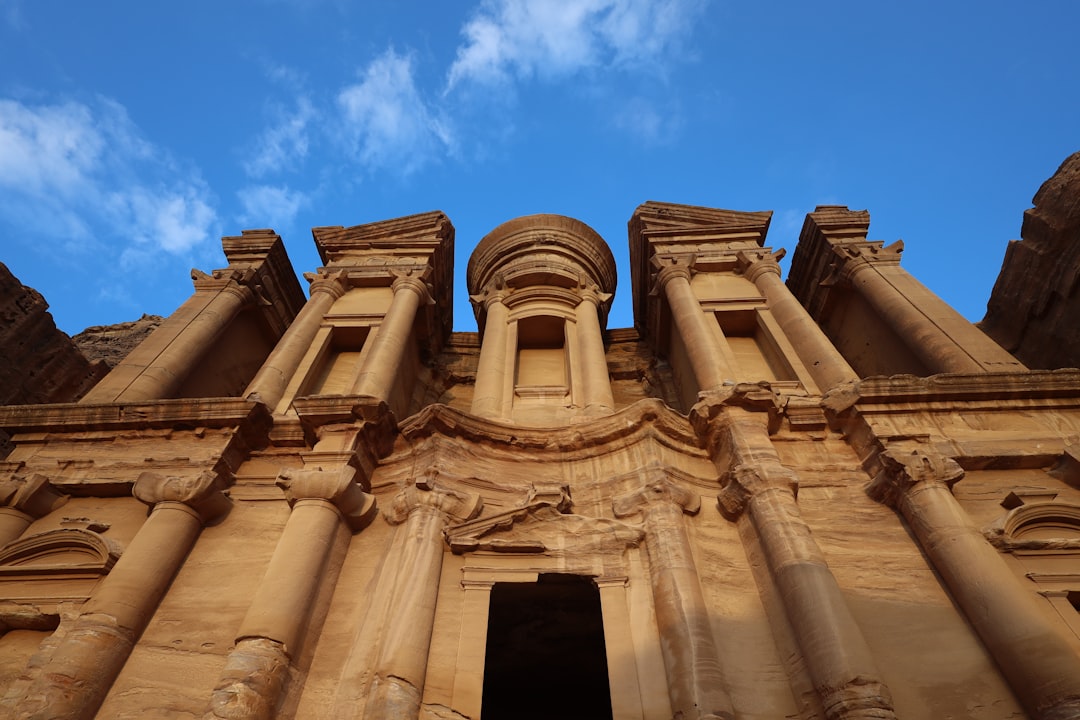
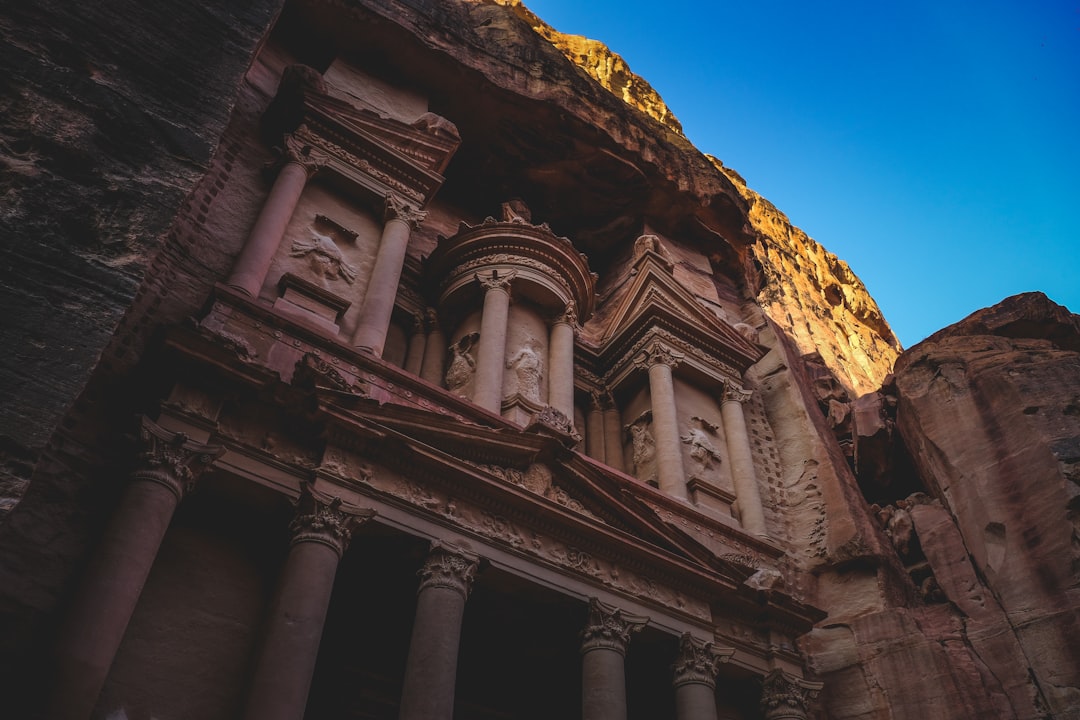
The city's architectural grandeur is most famously epitomized by Al-Khazneh, or the Treasury, a towering facade that greets visitors at the end of the Siq, a narrow, winding gorge. This masterpiece, believed to be a royal tomb, showcases the Nabataeans' architectural prowess, blending Hellenistic style with local traditions. The intricate carvings and towering columns of the Treasury are just a glimpse into Petra's artistic significance. Further explorations reveal the Monastery (Ad-Deir), another monumental structure, and the Royal Tombs, each boasting detailed reliefs and designs that narrate the tales of a bygone era.
Beyond its physical allure, Petra is steeped in cultural traditions that continue to thrive among the local Bedouin communities. The B'doul tribe, who have lived in and around Petra for generations, preserve this rich heritage through storytelling and traditional crafts. Visitors may witness the vibrant Petra by Night event, where the city is illuminated by thousands of candles, accompanied by traditional Bedouin music, offering a mesmerizing experience that harks back to ancient times.
No visit to Petra would be complete without savoring the local flavors. The gastronomy here is a delightful reflection of Jordanian culture, with dishes like Mansaf, a hearty meal of lamb cooked in fermented dried yogurt and served with rice, holding a special place in communal gatherings. Enjoying a cup of mint tea or strong Arabic coffee amidst the stunning backdrop of Petra adds a flavorful dimension to the visit.
For those seeking lesser-known curiosities, Petra holds many secrets. The High Place of Sacrifice, accessible via a steep climb, offers not only a stunning panoramic view but also insights into ancient Nabataean religious practices. The lesser-explored Little Petra (Siq al-Barid) provides a quieter, more intimate glimpse into Nabataean life, complete with ancient frescoes that hint at a once-vibrant residential area.
When planning a visit to Petra, timing is crucial. The optimal months are March to May and September to November, when the weather is mild and pleasant. Arriving early in the morning or late in the afternoon allows for a more serene experience, avoiding the midday crowds and capturing the site in its most photogenic light. Comfortable walking shoes are essential, as exploring Petra involves considerable walking over rugged terrain.
Petra is more than just a historical site; it is a living testament to the human spirit's enduring creativity and adaptability. Each corner, each carving, whispers tales of traders, builders, and artists who once walked these paths. For those who journey to this ancient city, Petra offers not just a glimpse into the past but an invitation to be part of its timeless narrative.