
← Back

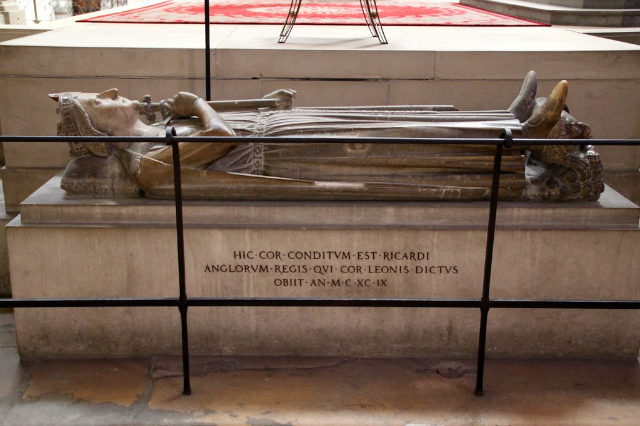
The embalmed heart of King Richard I

Place de la Cathédrale, 76000 Rouen, Francia ★★★★☆ 225 views
Fabiana Rocca
Rouen
🏆 AI Trip Planner 2026

Get the free app

Discover the best of Rouen with Secret World — the AI trip planner with 1M+ destinations. Get personalized itineraries, hidden gems and local tips. Free on iOS & Android.

🧠 AI Itineraries 🎒 Trip Toolkit 🎮 KnowWhere Game 🎧 Audio Guides 📹 Videos
Scan to download iOS / Android
Scan for AppGallery Huawei users

About The embalmed heart of King Richard I

The embalmed heart of King Richard I - Rouen | Secret World Trip Planner

Rouen, a historic city in Normandy, France, is known for its rich heritage and significant historical events. Among its intriguing historical artifacts is the embalmed heart of King Richard I, famously known as Richard the Lionheart.

Richard I was a renowned medieval English king who ruled from 1189 to 1199. He earned his epithet "Lionheart" due to his valor and prowess in battle. After his death in 1199, his body was buried at the Fontevraud Abbey in France, while his heart was embalmed and placed in a separate location.

The embalmed heart of King Richard I was originally interred within the church of Notre-Dame-du-Pré in Rouen. However, the church was destroyed during the French Revolution, and the whereabouts of the heart became uncertain.

In 1838, during the restoration of the church, an ornate lead box was discovered, believed to contain the embalmed heart of Richard I. The box was subsequently transferred to the Musée des Antiquités in Rouen, where it is displayed as a significant historical artifact.

Today, visitors to Rouen can visit the Musée des Antiquités and view the lead box believed to contain the embalmed heart of Richard I. The museum also houses a collection of archaeological artifacts and artworks, providing a deeper understanding of the region's history and cultural heritage.

The separate entombment of Richard I's heart symbolizes the medieval belief in dividing the body for burial, with different parts placed in various locations of significance. While the heart itself holds historical and symbolic value, it also represents the enduring legacy and mythos surrounding King Richard I.

Rouen itself is a city steeped in history, with notable landmarks such as the Rouen Cathedral and the Gros-Horloge, a medieval astronomical clock. The city's charming streets, historic architecture, and vibrant culture make it an attractive destination for history enthusiasts and travelers alike.

The embalmed heart of King Richard I in Rouen serves as a testament to the historical significance and legends surrounding this iconic medieval figure. Its presence in the Musée des Antiquités invites visitors to explore the captivating history of the region and reflect on the enduring legacy of one of England's most legendary kings.


🗺 La app de los tesoros hispanos

Plan your visit to Rouen

Suggested itinerary near The embalmed heart of King Richard I

MAJ+
500.000+ travelers worldwide
  1. 🌅
    Morning
    The embalmed heart of King Richard I
    📍 Rouen
  2. ☀️
    Afternoon
    Rouen Cathedral
    📍 0 km · Rouen
  3. 🌆
    Evening
    Discover the Majestic Cathédrale de Rouen in Normandy
    📍 0.1 km · Rouen

Buy Unique Travel Experiences

Powered by Viator

See more on Viator.com

Explore nearby · Rouen

Frequently Asked Questions

The embalmed heart of King Richard I is displayed at the Musée des Antiquités in Rouen, housed in an ornate lead box that was discovered in 1838 during church restoration. The museum also features a collection of archaeological artifacts and artworks that provide context for this remarkable historical piece and the region's cultural heritage.
Richard I's heart was separated from his body following a medieval burial practice where different body parts were placed in locations of significance. While his body was buried at Fontevraud Abbey in France, his heart was embalmed and originally interred in the church of Notre-Dame-du-Pré in Rouen, reflecting both religious customs and the symbolic importance of the heart.
The church of Notre-Dame-du-Pré, where Richard I's heart was originally kept, was destroyed during the French Revolution, leaving the heart's whereabouts uncertain for decades. It wasn't until 1838, during restoration efforts, that an ornate lead box believed to contain the embalmed heart was rediscovered and subsequently transferred to the Musée des Antiquités.
While visiting the Musée des Antiquités to see Richard I's heart, you can also explore Rouen's other notable landmarks including the magnificent Rouen Cathedral and the Gros-Horloge, a stunning medieval astronomical clock. The city's charming historic streets and architecture create an immersive medieval atmosphere perfect for history enthusiasts.
The Musée des Antiquités in Rouen is located in the historic city center and can be reached by train or car from Paris or other Normandy destinations. When planning your visit, check the museum's opening hours and admission fees in advance, as it showcases not only Richard I's heart but also an extensive collection of archaeological artifacts and artworks from the region's rich history.