





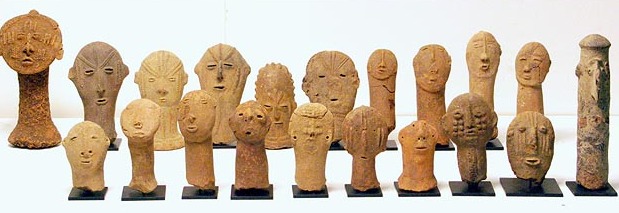
Nestled in the Tillabéry Region of Niger, the Bura archaeological site offers a captivating glimpse into a civilization that thrived centuries ago. This historical treasure, located in the Téra Department, showcases the rich tapestry of life, death, and artistry in a landscape that has remained largely unchanged over time.
### History and Origins The origins of the Bura culture can be traced back to the early centuries of the first millennium AD. Predominantly flourished between the 3rd and 11th centuries, this civilization developed unique burial practices that reflect their beliefs and social structures. The site is characterized by necropoleis, which served as final resting places for the community’s elite, adorned with intricately designed terra cotta statuettes that symbolize the deceased’s status and connection to the spiritual world.
In 1983, significant excavations revealed a burial area measuring 25 by 20 meters, allowing archaeologists to better understand the cultural practices of the Bura people. The main necropolis, spanning approximately one kilometer, is surrounded by remnants of ancient dwellings and religious altars, providing insights into the daily lives and spiritual beliefs of its inhabitants. The site was added to the UNESCO World Heritage Tentative List on May 26, 2006, highlighting its cultural significance and the need for preservation.
### Art and Architecture The Bura archaeological site is renowned for its distinctive architectural style and artistry. The most striking feature of this site is its terra cotta statuettes, which were often placed atop coffins. These figures, with their exaggerated features and expressive poses, reflect the aesthetic sensibilities of the Bura culture. They depict various aspects of life, from everyday activities to spiritual representations, serving both decorative and ritualistic purposes.
The burial mounds themselves, constructed from earth and stone, exhibit sophisticated engineering techniques, suggesting a well-organized society with a strong belief in the afterlife. The altars found within the necropolis indicate the presence of ritual practices that were integral to the community's spiritual life, merging artistry with architecture in a manner that resonates with their cultural ethos.
### Local Culture and Traditions The legacy of the Bura culture is still felt in the local customs of the Téra region today. Traditional ceremonies often reflect the ancient practices of honoring the dead, with locals engaging in rituals that echo those of their ancestors. Festivals celebrating agricultural cycles or significant life events often incorporate elements derived from Bura traditions, emphasizing community and continuity.
The region is also known for its vibrant storytelling traditions, where tales of the past intertwine with the present, keeping the essence of Bura alive. These stories often emphasize moral lessons and historical events, providing a window into the values and beliefs that shaped the Bura civilization.
### Gastronomy Visitors to Téra can savor local dishes that reflect the culinary heritage of the region. Nigerien cuisine features staples such as fufu (a starchy dish made from cassava or yams) and rice dishes often served with spicy sauces. Grilled fish, sourced from local rivers, is also a popular delicacy, enjoyed with a side of vegetables seasoned with traditional spices.
For those with a sweet tooth, doughnuts made from millet flour and honey are a must-try. These local treats are often enjoyed during celebrations or shared among families during communal gatherings, embodying the spirit of hospitality that characterizes the Téra community.
### Lesser-known Curiosities While many visitors flock to the Bura archaeological site for its historical significance, there are lesser-known curiosities that add to its allure. For instance, the unique burial practices of the Bura people involved not just the interment of the deceased but the inclusion of objects deemed important in the afterlife, such as tools and pottery. Moreover, the statuettes found at the site are not just artistic expressions; they serve as critical indicators of social hierarchies and gender roles within the Bura society.
Another intriguing aspect is the oral history surrounding the site, where local legends speak of guardian spirits believed to watch over the necropolis, adding a layer of mystique to the already rich historical narrative.
### Practical Visitor Information The best time to visit the Bura archaeological site is during the cooler months, from November to February, when temperatures are more bearable for exploration. Visitors should come prepared with water, comfortable footwear, and a good camera to capture the stunning landscapes and intricate details of the site.
Guided tours are highly recommended, as local guides provide invaluable insights into the site's history and significance. Make sure to take time to wander through the necropolises, observing the unique architectural features and the stunning artifacts that tell the story of the Bura culture.
In conclusion, a visit to the Bura archaeological site in Téra is not just a journey into the past; it is an exploration of the foundations of a vibrant culture that continues to influence the local community today. Whether you are an archaeology enthusiast, a culture aficionado, or simply a curious traveler, Bura offers a profound connection to Niger's rich heritage. For a personalized experience, consider using the Secret World app to plan your itinerary for exploring Téra.