





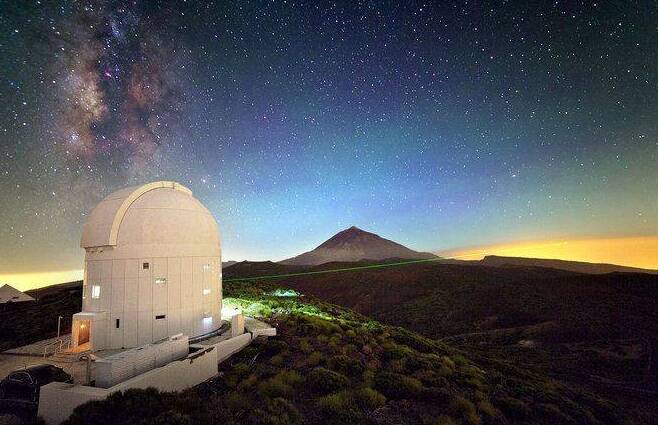
Teide Observatory stands as a beacon for astrophysics, perched on the majestic slopes of Mount Teide, the highest peak in Spain, at an impressive altitude of 2,390 meters. This remarkable site, located in the municipality of San Cristóbal de La Laguna, is not only a hub for scientific discovery but also a treasure trove of history, culture, and stunning natural beauty.
### History and Origins The journey of astrophysics in the Canary Islands began in earnest in the early 20th century. Although the first telescopic observations of the night sky can be traced back to the 1800s, the official establishment of the Teide Observatory occurred in 1964. Its inaugural telescope was dedicated to the study of the zodiacal light, a faint glow caused by sunlight scattering off interplanetary dust. Over the decades, the observatory has evolved, hosting some of the world's most advanced telescopes, including the Gran Telescopio Canarias, which opened in 2009 and is one of the largest optical telescopes in the world.
### Art and Architecture Architecturally, the Teide Observatory is a blend of functional design and striking natural surroundings. The observatory's buildings are primarily utilitarian, constructed to withstand extreme weather conditions while maximizing observational potential. The stark white domes of the telescopes contrast beautifully against the deep blue sky and the rugged volcanic landscape. The observatory is also home to various artistic interpretations of celestial bodies, often created by local artists that pay homage to the cosmos.
### Local Culture and Traditions Surrounding the Teide Observatory is a rich cultural tapestry that reflects the island's history. The local population, primarily composed of Guanches (the indigenous people of Tenerife) and descendants of Spanish settlers, celebrates numerous festivals. One noteworthy event is the Fiesta de San Isidro, held in May, which honors farmers and agricultural traditions. The island's deep-rooted connection to the stars is also evident in folklore, where the Guanches believed that the celestial bodies were the spirits of their ancestors.
### Gastronomy The culinary landscape of San Cristóbal de La Laguna is vibrant and diverse, deeply influenced by both its indigenous roots and Spanish heritage. Traditional dishes include papas arrugadas (wrinkled potatoes) served with mojo sauce, a garlic and herb condiment that packs a flavorful punch. Another local delicacy is gofio, a flour made from roasted grains, often eaten with honey or used in stews. Visitors can also enjoy a glass of malvasía, a sweet wine that has been produced on the island since the 15th century, perfectly complementing the local cuisine.
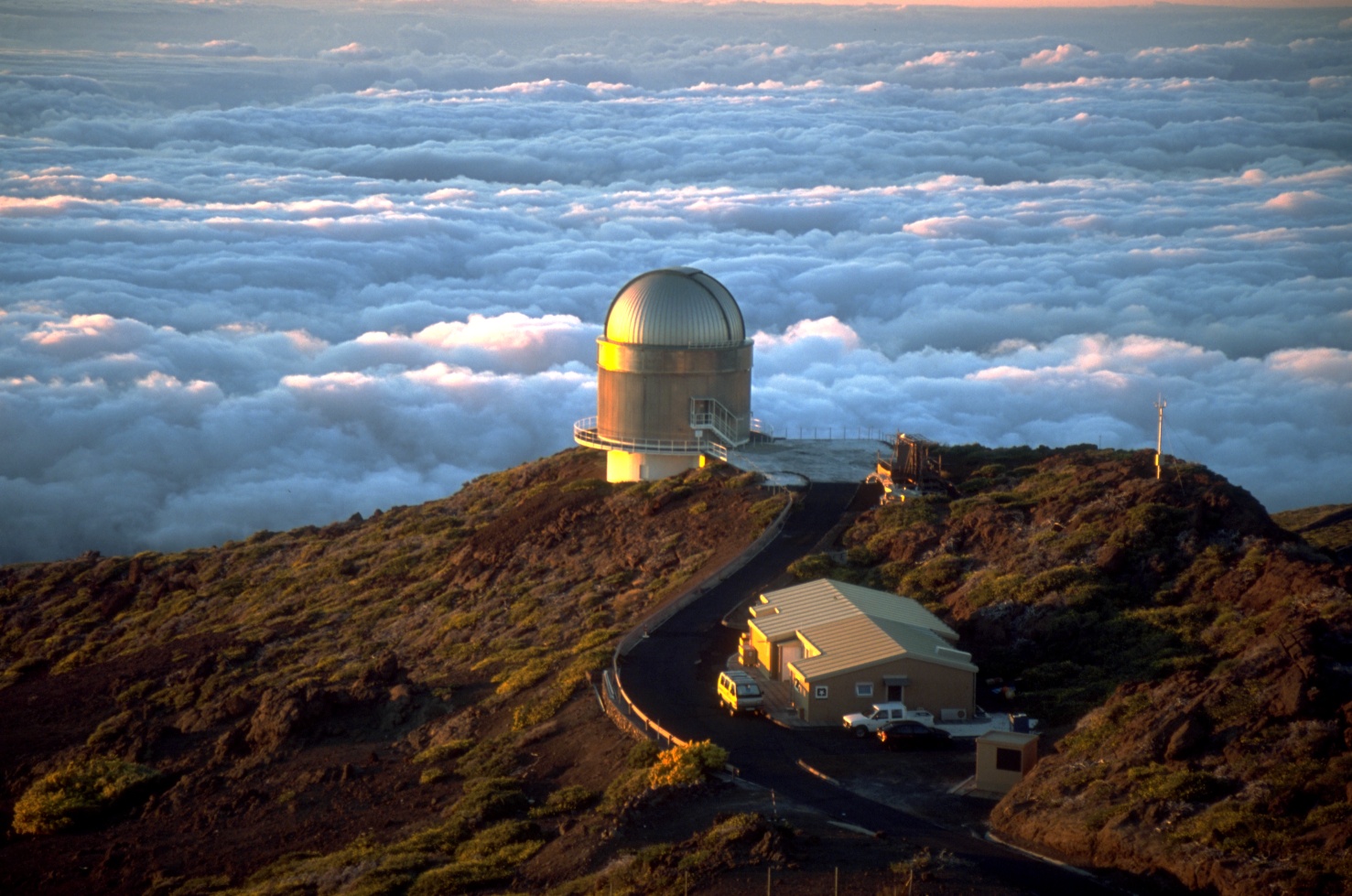
### Lesser-Known Curiosities While many visitors come to the Teide Observatory for its scientific significance, few know that it is located within a UNESCO Biosphere Reserve. This designation highlights the area’s ecological diversity and commitment to conservation. There's also a unique phenomenon called the “sea of clouds,” where the observatory often sits above a thick layer of clouds, offering breathtaking views of the sky and landscape below. Additionally, the observatory is a premier location for stargazing; due to its high altitude and minimal light pollution, it provides a stunning array of visible celestial phenomena that draw in both amateur and professional astronomers.
### Practical Visitor Information The best time to visit the Teide Observatory is during the summer months, specifically from June to September, when the weather is generally clear. The observatory is accessible by car, and there are various visitor centers along the way that provide insights into the island's geological and astronomical significance. When visiting, make sure to look for the impressive solar telescope, which allows for direct observation of solar phenomena. Don’t forget to bring warm clothing, as temperatures can drop significantly at higher altitudes, even during warm months.
In conclusion, the Teide Observatory is not just a scientific marvel but a cultural landmark that encapsulates the spirit of Tenerife. Whether you are drawn by the allure of the stars, the rich history, or the delicious local cuisine, this place offers a unique experience that lingers long after your visit. For a personalized itinerary that includes the fascinating sights of San Cristóbal de La Laguna, consider using the Secret World app.