
← Back

Tateyama Kurobe Alpine Route, the Roof of Japan

Ashikuraji, Tateyama, Distretto di Nakaniikawa, Prefettura di Toyama 930-1406, Giappone ★★★★☆ 704 views
Linda Sartori
Tateyama
🏆 AI Trip Planner 2026

Get the free app

Discover the best of Tateyama with Secret World — the AI trip planner with 1M+ destinations. Get personalized itineraries, hidden gems and local tips. Free on iOS & Android.

🧠 AI Itineraries 🎒 Trip Toolkit 🎮 KnowWhere Game 🎧 Audio Guides 📹 Videos
Scan to download iOS / Android
Scan for AppGallery Huawei users

About Tateyama Kurobe Alpine Route, the Roof of Japan

Tateyama Kurobe Alpine Route, the Roof of Japan - Tateyama | Secret World Trip Planner

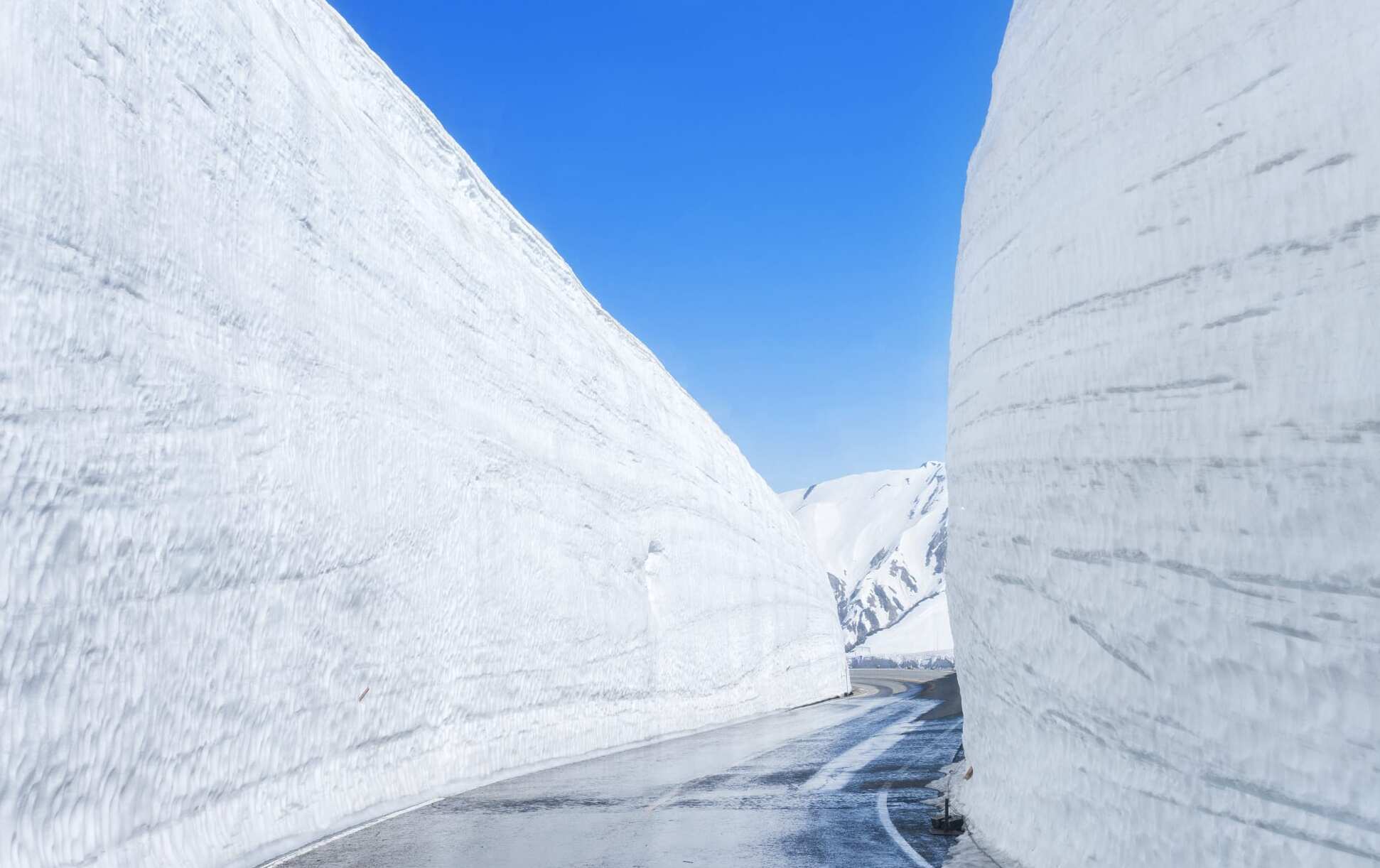
The Tateyama Kurobe Alpine Route, often referred to as the Roof of Japan, is a breathtaking 37-kilometer journey that traverses some of the most stunning landscapes in Japan. Located in the Tateyama region of Toyama and Nagano, this remarkable route is renowned for its towering snow walls that can reach heights of up to 20 meters. Each spring, as the snow melts, the route becomes one of Japan's premier destinations for nature lovers and adventure seekers alike.

### History and Origins The history of the Tateyama Kurobe Alpine Route is deeply intertwined with the region's reverence for Mount Tateyama, one of Japan's sacred mountains. The area has been a site of pilgrimage for centuries, with roots tracing back to the Nara Period (710-794 AD). Kannon, the Buddhist goddess of mercy, is believed to have resided here, attracting both spiritual seekers and adventurers.

The construction of the route began in earnest in the mid-20th century, specifically in 1950, as part of a hydroelectric project. This project was vital for Japan’s post-war recovery, leading to the development of the Kurobe Dam, which was completed in 1963. The Alpine Route officially opened to the public in 1971, offering a unique blend of engineering marvel and stunning natural beauty.

### Art and Architecture The architectural significance of the Tateyama Kurobe Alpine Route is evident in the structures that dot the landscape, including the Kurobe Dam and the Murodo Station. The dam, standing at 186 meters, is one of Japan's tallest and serves as a stunning backdrop to the surrounding mountains. Its impressive concrete structure is a testament to the ingenuity of modern engineering, harmonizing with the natural beauty that envelops it.

In addition to these man-made wonders, the route offers artistic displays of nature itself. The Murodo Plateau is renowned for its alpine flora, showcasing a vibrant tapestry of wildflowers that bloom during the warmer months, creating a living canvas that changes with the seasons.

### Local Culture and Traditions The Tateyama region is rich in local customs and traditions, many of which are connected to its spiritual heritage. One notable event is the Tateyama Yamabiraki, a spring festival held in late April. This festival marks the opening of the sacred mountain for pilgrims and features traditional rituals, music, and dance that celebrate the arrival of spring.

Additionally, the Tateyama area is known for its unique Kurobe River traditions, including the practice of Kurobe Onsen bathing. Locals believe that the mineral-rich waters of the hot springs have healing properties, and many visitors partake in this relaxing tradition after a day of exploration.

### Gastronomy The culinary offerings in the Tateyama region are as diverse as its landscapes. Local specialties include Tateyama beef, prized for its rich flavor and tenderness, and soba noodles, made from buckwheat that thrives in the mountainous terrain. Additionally, the region is known for its fresh mountain vegetables and fish caught from the pristine waters of the Kurobe River.

Don’t miss the opportunity to try “Shiro-ebi,” or white shrimp, a local delicacy that is often served as sashimi or tempura. Pair your meal with sake brewed from the pure waters of the region, enhancing the flavors of this mountainous culinary experience.

### Lesser-known Curiosities While the towering snow walls are a highlight, there are several lesser-known aspects of the Tateyama Kurobe Alpine Route that intrigue visitors. For instance, did you know that the Murodo Station is the highest station on the route, sitting at an altitude of 2,450 meters? Here, you can experience unique weather phenomena, including sudden shifts from sunny skies to swirling mists.

Another hidden gem is the Tateyama Snow Corridor, where the snow walls create a dramatic tunnel-like effect along the path. This extraordinary sight is typically open from mid-April to late June, but the exact dates vary each year depending on snowfall.

### Practical Visitor Information The best time to visit the Tateyama Kurobe Alpine Route is during the spring months from mid-April to June, when the snow walls are at their peak. Additionally, early autumn, particularly late September to October, offers stunning fall foliage that paints the landscape in vibrant colors.

When planning your visit, consider purchasing an all-inclusive ticket that covers various modes of transport along the route, including buses, cable cars, and trolley buses. Be sure to dress in layers, as temperatures can fluctuate dramatically, especially at higher altitudes.

### Conclusion The Tateyama Kurobe Alpine Route is not just a journey through stunning landscapes; it is an exploration of Japan's profound connection to nature, spirituality, and tradition. Whether you're drawn by the towering snow walls, the rich local culture, or the culinary delights, this alpine adventure promises an unforgettable experience.

For a personalized itinerary that captures the essence of this breathtaking destination, consider using the Secret World app.

🗺 La app de los tesoros hispanos

Plan your visit to Tateyama

Suggested itinerary near Tateyama Kurobe Alpine Route, the Roof of Japan

MAJ+
500.000+ travelers worldwide
  1. 🌅
    Morning
    Tateyama Kurobe Alpine Route, the Roof of Japan
    📍 Tateyama
  2. ☀️
    Afternoon
    Discover the Magic of the Tateyama Kurobe Alpine Route in Japan
    📍 8.2 km · Tateyama

Buy Unique Travel Experiences

Powered by Viator

See more on Viator.com

Explore nearby · Tateyama

Frequently Asked Questions

Spring is the best time to visit, as the snow melts and reveals the famous snow walls that can reach heights of up to 20 meters. This seasonal transformation makes the route one of Japan's premier destinations during this period.
The route is a 37-kilometer journey located in the Tateyama region spanning across Toyama and Nagano prefectures. Often referred to as the 'Roof of Japan,' it traverses some of the most stunning landscapes in the country.
The route was constructed beginning in 1950 as part of a hydroelectric project vital to Japan's post-war recovery, leading to the completion of the Kurobe Dam in 1963. The Alpine Route officially opened to the public in 1971, blending engineering achievement with the region's centuries-old pilgrimage traditions rooted in the Nara Period.
Key attractions include the impressive Kurobe Dam standing at 186 meters, one of Japan's tallest dams, and Murodo Station situated on the Murodo Plateau. The plateau is renowned for its alpine flora and vibrant wildflowers that bloom seasonally, offering stunning displays of natural beauty.
Mount Tateyama is one of Japan's sacred mountains and has been a pilgrimage site for centuries, with spiritual roots tracing back to the Nara Period (710-794 AD). The Buddhist goddess of mercy, Kannon, is believed to have resided here, making the region deeply significant in Japan's spiritual and cultural heritage.