
← Back

Stasi Pre-Trial Prison Museum

Hermannstraße 34b, 18055 Rostock, Germany ★★★★☆ 125 views
Diana Lorenzi
Rostock
🏆 AI Trip Planner 2026

Get the free app

Discover the best of Rostock with Secret World — the AI trip planner with 1M+ destinations. Get personalized itineraries, hidden gems and local tips. Free on iOS & Android.

🧠 AI Itineraries 🎒 Trip Toolkit 🎮 KnowWhere Game 🎧 Audio Guides 📹 Videos
Scan to download iOS / Android
Scan for AppGallery Huawei users

About Stasi Pre-Trial Prison Museum

Stasi Pre-Trial Prison Museum - Rostock | Secret World Trip Planner

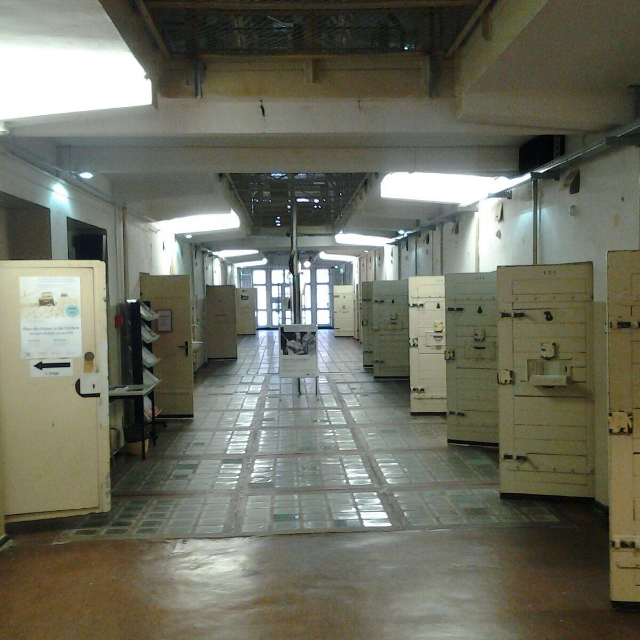
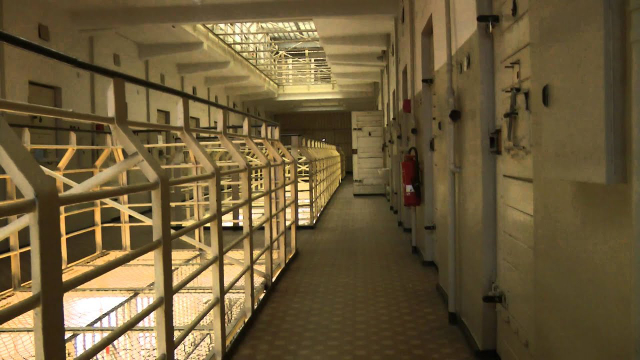
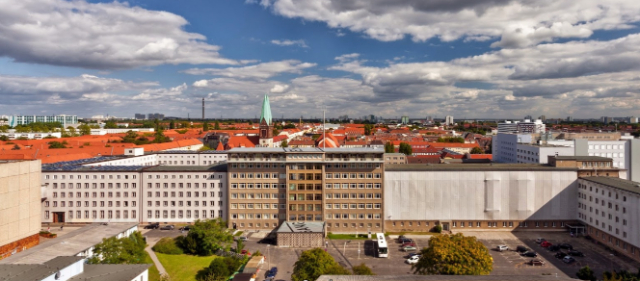
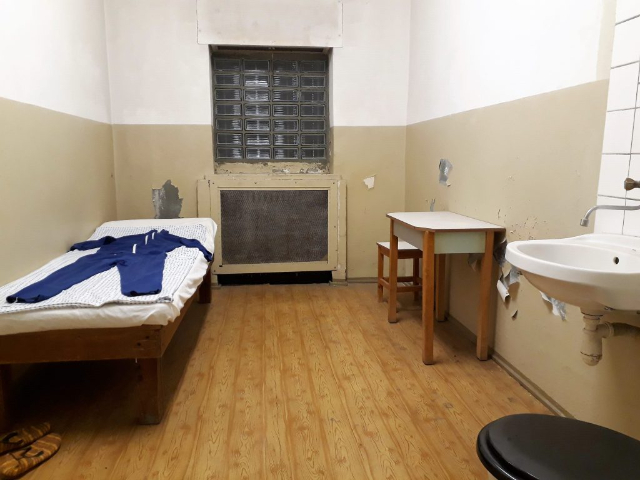
Stasi Pre-Trial Prison Museum is called the Stasi Museum for short. A dark part of the city's history is remembered here. The fifty-cell remand prison was built between 1958 and 1960. Up until the fall of 1989, a total of almost five thousand people were locked up here, without any contact with the outside world and without ventilation. These were men and women who were mostly accused of political offenses. You can feel the oppressive, dark atmosphere during a tour and inspection of the cells. A permanent exhibition shows which methods the Stasi (= the Ministry for State Security in the GDR) worked with.
Stasi Pre-Trial Prison Museum - Rostock | Secret World Trip Planner
🗺 La app de los tesoros hispanos

Plan your visit to Rostock

Suggested itinerary near Stasi Pre-Trial Prison Museum

MAJ+
500.000+ travelers worldwide
  1. 🌅
    Morning
    Stasi Pre-Trial Prison Museum
    📍 Rostock
  2. ☀️
    Afternoon
    Culture Museum Rostock
    📍 0.4 km · Rostock
  3. 🌆
    Evening
    Ständehaus Rostock
    📍 0.4 km · Rostock

Buy Unique Travel Experiences

Powered by Viator

See more on Viator.com

Explore nearby · Rostock

Frequently Asked Questions

The fifty-cell remand prison operated from 1960 until the fall of 1989, holding almost five thousand prisoners—mostly men and women accused of political offenses. Inmates were kept in complete isolation without contact with the outside world or ventilation, making it a notorious symbol of Cold War oppression in East Germany.
Visitors can tour the actual prison cells and experience the oppressive, dark atmosphere firsthand, gaining insight into the conditions prisoners endured. The museum features a permanent exhibition detailing the methods and operations of the Stasi (Ministry for State Security in the GDR), revealing how the secret police controlled and interrogated suspects.
The facility was constructed between 1958 and 1960 during the height of the Cold War, serving as a key detention center for the East German secret police. It remained operational until the fall of the Berlin Wall in 1989, marking the end of an era of political persecution.
Yes, this museum is an essential destination for anyone interested in Cold War history and the methods of authoritarian surveillance states. The combination of seeing actual prison cells and learning about Stasi interrogation techniques provides a powerful, sobering education about this dark period of German history.
Prepare for an emotionally intense experience—the cramped cells and lack of ventilation create a genuinely oppressive atmosphere that conveys the harsh reality prisoners faced. Guided tours are available and recommended to fully understand the historical context and the Stasi's surveillance and detention methods.