





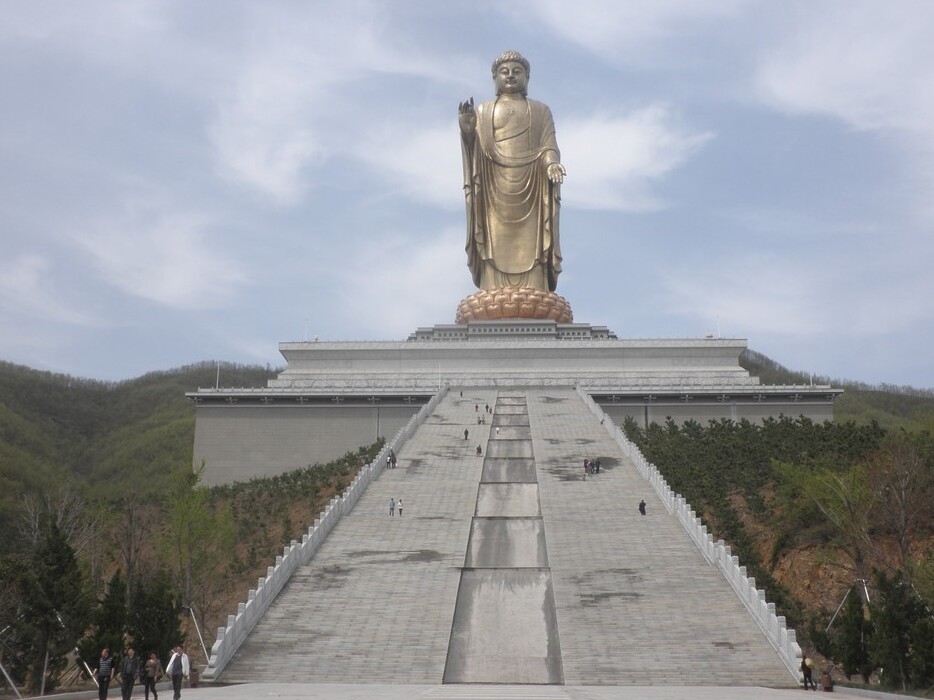
Standing majestically in Luoyang, China, the Spring Temple Buddha is not just an architectural marvel but also a profound symbol of spirituality and cultural significance. At a towering height of 153 meters, this statue is recognized as the tallest in the world, a feat that took over a decade to complete, beginning in 1997 and culminating in 2008. Its impressive stature is amplified by the 20-meter tall lotus throne upon which it rests, composed of 1,100 pieces of copper cast. The statue derives its name from the hot springs near the site, which have long been associated with healing and tranquility, making this location a revered pilgrimage destination.
### History and Origins The history of the Spring Temple Buddha is deeply intertwined with Buddhism and the spiritual landscape of China. The site itself is believed to have been a place of worship for centuries, with monks and pilgrims drawn to the natural hot springs that bubble beneath the earth. The decision to construct the statue was influenced by the growing popularity of Buddhism in the region and the desire to create a grand homage to the Maitreya Buddha, the future Buddha in Buddhist tradition. The project, which reportedly cost around $55 million, was initiated by the local government to promote tourism and cultural heritage, reflecting China's commitment to preserving and celebrating its rich spiritual history.
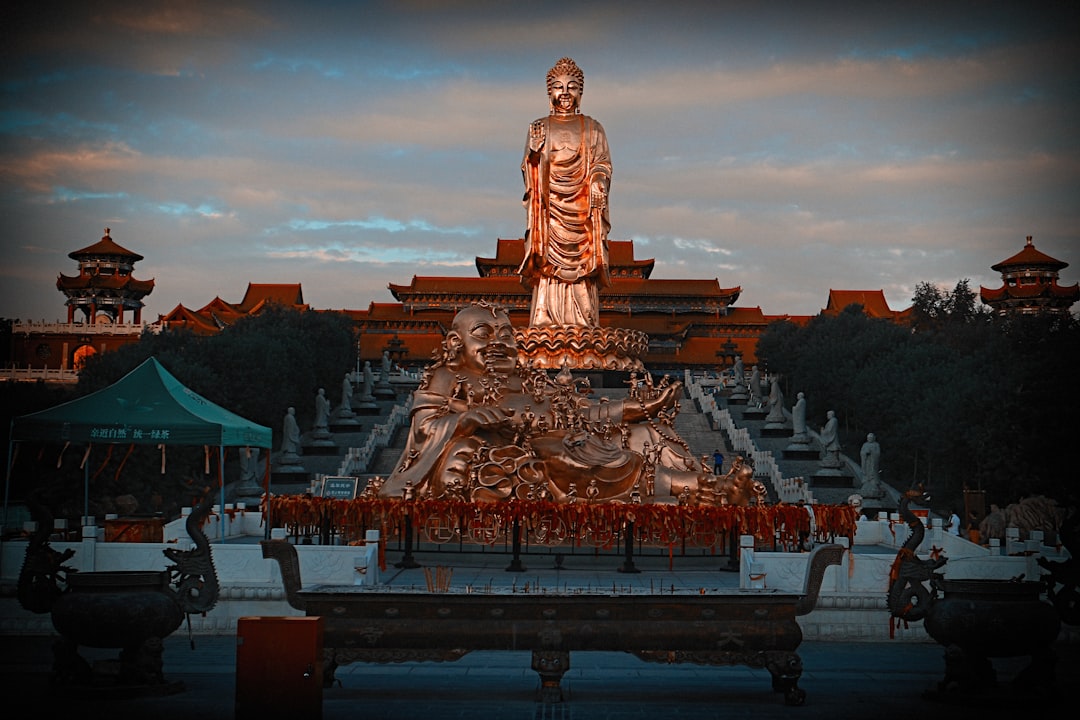
### Art and Architecture Architecturally, the Spring Temple Buddha displays a blend of traditional Chinese and modern design elements. The statue is crafted in the Chinese Buddhist style, showcasing intricate details that reflect the artistry of skilled artisans. Its serene expression and graceful posture convey a sense of peace and compassion, inviting visitors to reflect on their inner selves. Surrounding the statue are several smaller figures and reliefs depicting scenes from Buddhist teachings, creating an immersive environment steeped in spirituality. The lotus throne, symbolizing purity and enlightenment, enhances the statue's grandeur, making it a central piece in the Zhongnan Mountains, where it harmonizes with the natural landscape.
### Local Culture and Traditions The area around the Spring Temple Buddha is rich in local culture and traditions. Buddhism has played a significant role in shaping the customs of the people in Luoyang. Festivals such as the Buddha's Birthday, celebrated on the eighth day of the fourth month of the lunar calendar, attract thousands of devotees who come to pay their respects and participate in rituals. During this event, the faithful engage in chanting, offering flowers, and lighting incense in a display of devotion. The local community also hosts various ceremonies throughout the year, fostering a sense of unity and spiritual connection among residents and visitors alike.
### Gastronomy No visit to Luoyang would be complete without savoring its culinary delights. The region is known for its Luoyang Water Banquet, a traditional feast featuring a variety of light dishes served in a broth, symbolizing the area's agricultural heritage. Visitors can also indulge in steamed buns, noodles, and pickled vegetables, which are staples of the local diet. The use of fresh, local ingredients showcases the flavors of Henan province, making each meal an exploration of the region's agricultural bounty. For a refreshing drink, try Buddha tea, a herbal infusion that is said to promote relaxation and mindfulness, perfectly complementing a visit to this serene site.
### Lesser-Known Curiosities While the grandeur of the statue is captivating, there are lesser-known curiosities that often slip under the radar. For instance, the Spring Temple Buddha is not just a visual spectacle; it also features a complex internal structure that houses a small exhibition hall dedicated to Buddhist history and teachings. Additionally, the site includes several smaller temples and shrines that are often overlooked by tourists, providing a more intimate glimpse into Buddhist practices. Perhaps one of the most surprising facts is that this monumental statue faces India, the birthplace of Buddhism, symbolizing a spiritual connection across continents.
### Practical Visitor Information For those planning to visit the Spring Temple Buddha, the best time is during the spring and autumn months (April to June and September to November) when the weather is mild and pleasant. It’s advisable to arrive early in the day to avoid crowds and fully experience the serene atmosphere. Be sure to wear comfortable shoes as the site involves walking through expansive grounds, and don’t forget to bring a camera to capture the breathtaking views. Look out for the exhibitions and chanting sessions that often occur throughout the day, offering a deeper understanding of the local traditions and spiritual practices.
Visiting the Spring Temple Buddha is more than just a sightseeing trip; it is a journey into the heart of Buddhist culture and a chance to connect with centuries of tradition. To enhance your experience in Luoyang, consider using the Secret World app to plan a personalized AI itinerary tailored to your interests.