
← Back

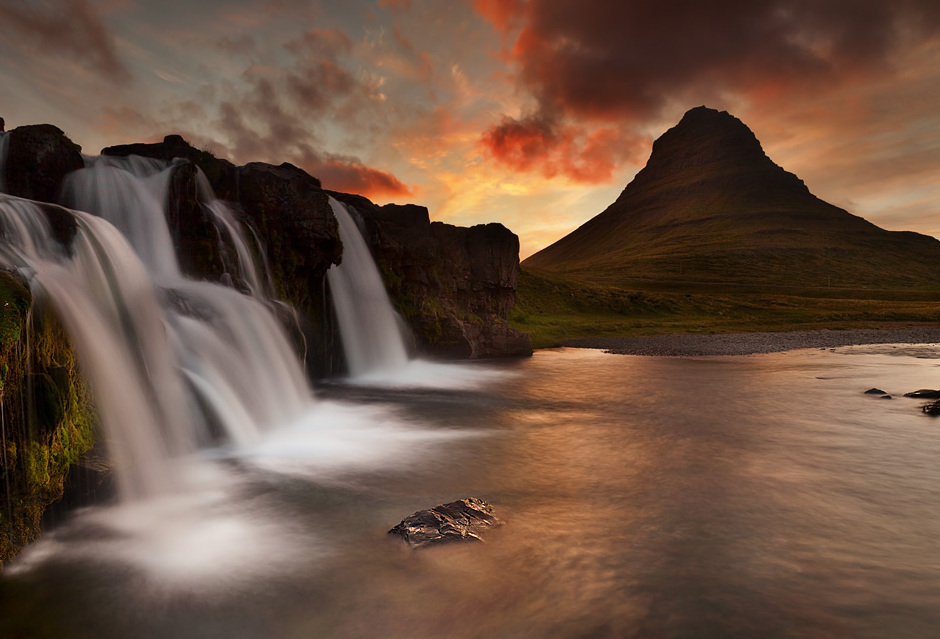
Snæfellsjökull is a famous Icelandic glacier

Snæfellsjökull, Islanda ★★★★☆ 449 views
Sofie Dequenne
Snæfellsjökull
🏆 AI Trip Planner 2026

Get the free app

Discover the best of Snæfellsjökull with Secret World — the AI trip planner with 1M+ destinations. Get personalized itineraries, hidden gems and local tips. Free on iOS & Android.

🧠 AI Itineraries 🎒 Trip Toolkit 🎮 KnowWhere Game 🎧 Audio Guides 📹 Videos
Scan to download iOS / Android
Scan for AppGallery Huawei users

About Snæfellsjökull is a famous Icelandic glacier

Snæfellsjökull is a famous Icelandic glacier - Snæfellsjökull | Secret World Trip Planner

The Snæfellsjökull glacier, a majestic crown atop the Snæfell volcano, rises dramatically in the westernmost reaches of the Snæfellsnes peninsula in Iceland. This iconic landmark is not just a natural wonder; it is a portal to the rich tapestry of Icelandic history, culture, and mythology.

### History and Origins

The origins of Snæfellsjökull trace back to a time long before the first settlers arrived in Iceland around 874 AD. The area is steeped in Norse mythology, often linked to Snæfell, which translates to "snow mountain." This glacier has long been a source of inspiration and fear, with tales of hidden powers and mystical energies swirling around it.

The renowned French author Jules Verne immortalized Snæfellsjökull in his classic novel Journey to the Center of the Earth, published in 1864. His protagonist, Professor Lidenbrock, discovers a passage to the Earth's core beneath the glacier, effectively placing this Icelandic gem on the literary map. The mountain's intriguing shape and dramatic landscapes have drawn explorers and adventurers for centuries, making it a site of fascination and study.

### Art and Architecture

While Snæfellsjökull is primarily a natural wonder, its artistic significance cannot be understated. The surrounding landscapes have inspired numerous artists and photographers, capturing its ethereal beauty against the backdrop of the rugged Icelandic terrain. The nearby Djúpalónssandur beach, with its smooth black pebbles and dramatic cliffs, serves as a canvas where nature's artistry unfolds.

Architecturally, the region is dotted with charming fishing villages, including Arnarstapi and Hellnar, where traditional Icelandic turf houses can be admired. These structures, with their grass-covered roofs, showcase the adaptation of local architecture to the harsh climate, blending harmoniously with the landscape.

### Local Culture and Traditions

Snæfellsjökull is woven into the local culture, with many customs and traditions reflecting its significance. The Snæfellsnes peninsula is known for its annual Látrabjarg Festival, which celebrates the vibrant local community and the stunning natural environment. Music, dance, and storytelling are integral parts of the festivities, with many locals sharing tales of the glacier and the spirits believed to inhabit it.

Moreover, the area is steeped in folklore, featuring stories of elves, trolls, and hidden people, believed to inhabit the rocky outcrops surrounding the glacier. These narratives foster a deep connection between the people and their land, enriching the cultural fabric of the region.

### Gastronomy

When visiting Snæfellsjökull, the local cuisine offers a delightful exploration of Icelandic flavors. Traditional dishes often include harðfiskur (dried fish) served with butter, and skyr, a creamy yogurt-like product that is a staple in Icelandic diets. The coastal villages pride themselves on their fresh seafood, particularly cod and lobster, which are often prepared in traditional ways.

Local eateries are known for their warm hospitality, where you can savor hearty stews and fresh-baked rye bread, often accompanied by a glass of Brennivín, Iceland's signature schnapps. The culinary scene pays homage to the bounty of the land and sea, making it a crucial part of the Snæfellsnes experience.

### Lesser-known Curiosities

Despite its popularity, Snæfellsjökull holds secrets waiting to be uncovered. One fascinating detail is the presence of a crater named Snæfellsjökull crater, which is often overlooked by visitors. The glacier is also home to one of Iceland's most active volcanoes, which last erupted in 250 AD. This geological activity has shaped the landscape, creating unique features such as lava fields and stunning rock formations.

Additionally, the glacier's mystical aura has led to its designation as a national park in 2001, protecting its diverse ecosystems and rich wildlife. Birdwatchers can spot endemic species, while hikers may discover the hidden trails that offer breathtaking views of the surrounding fjords and the Atlantic Ocean.

### Practical Visitor Information

The best time to visit Snæfellsjökull is during the summer months, from June to August, when the days are long and temperatures are mild. This period is ideal for hiking and exploring the surrounding areas. However, winter also brings its own magic, with opportunities for ice climbing and witnessing the northern lights casting a glow over the glacier.

When planning your visit, consider stopping at the Snæfellsjökull National Park Visitor Center for maps and information. The park offers various trails suitable for all levels, allowing you to immerse yourself in the breathtaking landscapes. Don't forget your camera; the views from the summit are nothing short of spectacular.

To enhance your journey, consider using the Secret World app to craft a personalized AI itinerary that includes all the hidden gems around Snæfellsjökull.

🗺 La app de los tesoros hispanos

Plan your visit to Snæfellsjökull

Suggested itinerary near Snæfellsjökull is a famous Icelandic glacier

MAJ+
500.000+ travelers worldwide
  1. 🌅
    Morning
    Snæfellsjökull is a famous Icelandic glacier
    📍 Snæfellsjökull
  2. ☀️
    Afternoon
    Vatnshellir: The Lava Tube Beneath Iceland's Glacier
    📍 6.8 km · Snæfellsjökull
  3. 🌆
    Evening
    Londrangar, the cliffs on the coast of Snaefellsnes
    📍 7.8 km · Snæfellsjökull

Buy Unique Travel Experiences

Powered by Viator

See more on Viator.com

Explore nearby · Snæfellsjökull

Frequently Asked Questions

Snæfellsjökull was immortalized by renowned French author Jules Verne in his classic 1864 novel 'Journey to the Center of the Earth,' where the glacier serves as the entrance to a passage leading to Earth's core. This literary connection has made the Icelandic glacier famous worldwide and drawn countless explorers and adventurers to the site for centuries.
Snæfellsjökull translates to 'snow mountain' from Norse, with 'Snæfell' meaning snow mountain and 'jökull' meaning glacier. The name reflects the glacier's prominent position atop the Snæfell volcano in Iceland's westernmost Snæfellsnes peninsula.
The region around Snæfellsjökull is dotted with charming fishing villages including Arnarstapi and Hellnar, where visitors can admire traditional Icelandic turf houses with grass-covered roofs. These villages showcase the adaptation of local architecture to Iceland's harsh climate while blending harmoniously with the dramatic landscape.
The nearby Djúpalónssandur beach features smooth black pebbles and dramatic cliffs that serve as a stunning natural canvas of Iceland's raw beauty. This striking beach complements the ethereal landscapes surrounding Snæfellsjökull, making it a perfect destination for photographers and nature enthusiasts.
Snæfellsjökull is deeply rooted in Norse mythology and has long been associated with tales of hidden powers and mystical energies. The glacier's intriguing shape and dramatic landscapes have fascinated explorers for centuries, making it a site of both cultural significance and legendary intrigue in Icelandic heritage.