
← Back

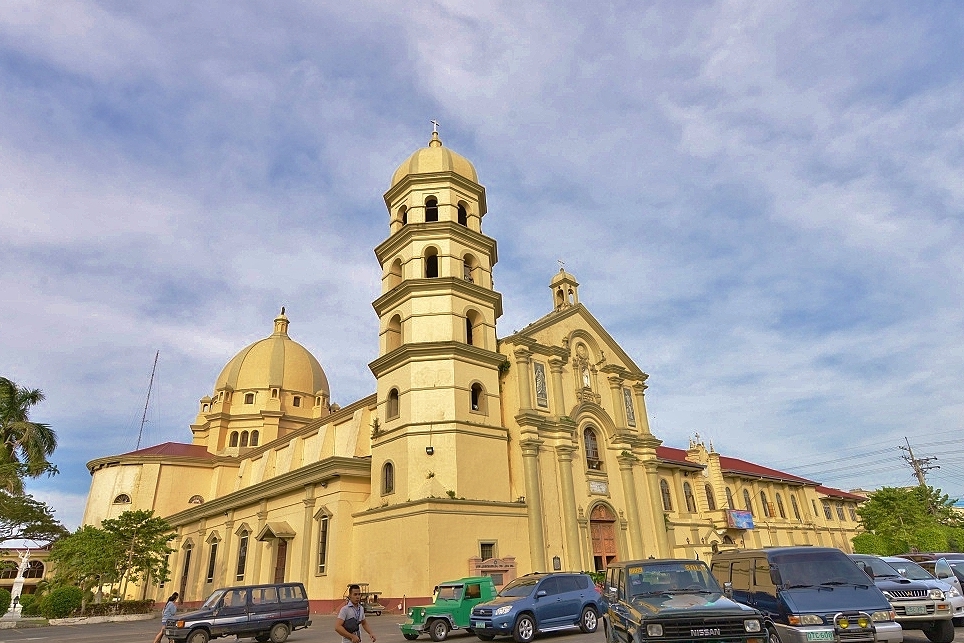
San Sebastian Cathedral, Lipa

C.M. Recto Ave, G Solis St, Lipa, 4217 Batangas, Filippine ★★★★☆ 1,167 views
Lana De Blase
Lipa
🏆 AI Trip Planner 2026

Get the free app

Discover the best of Lipa with Secret World — the AI trip planner with 1M+ destinations. Get personalized itineraries, hidden gems and local tips. Free on iOS & Android.

🧠 AI Itineraries 🎒 Trip Toolkit 🎮 KnowWhere Game 🎧 Audio Guides 📹 Videos
Scan to download iOS / Android
Scan for AppGallery Huawei users

About San Sebastian Cathedral, Lipa

San Sebastian Cathedral, Lipa - Lipa | Secret World Trip Planner

The San Sebastian Cathedral in Lipa, Batangas, is a mesmerizing testament to resilience and faith, drawing visitors into its serene embrace. As I stepped inside, the vibrantly colored frescoes of the domed ceiling held my gaze, illuminating the space with a soft glow that harmonized beautifully with the cathedral's cool interior. The experience was not just a sight but a multi-sensory journey into the heart of a community deeply rooted in its spiritual heritage.

### History and Origins

The cathedral's history dates back to the early days of Spanish colonization in the Philippines. Originally established as a parish in 1850, it was named after Saint Sebastian, a martyr whose story of faith resonated well with the local populace. In 1945, during World War II, the cathedral suffered extensive damage, yet it was rebuilt, showcasing the unwavering spirit of the local community.

The church was notably relocated due to the Taal Volcano's eruption in 1754, which submerged the original structure. This event marked a pivotal moment in Lipa's history, leading to the establishment of the current cathedral on its present site in 1952. The enduring faith of the parishioners and the community's dedication to restoration underscore the cathedral's significance as a historical and cultural landmark.

### Art and Architecture

San Sebastian Cathedral is an excellent example of Romanesque architecture, characterized by its grand arches, thick walls, and beautiful stonework. Its facade is adorned with intricate details that reflect the artistry of the time, while the interior captivates with its rich frescoes and spacious nave. The dome, featuring small windows that filter in light, creates an ethereal atmosphere conducive to meditation and prayer.

Among the notable artworks within are the life-sized figures of saints and the imposing altar that serves as the focal point of worship. The craftsmanship of these pieces reflects the deep religious sentiments of the community and adds to the cathedral's artistic significance. Every corner of the church tells a story, inviting visitors to explore its profound heritage.

### Local Culture and Traditions

The cultural importance of San Sebastian Cathedral extends beyond its architectural beauty. It serves as a central hub for local customs and traditions, particularly during significant religious events. One such tradition is the Visita Iglesia, wherein locals and visitors alike embark on a pilgrimage to seven churches on Holy Thursday. This practice not only deepens the spiritual experience but also fosters a sense of community among participants.

Throughout the year, the cathedral hosts various festivals, including the Feast of Saint Sebastian on January 20, which celebrates the patron saint. The festivities are marked by vibrant processions, traditional music, and communal prayers, reflecting the rich tapestry of Lipa's cultural life. Visitors during this time can witness the fervor of devotion and the unity of the community.

### Gastronomy

Exploring the flavors of Lipa is an essential part of the visit, and the area is known for its delectable local cuisine. One must-try dish is Lomi, a hearty noodle soup made with thick egg noodles, a savory broth, and various toppings such as pork, vegetables, and an egg. Another local delicacy is Kapeng Barako, a robust coffee known for its strong flavor and aroma, grown in the highlands surrounding Lipa.

For those with a sweet tooth, Buko Pie, a coconut custard pie, is a delightful treat that showcases the bountiful local produce. These dishes not only tantalize the taste buds but also offer a glimpse into the culinary heritage of the region, deeply intertwined with its agricultural traditions.

### Lesser-Known Curiosities

While many are drawn to the cathedral's grandeur, there are lesser-known details that enrich its story. For instance, many visitors miss the hidden crypt beneath the church, where the remains of former bishops and significant figures of the diocese are interred. Additionally, the cathedral's bell tower, which houses several bells, has been a silent witness to the significant events in Lipa's history, ringing to mark both joyous and solemn occasions.

Another intriguing aspect is the local lore surrounding the cathedral. Some believe that the church is a site of miracles, with numerous accounts of answered prayers and healing experiences attributed to the intercession of Saint Sebastian. This spiritual connection adds a layer of mystique to the cathedral, making it a place of pilgrimage for many.

### Practical Visitor Information

The best time to visit San Sebastian Cathedral is during the cooler months from November to February, when the weather is more pleasant for exploration. Arriving early in the morning or late afternoon can provide a quieter atmosphere, perfect for reflection and contemplation.

When exploring the cathedral, take your time to admire the intricate details and soak in the ambiance. Be sure to bring a camera to capture the stunning architecture and the vibrant colors of the frescoes. Additionally, participating in a local mass can provide a deeper understanding of the community's faith and traditions.

For those looking to plan a visit, consider downloading the Secret World app to create a personalized itinerary that captures the essence of Lipa’s rich history and culture.

🗺 La app de los tesoros hispanos

Plan your visit to Lipa

Suggested itinerary near San Sebastian Cathedral, Lipa

MAJ+
500.000+ travelers worldwide
  1. 🌅
    Morning
    San Sebastian Cathedral, Lipa
    📍 Lipa
  2. ☀️
    Afternoon
    Taal Lake in the Philippines
    📍 15.8 km · Lipa
  3. 🌆
    Evening
    Taal Volcano's Crater Lake: A Hidden Paradise
    📍 19.3 km · Lipa

Buy Unique Travel Experiences

Powered by Viator

See more on Viator.com

Explore nearby · Lipa

Frequently Asked Questions

San Sebastian Cathedral was originally established as a parish in 1850 during Spanish colonization and named after Saint Sebastian, a martyr. The cathedral was relocated to its present site in 1952 following the 1754 Taal Volcano eruption that submerged the original structure, and it was rebuilt after suffering extensive damage during World War II in 1945.
San Sebastian Cathedral is an excellent example of Romanesque architecture, characterized by its grand arches, thick walls, and beautiful stonework. The interior features a stunning dome with small windows that filter light to create an ethereal atmosphere, along with vibrant colored frescoes on the domed ceiling.
Inside the cathedral, visitors can admire life-sized figures of saints, an imposing altar as the focal point of worship, and vibrantly colored frescoes illuminating the domed ceiling. The spacious nave and intricate stonework throughout the structure showcase the deep religious sentiments and craftsmanship of the period.
The cathedral was relocated due to the catastrophic eruption of Taal Volcano in 1754, which submerged the original structure. This pivotal event in Lipa's history led to the establishment of the current cathedral on its present site in 1952, marking the community's resilience and unwavering faith.
San Sebastian Cathedral is significant as a testament to the community's resilience and faith, having survived the devastating 1754 Taal Volcano eruption and World War II damage. The cathedral serves as a historical and cultural landmark that reflects the deep spiritual heritage of Lipa and the enduring dedication of parishioners to its restoration and preservation.