
1. Choose Your Playground: Ionian or Cyclades?
Greece isn’t just “Greek islands”—it’s a whole buffet of sailing playgrounds.

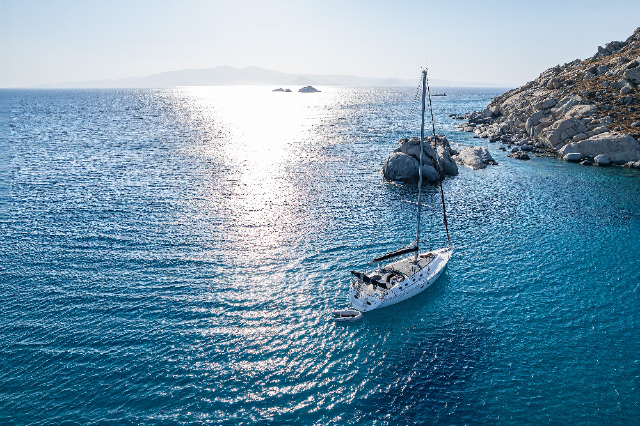
Ionian Islands:
Think mellow winds, short hops, green scenery, and friendly locals who won’t laugh too hard at your first attempt at docking. Best for beginners and families. Corfu, Lefkada, Kefalonia—each a gem, none trying to kill you with wind.
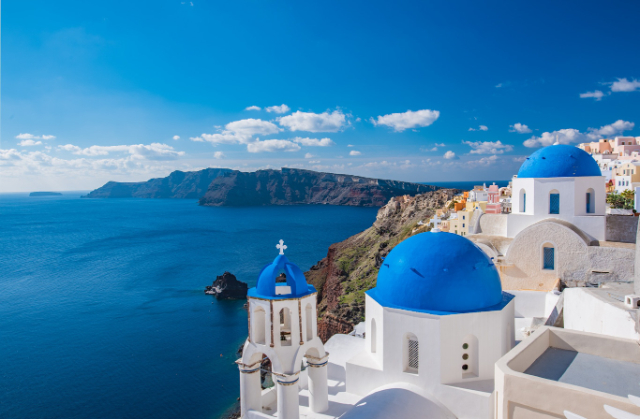
Cyclades:
Iconic Santorini, party-loving Mykonos, and white-and-blue villages perched on cliffs. But beware: the “meltemi” wind in summer can turn your “relaxing cruise” into an extreme sport. Gorgeous, but not always for the faint-hearted rookie.
Pro tip: First-timers, start with the Ionian. Cyclades are best once you’ve found your sea legs (and know what “reef the mainsail” actually means).
2. Pick the Right Yacht (and Crew)
Bareboat charter: You’re the captain. Requires proof of competence (an ICC or RYA Day Skipper license usually does the trick). You’ll need at least one “competent crew” too (your friend who gets seasick looking at a swimming pool doesn’t count).
Skippered charter: Pay a pro to drive the boat while you work on your tan. Zero stress, more local tips, and someone to blame if you get lost.
Crewed charter: If you want to do nothing but enjoy, get a chef, a skipper, and a deckhand. Just don’t ask the chef to tie knots.
If you’re booking with a pro like 12 Knots, they’ll match you with the right boat and skipper for your vibe—whether it’s family chill, friend fiesta, or something in between.
3. Timing Is Everything
May–June or September–October:
Perfect weather, fewer crowds, and lower prices. The sea’s warm, the ports aren’t a madhouse, and you can actually get a table at a waterfront taverna.
July–August:
High season = higher prices, packed anchorages, and the famous meltemi wind. Fun if you love chaos (and can handle wind), but not beginner-friendly.
4. Planning Your Route: Keep It Realistic
Everyone wants to “see all the islands.” Spoiler: you won’t. Distances look small on a map but factor in the weather, crew moods, and your ability to get out of bed after too much local wine.
Plan 2–4 hours of sailing a day max.
Mix it up: anchor in quiet coves one night, dock in lively towns the next.
Have a plan B for when the weather turns. (It’s the Med, not a bathtub.)
5. Packing Smart
Soft bags only. Leave the hard suitcases (and half your wardrobe) at home. Bring:
Deck shoes and flip-flops
Reef-safe sunscreen (Greek sun does not play around)
Light jackets (nights can be breezy)
Snorkel gear, travel games, a power bank, and—please—motion sickness tablets if you even think you might need them
6. The Basics of Mooring & Etiquette
Med mooring: You’ll probably have to reverse into a spot, which is about as much fun as it sounds. Watch some YouTube videos beforehand and don’t panic if the whole waterfront is watching—you’ll do fine (eventually).
Bring gifts: A bottle of wine or snacks for your skipper goes a long way.
Be polite to fellow sailors—today’s neighbor might be tomorrow’s rescuer.
7. Local Laws & Culture
Don’t drop anchor on seagrass meadows—it’s a real issue in Greece.
Tipping isn’t mandatory, but it’s appreciated (usually 5–10% of charter fee for the crew).
Greek tavernas love yachties. Don’t be afraid to ask for local tips—or more bread.
8. Why Book with 12 Knots?
Simple: They handle the paperwork, help you choose the right route, yacht, and crew, and make sure you don’t accidentally book a boat that’s “rustic” (code for “bring your own bucket”). Their team knows the Greek islands inside out, so you get real advice, not travel agent nonsense.