
← Back

Roman Villa of Ronchi dei Legionari

Via Aeroporto, 34077 Ronchi dei Legionari GO, Italia ★★★★☆ 307 views
Maya Kim
Ronchi dei Legionari
🏆 AI Trip Planner 2026

Get the free app

Discover the best of Ronchi dei Legionari with Secret World — the AI trip planner with 1M+ destinations. Get personalized itineraries, hidden gems and local tips. Free on iOS & Android.

🧠 AI Itineraries 🎒 Trip Toolkit 🎮 KnowWhere Game 🎧 Audio Guides 📹 Videos
Scan to download iOS / Android
Scan for AppGallery Huawei users

About Roman Villa of Ronchi dei Legionari

Roman Villa of Ronchi dei Legionari - Ronchi dei Legionari | Secret World Trip Planner

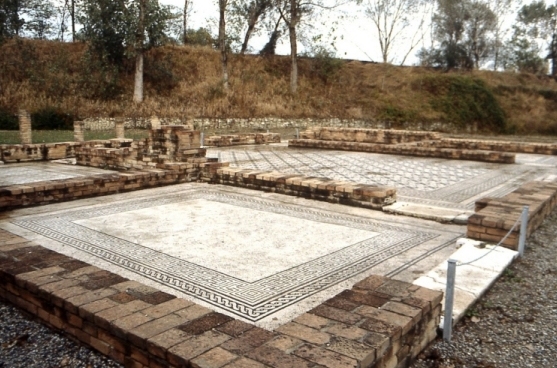
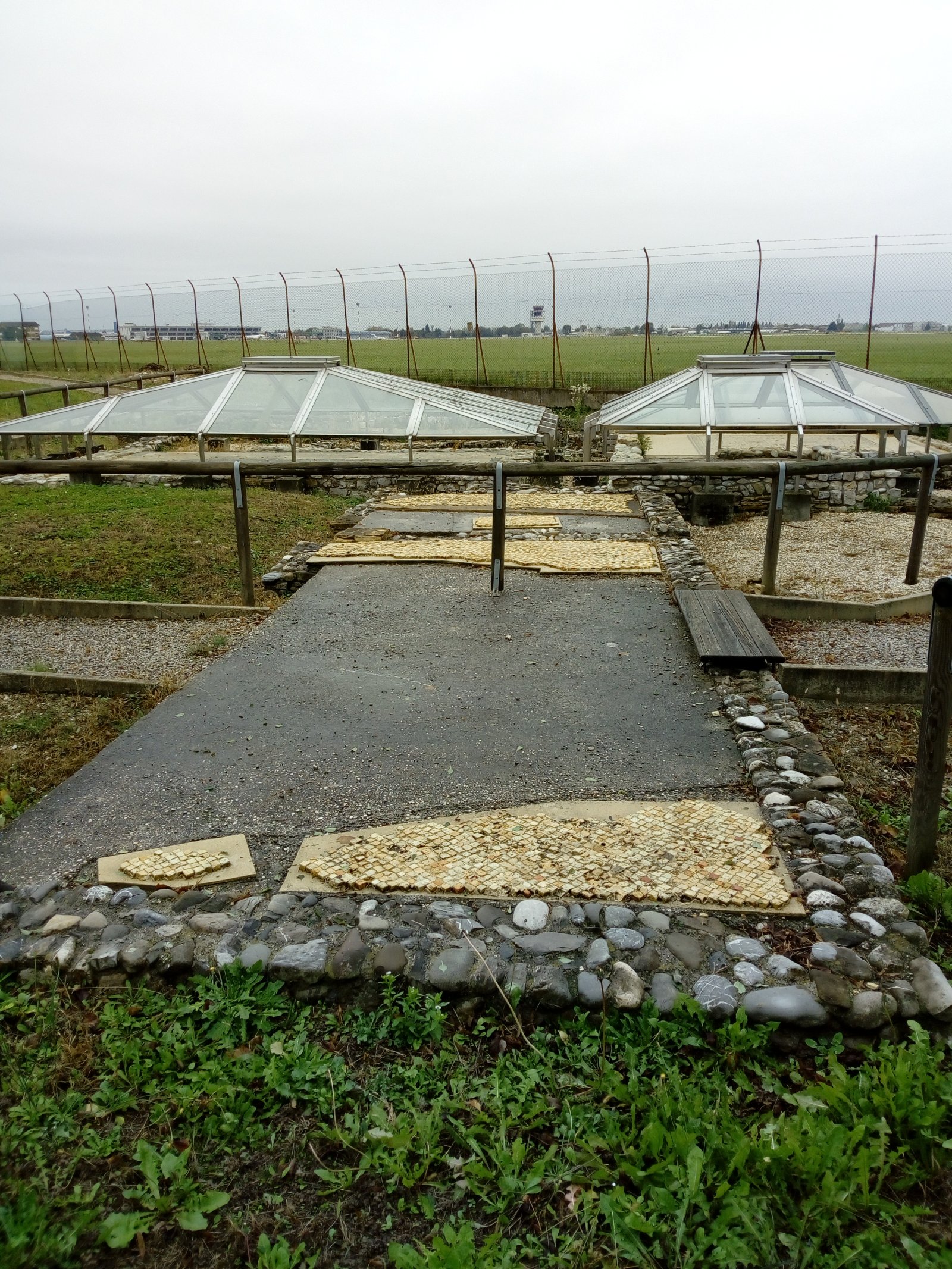
The archaeological complex was identified at the end of the eighties of the last century following work on the aqueduct and was brought to light and restored in the course of several interventions, until 2007. The structures belong to a Roman villa rustica - of which only the eastern portion has been excavated, as the remaining part falls within the state property of the adjacent airport - built and restored in several stages, between the middle of the first century BC and the third century AD and finally destroyed by fire. The areas belonging both to the urban pars, the area destined to the residence of the dominus (the owner), and to the area dedicated to work activities, have been recognized. In the former case, the reception rooms overlook open spaces (a colonnaded portico, open onto the countryside or a garden, and a probable internal courtyard) and are characterized by the floor decoration with polychrome mosaics or black/white geometric patterns embellished with marble inlays (restored and visible in their original position), while in a room intended for resting one can recognize a suspensurae heating system (floor raised by brick columns that allowed the circulation of hot air provided by a separate boiler), which also served a large mosaic room for banquets. The rooms of the rustic sector, less spacious and elegant, are instead articulated around a large courtyard connecting with the urban pars, where the main activities of the villa took place, perhaps related to the processing of agricultural products.The characteristic that distinguishes the two parts is the different height at which they were built: the rooms intended for the dominus are in fact at a higher level, sheltered from any flooding of the river that once flowed a short distance away. The visiting route is equipped with a walkway that crosses the complex and allows you to appreciate the articulation of the villa and admire the mosaics of three of the most sumptuous rooms, restored and equipped with a roof. A panel with axonometric reconstructions illustrates the different building phases and the main characteristics of the structure.

Roman Villa of Ronchi dei Legionari - Ronchi dei Legionari | Secret World Trip Planner
🗺 La app de los tesoros hispanos

Plan your visit to Ronchi dei Legionari

Suggested itinerary near Roman Villa of Ronchi dei Legionari

MAJ+
500.000+ travelers worldwide
  1. 🌅
    Morning
    Roman Villa of Ronchi dei Legionari
    📍 Ronchi dei Legionari
  2. ☀️
    Afternoon
    Birdwatching: Isonzo Mouth Reserve
    📍 8.2 km · Ronchi dei Legionari
  3. 🌆
    Evening
    Mitreo Cave (Duino Aurisina)
    📍 9.7 km · Ronchi dei Legionari

Buy Unique Travel Experiences

Powered by Viator

See more on Viator.com

Explore nearby · Ronchi dei Legionari

Frequently Asked Questions

The Roman Villa of Ronchi dei Legionari is an archaeological complex featuring a Roman villa rustica that was constructed and restored between the middle of the first century BC and the third century AD. The site was discovered in the late 1980s during aqueduct work and has been excavated and restored through 2007, revealing both the residential quarters of the owner and the working areas of the villa.
The villa features impressive polychrome mosaics and black-and-white geometric patterns embellished with marble inlays in the reception rooms, which have been restored and are visible in their original positions. You can admire the mosaics of three of the most sumptuous rooms along the designated walkway, including a large mosaic room that was used for banquets and had an advanced heating system beneath its floor.
Only the eastern portion of the villa has been excavated, as the remaining western part falls within the state property boundaries of the adjacent airport. This geographical constraint has prevented a complete excavation of the complex, though the exposed section provides substantial insight into both the luxurious residential areas and the working quarters of the villa.
The dominus (owner's) area featured luxurious reception rooms with polychrome mosaics, marble inlays, and amenities like underfloor heating systems, while the rustic sector contained simpler working rooms arranged around a large courtyard for agricultural processing. The two sections were built at different heights, with the residential area deliberately elevated to protect it from flooding by a nearby river.
The villa featured a sophisticated suspensurae heating system, which consisted of a floor raised by brick columns that allowed hot air from a separate boiler to circulate underneath. This advanced Roman engineering heated both a resting room and the large mosaic banquet hall, demonstrating the comfort and technology available to wealthy villa owners during this period.