← Back

Pretoria Fountain

Piazza Pretoria, 90133 Palermo, Italia ★★★★☆ 278 views
Katia Morteni
Palermo
🏆 AI Trip Planner 2026

Get the free app

Discover the best of Palermo with Secret World — the AI trip planner with 1M+ destinations. Get personalized itineraries, hidden gems and local tips. Free on iOS & Android.

🧠 AI Itineraries 🎒 Trip Toolkit 🎮 KnowWhere Game 🎧 Audio Guides 📹 Videos
Scan to download iOS / Android
Scan for AppGallery Huawei users

About Pretoria Fountain

Pretoria Fountain - Palermo | Secret World Trip Planner

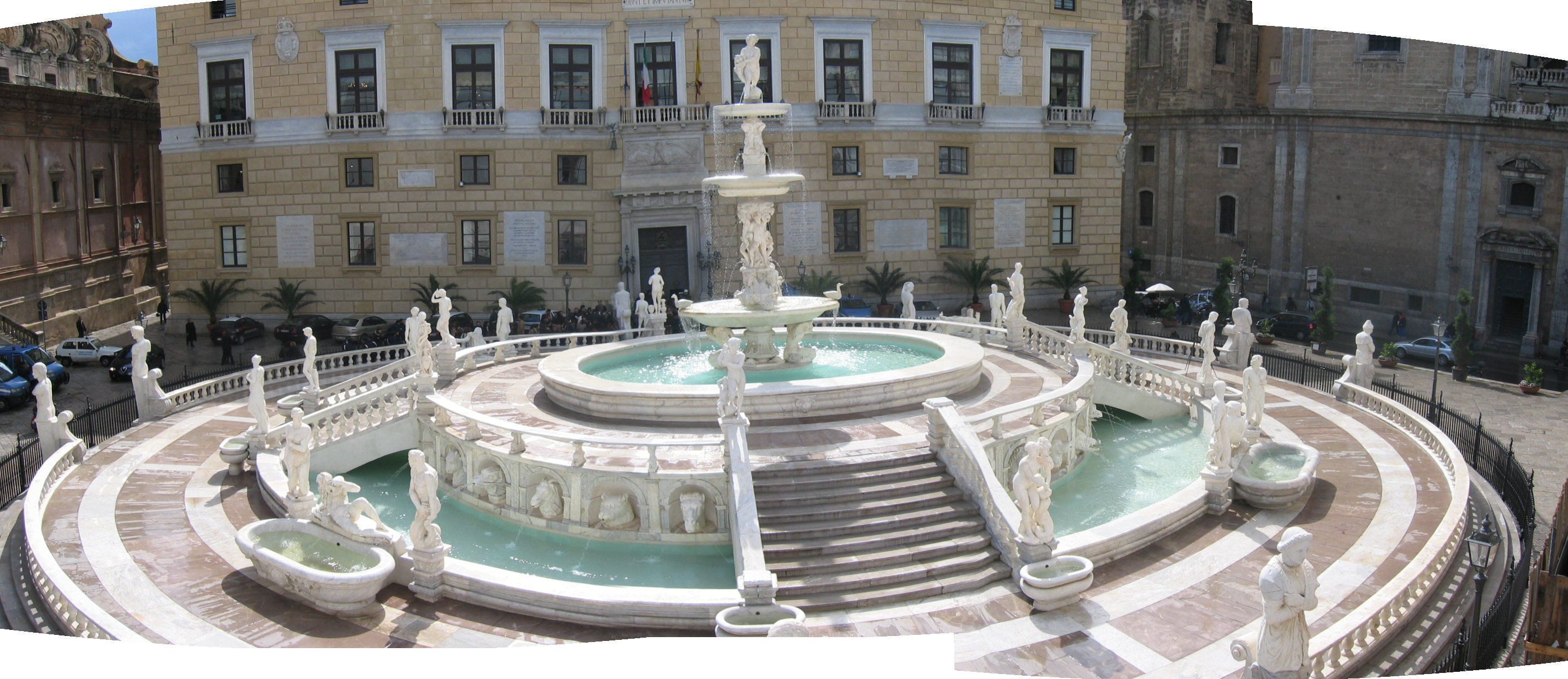
The Pretoria Fountain, located in the square of the same name in Palermo, is one of the most representative symbols of the Sicilian capital, considered by many to be one of the most beautiful fountains in Italy. Renamed by the people of Palermo as "Piazza della Vergogna," because of the nudity of the statues that compose it, its history is quite unique and deserves to be told. Perhaps not everyone knows that initially this fountain was designed and built in Tuscany, and then later transported to Palermo. It all began in the mid-1500s, when Spanish nobleman Don Luigi Toledo, brother of Duchess Eleonora di Toledo and father-in-law of Cosimo I de' Medici Grand Duke of Tuscany, decided to embellish the garden of his villa in Florence with a monumental fountain. The work was entrusted to sculptors Francesco Camilliani and Michelangelo Naccherino and included 48 statues representing mythological figures and cherubs. But in 1552 Don Luigi Toledo died and his son, up to his neck in debt, decided to put the fountain up for sale. It was not difficult to find a buyer, as the fountain was considered by many to be a masterpiece of art, and so it was purchased by the Palermo senate to be placed in front of the Praetorian Palace. The senate cared so much about this masterpiece that several houses were even demolished in order to make room for the monument. And so the fountain was disassembled, loaded onto ships, brought to Palermo, and then reassembled under the supervision of Camillo Camilliani, son of Francesco, who completed his work in 1581.
Pretoria Fountain - Palermo | Secret World Trip Planner

In the center of the fountain we find a cherub pouring water, nicknamed "The Genius of Palermo," while all around are statues representing various mythological figures, such as Venus, Adonis, Hercules, Bacchus, Apollo, Diana and Pomona and an allegorical representation of Palermo's rivers: the Oreto, Papireto, Gabriele and Maredolce.


🗺 La app de los tesoros hispanos

Plan your visit to Palermo

Suggested itinerary near Pretoria Fountain

MAJ+
500.000+ travelers worldwide
  1. 🌅
    Morning
    Pretoria Fountain
    📍 Palermo
  2. ☀️
    Afternoon
    Constance of Aragon's crown
    📍 0 km · Palermo
  3. 🌆
    Evening
    Piazza Vigliena in Palermo
    📍 0 km · Palermo

Buy Unique Travel Experiences

Powered by Viator

See more on Viator.com

Explore nearby · Palermo

Frequently Asked Questions

Local Palermitans nicknamed the square 'Piazza della Vergogna' (Square of Shame) because of the nudity depicted in the statues that compose the fountain. Despite this controversial aspect, the fountain remains one of the most beautiful and representative symbols of the Sicilian capital.
The fountain was originally designed and built in Tuscany during the mid-1500s for Don Luigi Toledo's villa garden in Florence. After Toledo's death in 1552, his debt-ridden son sold this masterpiece to the Palermo senate, who then transported and reassembled it in front of the Praetorian Palace.
The fountain was originally created by renowned sculptors Francesco Camilliani and Michelangelo Naccherino, featuring 48 statues of mythological figures and cherubs. The reassembly in Palermo was completed in 1581 under the supervision of Camillo Camilliani, the son of Francesco.
The fountain features a central cherub nicknamed 'The Genius of Palermo' pouring water, surrounded by statues representing mythological figures including Venus, Adonis, Hercules, Bacchus, Apollo, Diana, and Pomona. Additionally, there are allegorical representations of Palermo's four rivers: the Oreto, Papireto, Gabriele, and Maredolce.
The Palermo senate valued the fountain so highly as a masterpiece of art that they demolished several houses to make adequate space for the monument in the square. This demonstrates the extraordinary importance placed on acquiring and displaying this exceptional Renaissance work in Palermo.