




← Back

Place du Gros-Horloge

Rue du Gros Horloge, 76000 Rouen, Francia ★★★★☆ 158 views
Marika kissinger
Rouen
🏆 AI Trip Planner 2026

Get the free app

Discover the best of Rouen with Secret World — the AI trip planner with 1M+ destinations. Get personalized itineraries, hidden gems and local tips. Free on iOS & Android.

🧠 AI Itineraries 🎒 Trip Toolkit 🎮 KnowWhere Game 🎧 Audio Guides 📹 Videos
Scan to download iOS / Android
Scan for AppGallery Huawei users

About Place du Gros-Horloge

Place du Gros-Horloge - Rouen | Secret World Trip Planner

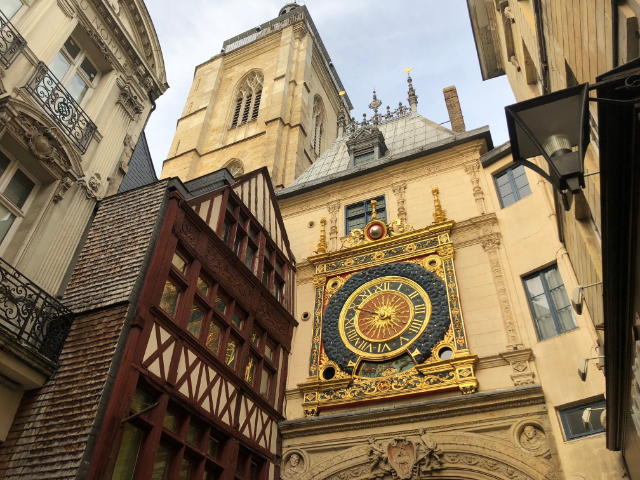
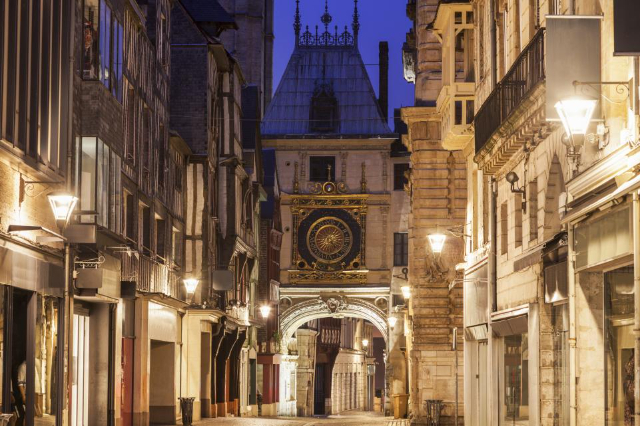
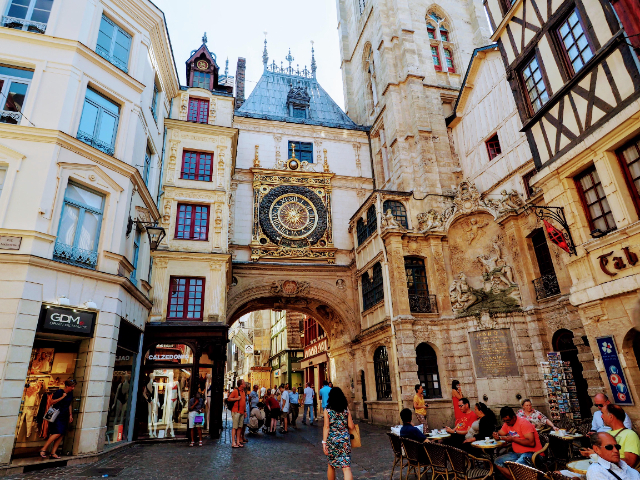
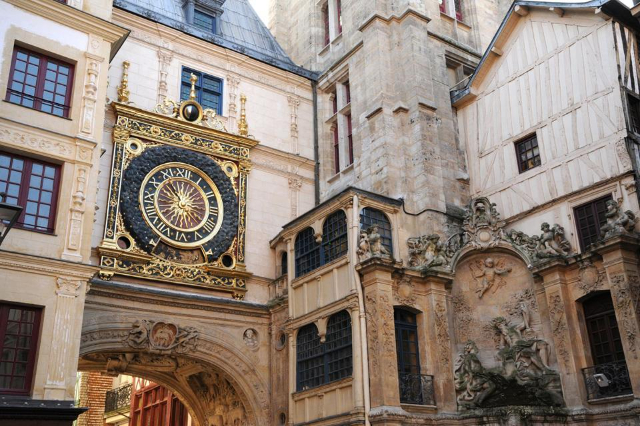
The Place du Gros-Horloge is a famous public square located in the heart of the historic center of Rouen, a city in northern France. The square is named after the large astronomical clock (Gros-Horloge in French) that dominates the center of the square.The Gros-Horloge is a Renaissance clock built in the 16th century. It consists of a large clock face that is supported by two arches and is decorated with numerous figures and symbols representing different aspects of life and the passage of time. The clock also features a bell that rings every hour.The square around the Gros-Horloge is a popular gathering place for locals and tourists. It is surrounded by historic buildings, including the Saint-Maclou Church and the former town hall, which now houses the Ceramics Museum. The square is also home to many cafes, restaurants and stores, making it a great place to relax and enjoy the sights and sounds of the city.Construction of the Gros-Horloge was started in 1389 and completed about two centuries later, in 1527. It was built by Jean de Felin, a watchmaker and engineer who had also worked on the astronomical clock in Strasbourg Cathedral. The Gros-Horloge was originally located inside the city's main gate, but in 1529 it was moved to its current location in the center of the square.The Gros-Horloge has become a symbol of the city of Rouen and has a history full of anecdotes. For example, during the French Revolution, the clock was vandalized and its gears destroyed. However, in 1801, French engineer Jean-Baptiste Lepaute was commissioned to repair the clock and replace its gears. Lepaute worked on Gros-Horloge for 15 months and eventually succeeded in restoring the clock to its full functionality.In addition, the Gros-Horloge also has an important symbolic function: its hands represent divine justice and its bell rings every hour to symbolize the passage of time and the end of human life.Overall, the Place du Gros-Horloge is a beautiful and historic square, representing one of the most striking places in Rouen and France.
Place du Gros-Horloge - Rouen | Secret World Trip Planner
🗺 La app de los tesoros hispanos

Plan your visit to Rouen

Suggested itinerary near Place du Gros-Horloge

MAJ+
500.000+ travelers worldwide
  1. 🌅
    Morning
    Place du Gros-Horloge
    📍 Rouen
  2. ☀️
    Afternoon
    Discover the Majestic Cathédrale de Rouen in Normandy
    📍 0.3 km · Rouen
  3. 🌆
    Evening
    Rouen Cathedral
    📍 0.3 km · Rouen

Buy Unique Travel Experiences

Powered by Viator

See more on Viator.com

Explore nearby · Rouen

Frequently Asked Questions

Construction of the Gros-Horloge began in 1389 and was completed in 1527, taking about two centuries to finish. It was built by Jean de Felin, a skilled watchmaker and engineer who had previously worked on the astronomical clock in Strasbourg Cathedral.
The square is surrounded by historic buildings including Saint-Maclou Church and the former town hall that now houses the Ceramics Museum. You'll also find numerous cafes, restaurants, and shops throughout the square, making it an ideal spot to relax and explore the heart of Rouen's historic center.
During the French Revolution, the clock was vandalized and its gears were destroyed. However, in 1801, French engineer Jean-Baptiste Lepaute was commissioned to restore it, working for 15 months to successfully repair the mechanism and restore the clock to full functionality.
The Gros-Horloge was originally built inside the city's main gate, but it was moved to its current central location in Place du Gros-Horloge in 1529, where it has remained as a symbol of the city ever since.
The clock's hands represent divine justice, while its bell rings every hour to symbolize the passage of time and the end of human life. This Renaissance masterpiece features numerous figures and symbols representing different aspects of life, making it far more than just a timekeeping device.