





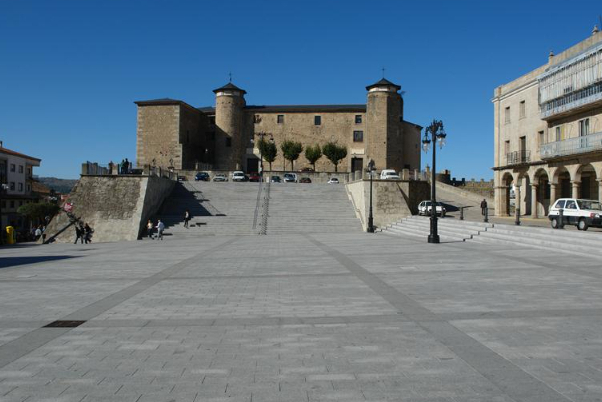
Nestled in the picturesque town of Béjar, Spain, the Palacio Ducal de Béjar stands as a testament to the grandeur of Spain's noble heritage. This majestic palace, with its rich history and architectural beauty, offers a window into the past, capturing the essence of the region's cultural evolution.
The origins of the Palacio Ducal de Béjar date back to the 15th century, when it was constructed as a fortress by the House of Zúñiga. Initially built to defend against invasions, it transformed into a splendid residence for the Dukes of Béjar, particularly under Alonso de Zúñiga, the first Duke in 1496. Over the centuries, the palace witnessed significant historical events, including the Spanish Civil War, during which it suffered damage but was eventually restored. The palace not only served as a noble residence but also as a center for political and cultural activities, making it an integral part of Béjar's history.
Architecturally, the Palacio Ducal de Béjar is a blend of styles, showcasing Renaissance and Baroque influences. The façade, adorned with intricate stonework and classical columns, presents an inviting charm that speaks to its noble lineage. Inside, visitors are greeted by lavish rooms filled with 18th-century paintings and exquisite furniture that reflect the opulence of the Spanish nobility. Notable artworks include portraits of the Zúñiga family and various religious figures, highlighting the artistic significance of the palace. The grand staircase and courtyard, with their elegant design, offer glimpses of the artistic craftsmanship that went into the palace's creation.
Local culture in Béjar is rich and vibrant, steeped in traditions that date back centuries. The town is known for its festivals, particularly the Fiestas de la Virgen de Candelaria, celebrated in February. This festival, characterized by processions, music, and traditional dances, showcases the community's deep-rooted devotion and pride. Another significant event is the Semana Santa (Holy Week), which features solemn processions that draw visitors from near and far, reflecting the town's religious fervor and cultural heritage.
When it comes to gastronomy, Béjar offers a delightful array of local dishes that reflect its agricultural roots. One must-try delicacy is chuletones de Ávila, a hearty beef steak from the nearby province of Ávila, renowned for its tenderness and flavor. Hornazo, a savory meat pie filled with pork, is another local favorite, often enjoyed during celebrations. Pair these dishes with a glass of Ribera del Duero wine, produced in the nearby vineyards, to experience the region's rich culinary offerings.
Beyond its stunning architecture and vibrant culture, the Palacio Ducal de Béjar holds lesser-known curiosities that pique the interest of inquisitive travelers. One such detail is the palace's hidden gardens, often overlooked by visitors. These serene spaces, filled with native flora and tranquil paths, provide a perfect escape from the bustling town. Additionally, the palace is said to be haunted by the spirit of Doña María de Zúñiga, a former duchess who is rumored to wander the halls, adding a mysterious allure to the already fascinating site.
For those planning a visit, the best time to explore the palace is during the spring and early autumn months when the weather is mild, and the gardens are in full bloom. It’s advisable to join a guided tour to fully appreciate the historical context and architectural details, as well as to gain insights into the local culture. Be sure to look for the intricately designed coffered ceilings and the stunning chapel within the palace, both of which are highlights of the interior.
In summary, the Palacio Ducal de Béjar is not just a building; it is a living monument to the rich history and culture of Béjar. From its architectural grandeur to its vibrant local traditions, this palace invites visitors to delve into the past while savoring the present. To make the most of your experience, consider using the Secret World app to plan a personalized AI itinerary for your visit to Béjar.