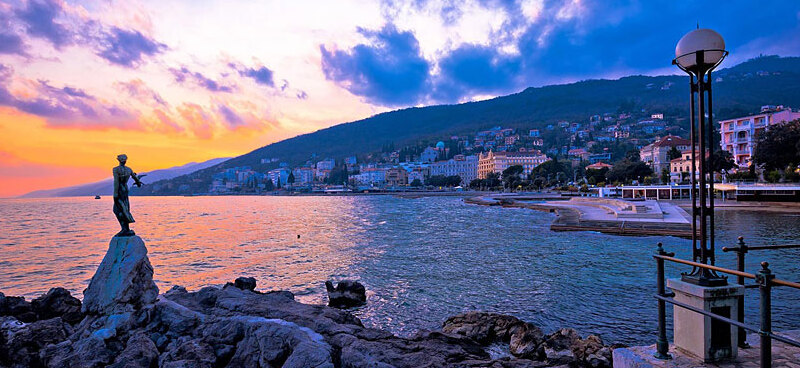

Nestled along the shimmering Adriatic Sea, Opatija—historically known as Abbazia—is a postcard-perfect town that has captivated visitors for over a century. Its breathtaking scenery, with lush greenery set against a backdrop of azure waters and the majestic Učka Mountain range, creates a mesmerizing atmosphere that has made it a preferred destination for travelers seeking both relaxation and adventure.
History and Origins
The roots of Opatija stretch back to the Roman era when it was known as Abbazia due to the Benedictine monastery established in the 12th century. The town flourished in the 19th century, becoming a magnet for the Austro-Hungarian elite who sought refuge from the bustling cities. In 1889, the first hotel, the Hotel Kvarner, opened its doors, marking the start of Opatija's transformation into a renowned health resort. The town's popularity surged, particularly during the Belle Époque, as aristocrats flocked to its shores for the therapeutic benefits of the mild climate.
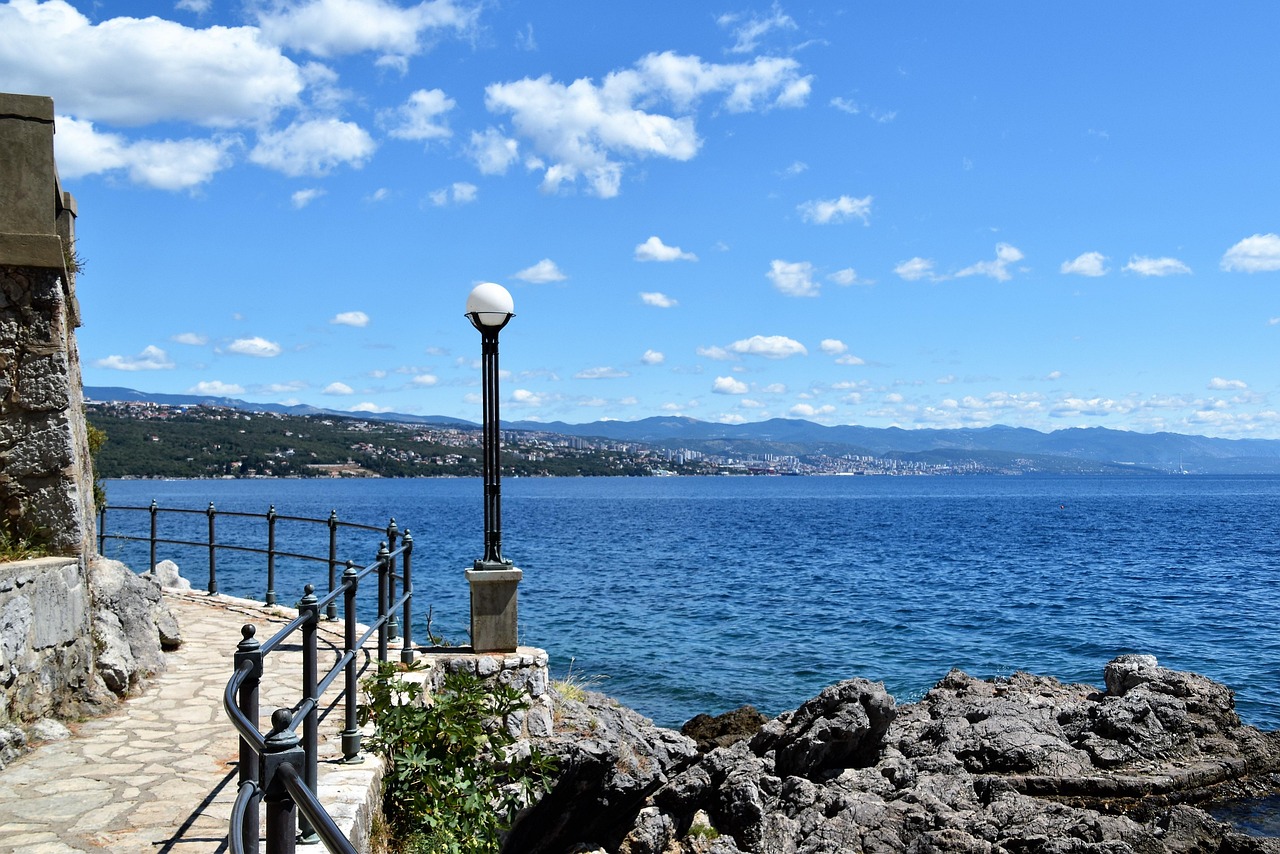
The Opatija Riviera was officially established in 1891, and its development was significantly influenced by the construction of the Lungomare, a stunning coastal promenade that stretches for 12 kilometers. This promenade not only connected the elegant villas and hotels but also showcased Opatija's natural beauty, making it an ideal spot for leisurely walks and social gatherings.
Art and Architecture
The architectural landscape of Opatija is a harmonious blend of Neo-Renaissance, Art Nouveau, and Secessionist styles, reflecting the town's affluent history. Strolling through the streets, visitors will encounter over 100 years of architectural elegance, from the grand Villa Angiolina, built in 1844, to the opulent Hotel Imperial and the iconic Church of St. James, which dates back to the 14th century.
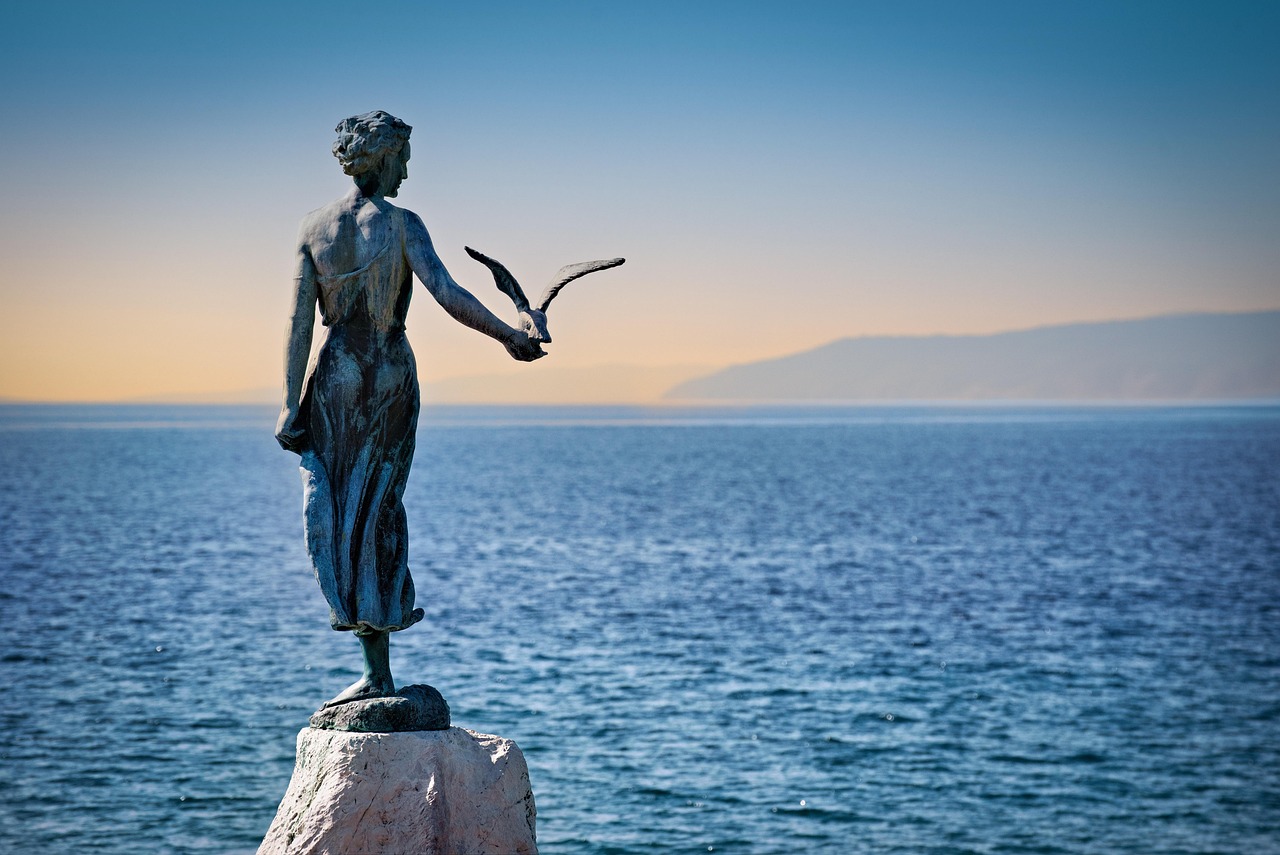
Art lovers will appreciate the town’s numerous sculptures and fountains, such as the Maiden with the Seagull, a symbol of Opatija, standing proudly along the promenade. This bronze statue, created by the sculptor Zvonimir Kucan, is a tribute to the town’s maritime heritage and has become a beloved meeting point for locals and visitors alike.
Local Culture and Traditions
Opatija is a tapestry of rich cultural traditions and vibrant local customs. The town celebrates its heritage through various festivals, including the Opatija Carnival, which fills the streets with color and cheer each February. During summer, the Opatija Music Festival attracts musicians and music lovers from across the globe, transforming the town into a hub of artistic expression.
Traditional Croatian customs are evident in Opatija’s culinary scene, where local specialties take center stage. Gastronomy plays a significant role in the culture, and visitors can experience the warmth of Croatian hospitality in family-run taverns known as konoba.
Gastronomy
The culinary offerings of Opatija are a delightful reflection of the region's history and geography. Fresh seafood is a staple, with dishes such as škampi na buzaru (prawns in a spicy tomato sauce) and riba na gradele (grilled fish) showcasing the Adriatic's bounty. The area is also famous for its truffles, found in the lush forests nearby, and they often feature in local dishes, enhancing the unique flavors of the region.
To complement the food, Istrian wines such as Malvasia and Teran are popular choices, providing a perfect pairing with the local cuisine. For a sweet treat, indulge in štrukli, a traditional pastry filled with cheese and often served as a dessert or main dish.
Lesser-known Curiosities
While Opatija is known for its luxurious hotels and stunning views, there are hidden stories waiting to be uncovered. One fascinating fact is that the town was a favored retreat for the famous composer Giuseppe Verdi, who spent time here during his visits to Croatia. Additionally, the Lungomare promenade, a beloved feature today, was once a project initiated for noble families to enjoy leisurely strolls while taking in the breathtaking views of the coastline.
Another intriguing aspect is the Opatija’s secret tunnels, remnants of World War II, which were used for communication and transport during the war. These tunnels, though not widely known, offer a glimpse into the town's complex history.
Practical Visitor Information
The best time to visit Opatija is during the spring and early autumn months when the weather is mild, and the tourist crowds are manageable. Summer months can get busy, but they also offer a vibrant atmosphere with numerous events and activities.
When planning your visit, consider exploring both the coastal attractions and the nearby Učka Nature Park for hiking opportunities. Don’t miss the chance to visit local markets for authentic handmade crafts and fresh produce.
For a truly personalized experience, using the Secret World app can help you plan an itinerary tailored to your interests in Opatija.