
In the center of the Mexica Hall, a circular basalt stone weighing about 24 tons and measuring 3.6 meters in diameter captures the full attention of the visitor: it is the Aztec Sun Stone, mistakenly called the "Aztec calendar" for centuries. Carved around 1427 during the reign of Axayacatl and rediscovered in 1790 beneath the Plaza Mayor in Mexico City, this monolith is not a calendar but a complex cosmological document that represents the Aztec vision of the ages of the world. Stopping in front of it for a few minutes, allowing the eyes to adjust to the engraved details, is one of the most profound moments of any trip to Mexico.
The Nacional Museum of Anthropology is located in Chapultepec Park, in the heart of the Mexican capital, and was inaugurated on September 17, 1964, designed by the architect Pedro Ramírez Vázquez. The building itself is an architectural masterpiece: a central courtyard of about 170 meters by 100 is covered by a huge roof supported by a single central pillar, called paraguas (umbrella), from which a continuous waterfall descends. The structure houses 23 exhibition halls distributed over two floors, dedicated to the main pre-Columbian civilizations of Mexico.
The collections on the ground floor: pre-Columbian civilizations
The path on the ground floor follows a geographical and chronological order that guides the visitor through the great cultures of ancient Mexico. It begins with the rooms dedicated to the origins of man in Mesoamerica, then crosses the sections of the Teotihuacans, the Olmecs, and the Totonacs. The Olmec room displays some of the famous colossal basalt heads, with their heavy features and pelota game helmets, transported centuries ago from sites like La Venta and San Lorenzo.
The Maya room is among the most visited in the entire museum. Here is the reconstruction of the tomb of King Pakal, lord of Palenque who died in 683 AD, with his famous jade funerary mask made up of hundreds of tiles of the same green material. The original is displayed in this room, and its physical presence, just a few centimeters behind the glass, has an impact that is hard to describe in words. Next to it, a reproduction of the sarcophagus and the sculpted lid completes the funerary context.
The upper floor: living cultures
The second floor is dedicated to the contemporary indigenous cultures of Mexico, often overlooked by hurried visitors but of great ethnographic value. The rooms display traditional costumes, tools, reconstructed dwellings, and ritual objects from the Huichol, Zapotec, Mixtec, and Nahua communities, among others. This floor helps to understand how many pre-Columbian cultural practices have survived to this day in transformed forms.
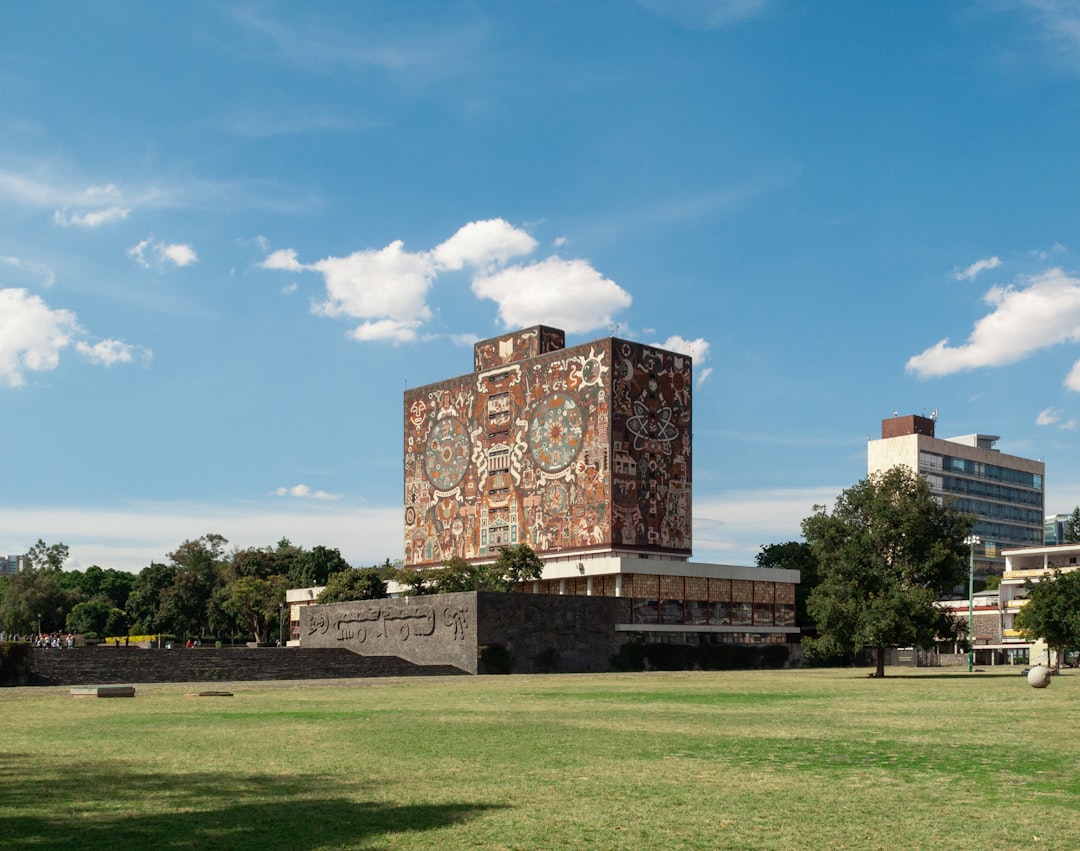
Particularly interesting is the section dedicated to the Huichol (or Wixáritari), with their elaborate works in colorful beads that represent cosmological visions still active in the religious life of the community. The contrast between this floor and the lower one — between monumental past and living present — is one of the most honest and rare aspects of this museum.
The central courtyard and the architecture
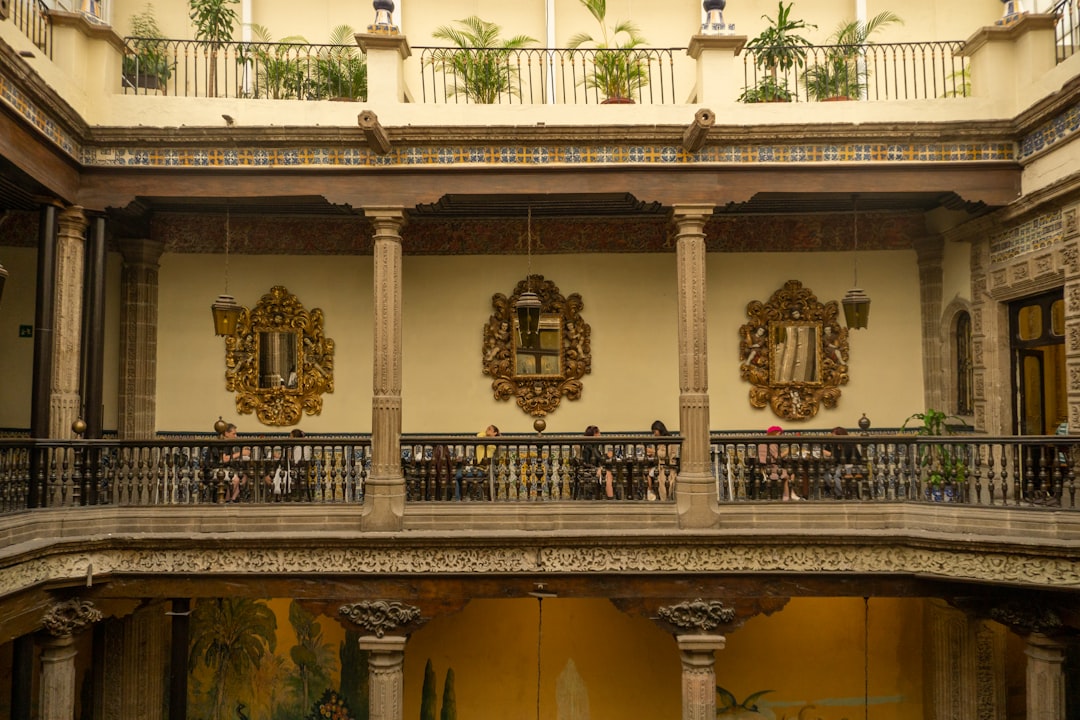
The central umbrella, the umbrella-pillar designed by Ramírez Vázquez, is covered with bas-reliefs that reference pre-Columbian motifs. The waterfall that descends from it is not just an aesthetic element: it creates a natural sound barrier that separates the rooms from external noise. The courtyard also hosts some original monumental sculptures, including the statue of the goddess Tláloc, god of rain, which is located at the entrance of the museum after being transported in 1964 from the site of Coatlinchán under circumstances that, according to local tradition, caused a sudden rain.
Walking in the courtyard between one room and another allows for visual recharging and better orientation along the path. It is also the best place to take photographs of the architecture without interfering with the exhibited works.
Practical information for the visit
The museum is open from Tuesday to Sunday, from 9:00 AM to 7:00 PM. The entrance ticket costs about 85 Mexican pesos (about 4-5 euros at the current exchange rate), with free admission for children, seniors, and Mexican students. On Sundays, admission is free for Mexican citizens, which means more crowds: if you want to visit calmly, it is preferable to choose a weekday morning.
To reach the museum, you can take the Line 1 of the Metro to the Chapultepec station, from which you walk about 15 minutes through the park. A complete visit requires at least three hours, but for those who want to delve into both floors, five or more are needed. It is advisable to wear comfortable shoes, as the floors are made of stone and the distances between the rooms are considerable. The official audio guide, available in Italian, helps to contextualize the main pieces without overwhelming the visit.