





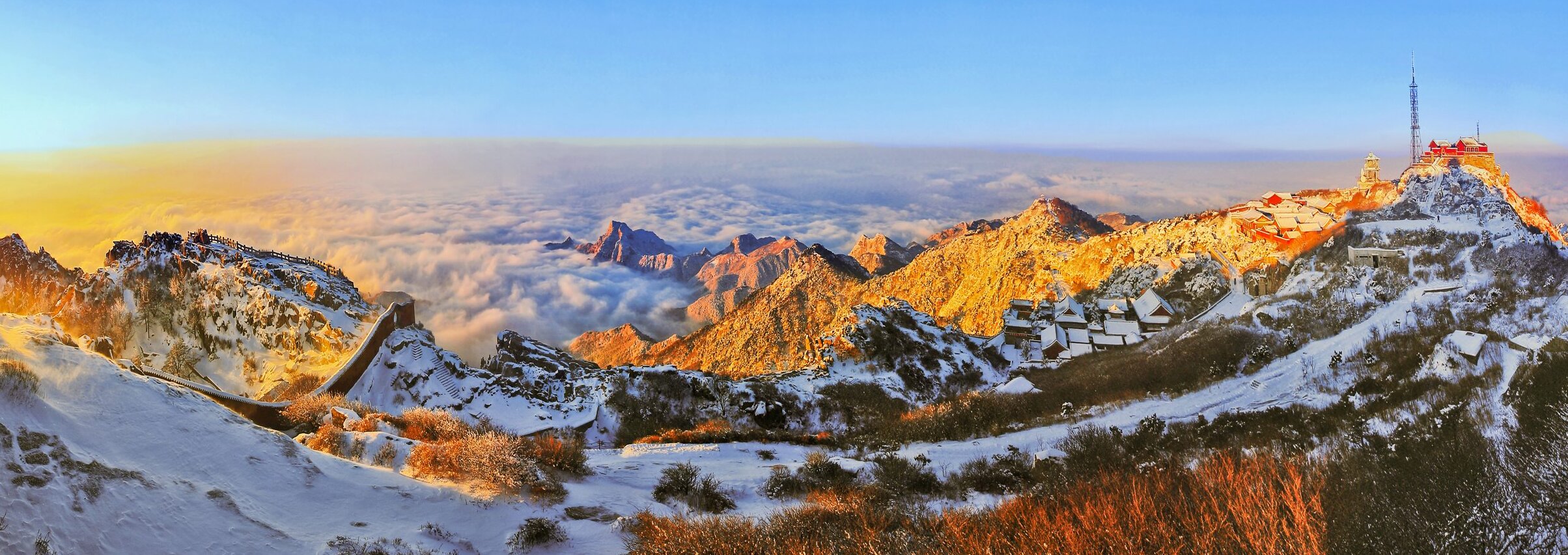
Standing majestically in the heart of Shandong Province, Mt. Taishan is a natural wonder that draws visitors from around the globe. With its towering height of 1,545 meters (5,069 feet) and sprawling area of 426 square kilometers, this sacred mountain is not just a feast for the eyes; it is steeped in rich history and cultural significance.
### History and Origins
The history of Mt. Taishan dates back thousands of years, with its earliest mentions found in ancient Chinese texts. As one of the Five Sacred Mountains of China, it has been a pilgrimage site for emperors and commoners alike. The mountain was revered as a place of worship for Taoism, with its first recorded ascent by Emperor Qin Shi Huang in 219 BC, who sought to commune with the gods and ensure his immortality.
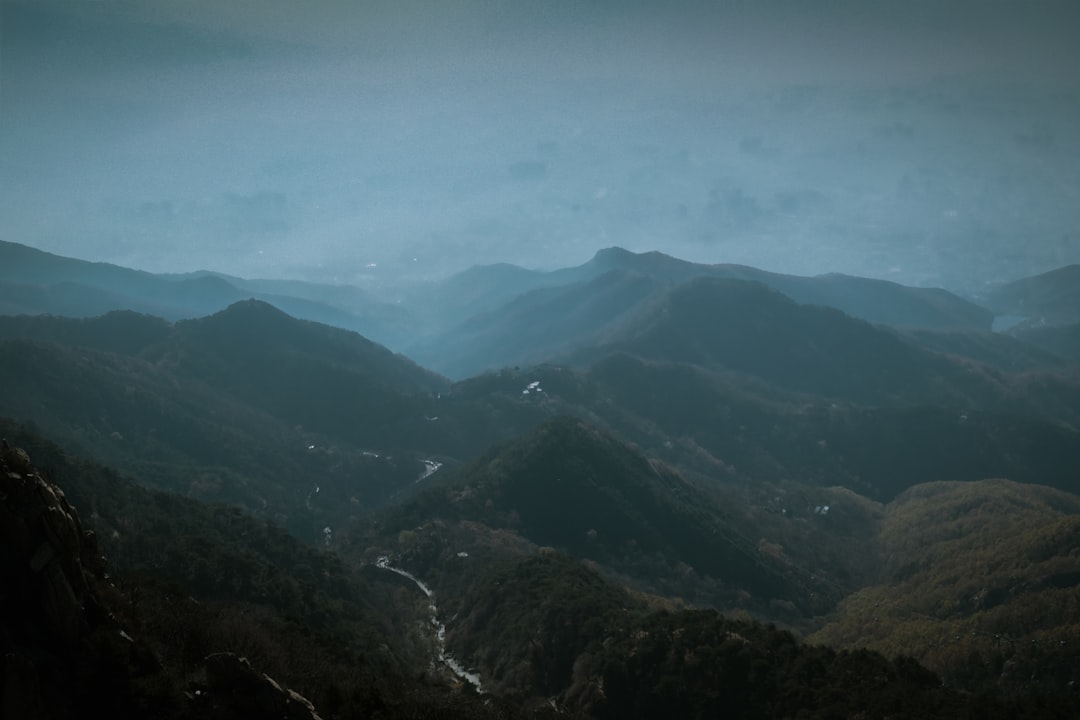
Throughout the centuries, Mt. Taishan has witnessed countless ceremonies, including imperial sacrifices, which were meant to honor Heaven and Earth. The mountain is also entwined with the legend of Pangu, the mythical creator of the world, who is said to have transformed his body into the very landscape of China, with Mt. Taishan representing his head. This mythical connection has cemented its status as a symbol of Chinese identity and spirituality.
### Art and Architecture
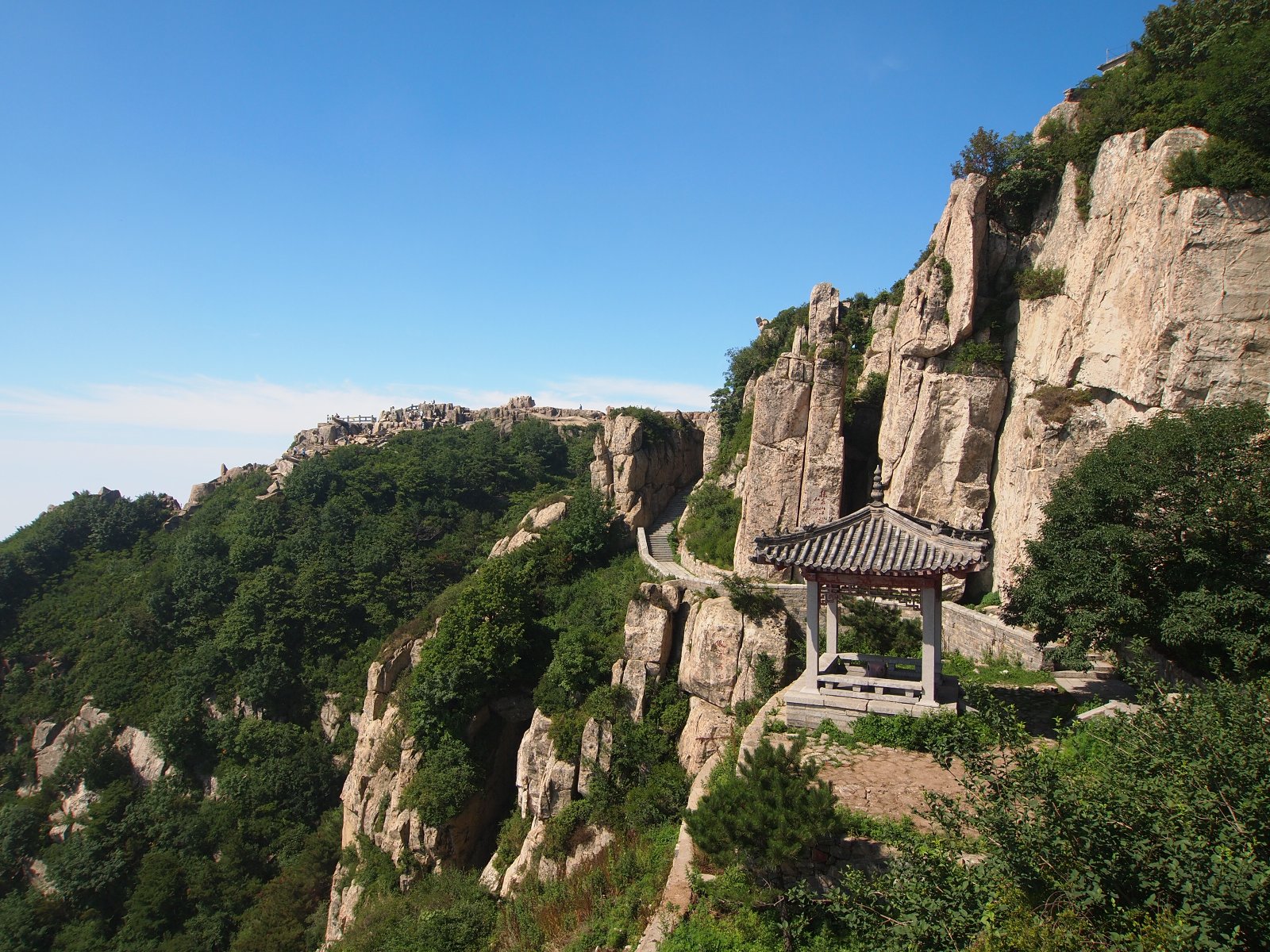
The architectural beauty of Mt. Taishan is a testament to the artistry and craftsmanship of ancient Chinese builders. The mountain is dotted with various temples, pavilions, and stone carvings, most notably the Dai Temple at its base, which is dedicated to the worship of Taoist deities. Constructed during the Han Dynasty, the temple features intricate designs and ancient inscriptions that speak volumes of its historical significance.
One cannot overlook the Stone Carvings along the paths leading up the mountain, which date back to the Tang Dynasty (618-907 AD). These carvings depict dragons, phoenixes, and other symbols of power and eternity, showcasing the artistic prowess of the time while reflecting the philosophical ideals of Daoism and Confucianism.
### Local Culture and Traditions
Local customs around Mt. Taishan are vibrant and steeped in tradition. Every year, thousands of pilgrims ascend the mountain, particularly during the Taishan International Cultural Festival, which celebrates the mountain's cultural heritage. This event features traditional performances, including music, dance, and poetry recitals, allowing visitors to immerse themselves in the local culture.
The mountain is also known for its unique rituals, such as the sacrificial offerings made by visitors who seek blessings for health and prosperity. The sight of colorful ribbons tied to trees and stones along the paths is a common feature, symbolizing hopes and wishes made by those who trek its steep terrain.
### Gastronomy
No visit to Tai'an would be complete without savoring the local cuisine. The region is famous for its Taishan tofu, which is renowned for its smooth texture and rich flavor, a result of the mountain’s pure spring water. Another local delicacy is Shandong pancakes, which are often served with a variety of fillings.
For those with a sweet tooth, Tai'an’s specialty pastries, such as Taishan Mooncakes, are a must-try. These pastries are traditionally enjoyed during the Mid-Autumn Festival and are filled with sweet red bean paste, offering a taste of local history with every bite.
### Lesser-known Curiosities
While many tourists flock to the more popular attractions, a lesser-known fact about Mt. Taishan is the East Peak, which is often overshadowed by its more famous counterparts. This peak offers breathtaking views of the sunrise and is less crowded, providing a more serene hiking experience.
Another hidden gem is the Singing Stone, a rock that produces a melodious sound when struck, believed by locals to bring good luck. Additionally, the mountain is home to the rare Taishan Blueberry, a fruit unique to this region, adding to its biodiversity and appeal.
### Practical Visitor Information
The best time to visit Mt. Taishan is during the spring and autumn months when the weather is mild and the scenery is particularly stunning. The peak season for tourism typically occurs during May and October, so plan your trip accordingly to avoid large crowds.
When hiking, wear comfortable shoes and bring plenty of water, as the trails can be steep and challenging. Be sure to take your time to appreciate the myriad of temples and viewpoints along the way, each offering a unique perspective of this ancient landscape.
###
Mt. Taishan is not just a mountain; it is a living tapestry of history, culture, and natural beauty waiting to be explored. To plan your personalized adventure in Tai'an, consider using the Secret World app for tailored itineraries that dive deep into the region’s offerings.