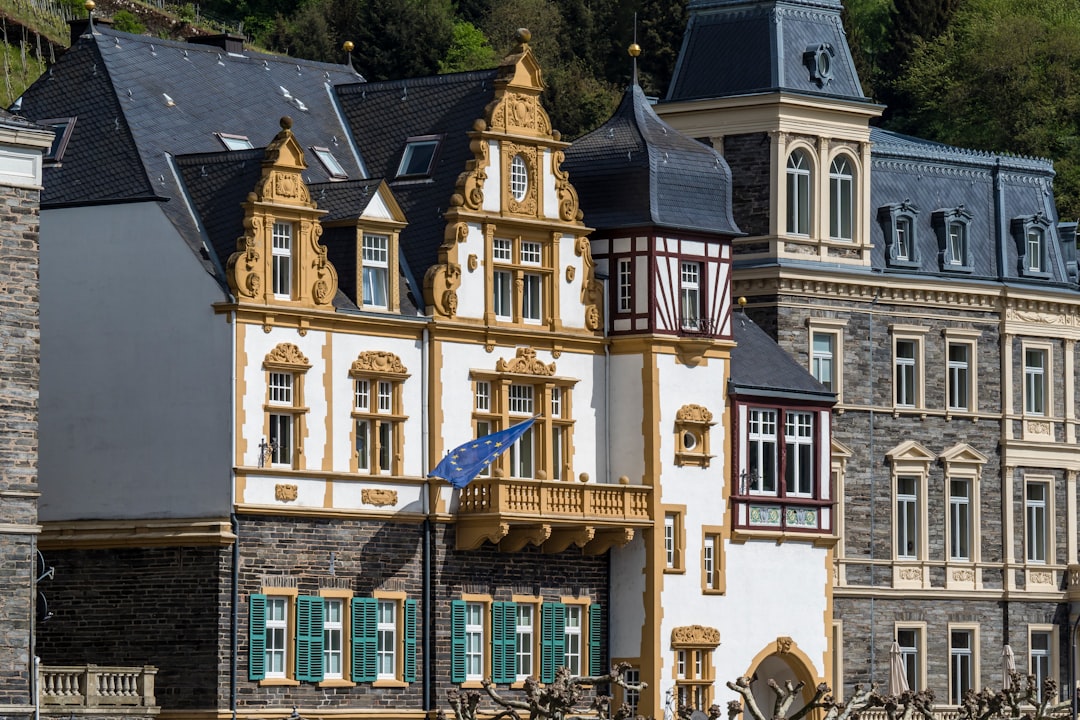

The fiery slopes that steeply descend towards the Moselle River reflect the sun with an almost metallic light, accumulating heat in the dark rocks and returning it to the roots of the Riesling that grow clinging to inclines that often exceed 60%. It is in this vertical and harsh landscape that Bernkastel-Kues is located, a small medieval town in Rhineland-Palatinate, in the heart of the Middle Moselle, where the Mosel Weinmuseum — Moselle Wine Museum — tells the story of two thousand years of viticulture along one of the most famous rivers in Europe for wine production.
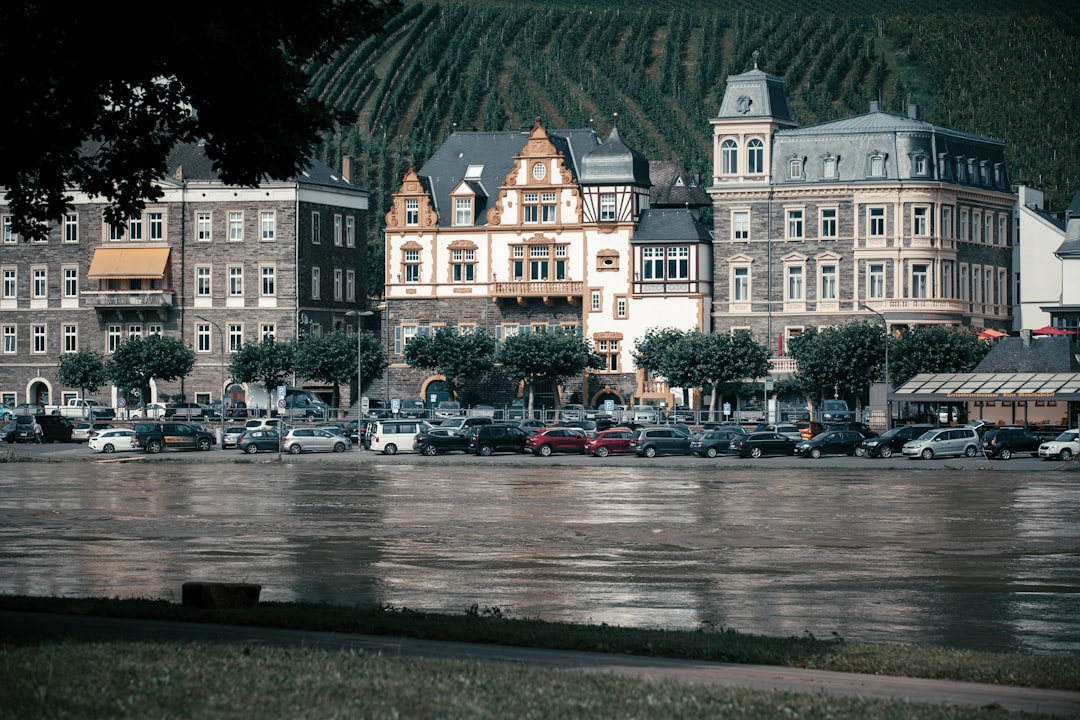
The museum is housed in the complex of the St.-Nikolaus-Hospital, founded in 1458 by the cardinal and philosopher Nicholas of Cusa, who was born in Kues in 1401. The late Gothic building, with its cloister and chapel still intact, already constitutes a visit of architectural and historical significance. Inside, the medieval cellars house one of the oldest wine barrels still preserved in Germany, dating back to the 17th century, and a collection of viticultural tools that documents the evolution of work in the vineyards from Roman times to the modern era.
The terroir of slate: why Moselle Riesling is unique
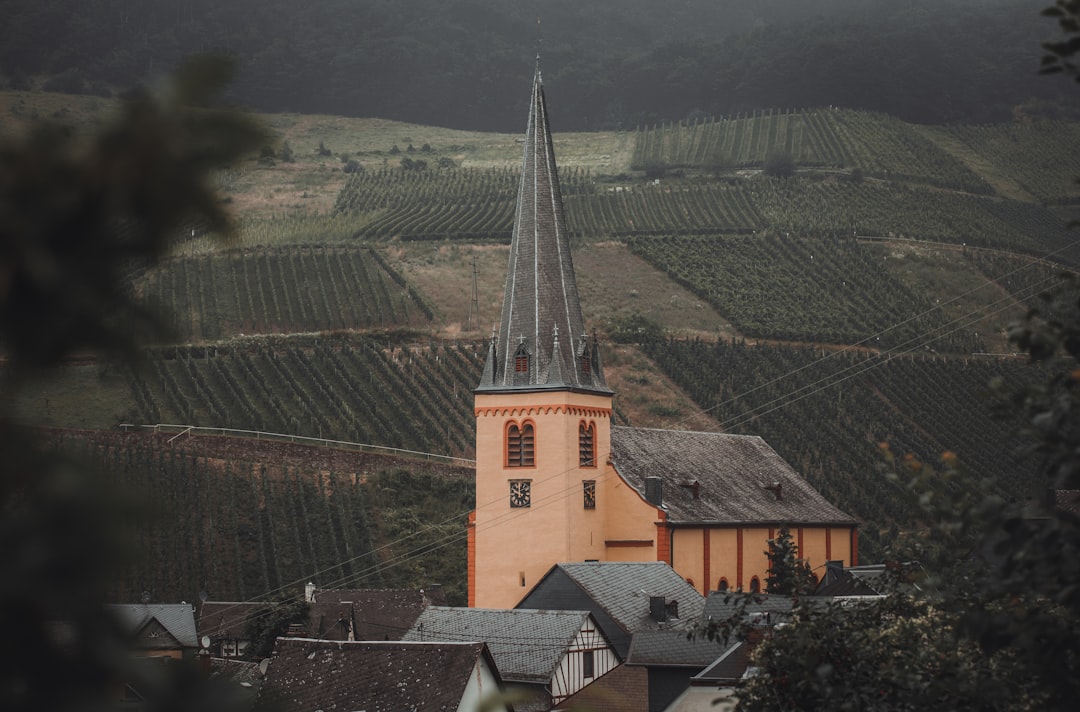
The blue and gray slate soil — the so-called Devonschiefer, Devonian slate formed about 400 million years ago — is the silent protagonist of every bottle produced in this valley. This material absorbs heat during the day and releases it at night, allowing the vine to mature slowly even in a climatically cool region, at latitudes around 50° North. The result is a Riesling with pronounced natural acidity, with aromas of white peach, lime, elderflower, and a saline minerality that local producers simply call Schieferduft, the scent of slate.
The museum dedicates an entire section to this geology, with soil samples taken from vineyards classified as Grosse Lage — the highest classification of the VDP, the association of quality German producers — such as the Bernkasteler Doctor, one of the most famous and expensive vineyards in Germany, visible directly from the museum's windows, which climbs above the historic center with a slope of over 65%. A visit to the museum allows one to visually connect what is seen in the glass with the actual morphology of the landscape.
The wineries and tasting: Dr. Loosen and JJ Prüm
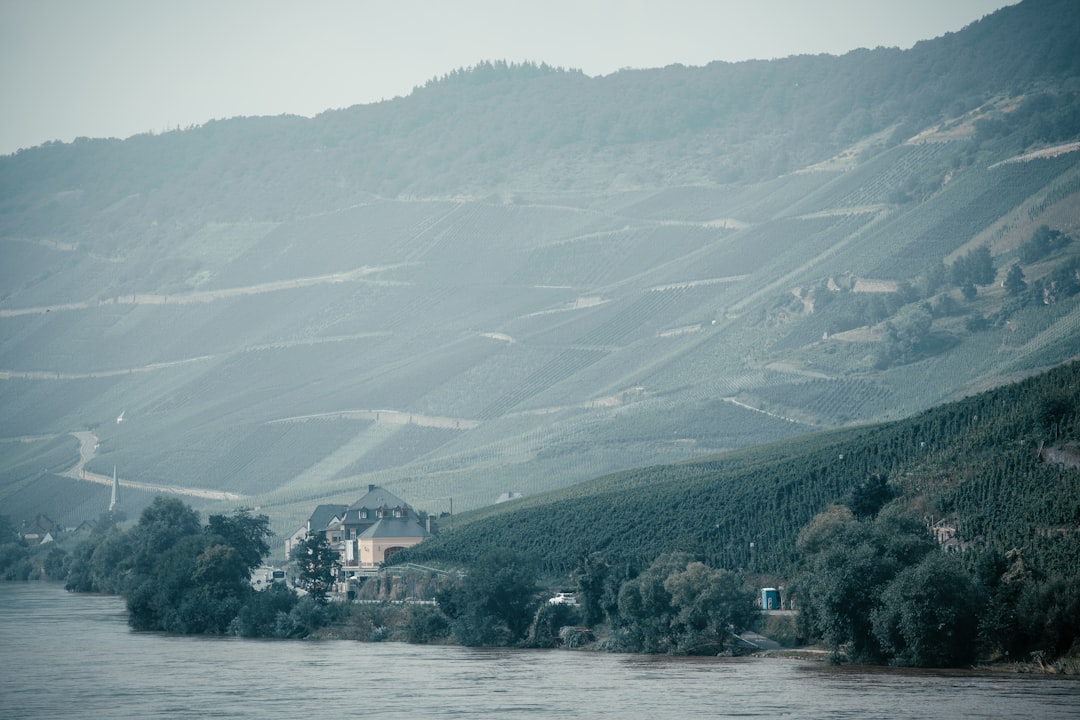
Just a few minutes' walk from the museum are some of the most important wineries in the region. Weingut Dr. Loosen, based in Bernkastel, produces Riesling from old ungrafted vines — some over a hundred years old — in the Erdener Treppchen and Ürziger Würzgarten vineyards. The latter takes its name from the spicy notes that the red volcanic soil, different from the dominant slate, imparts to the wine. The flagship bottles of Dr. Loosen's Grosse Gewächs range regularly rank among the most highly regarded Rieslings in international guides.
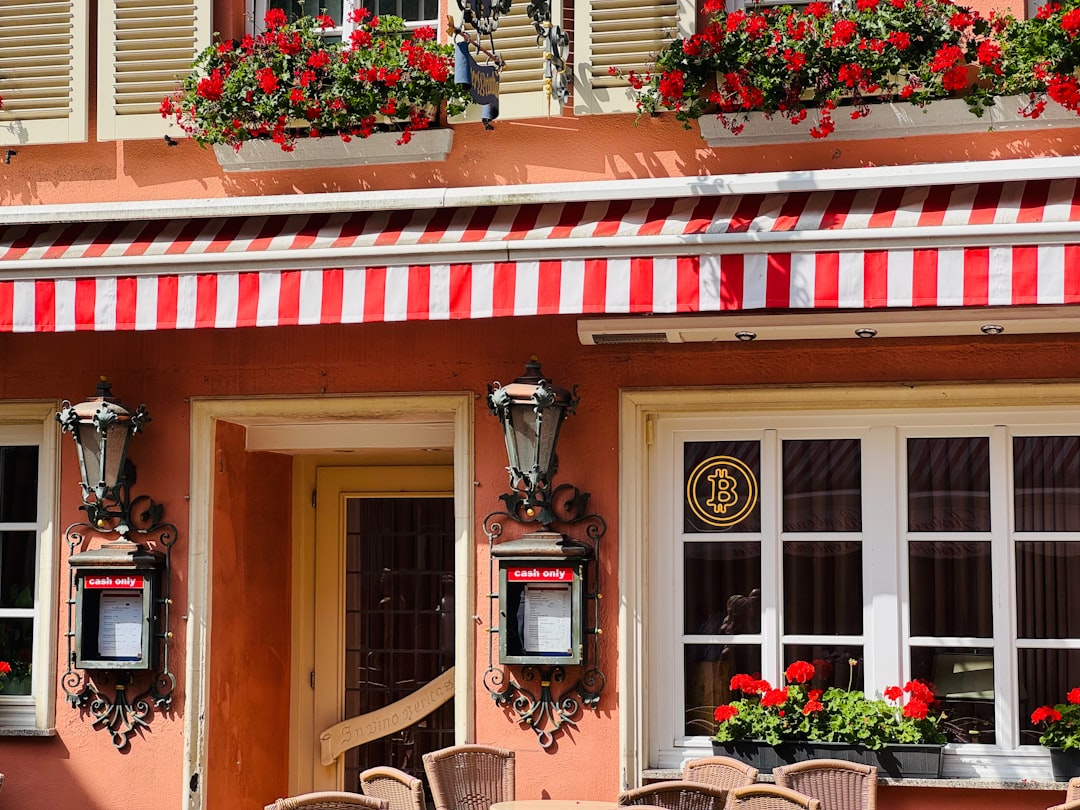
Weingut JJ Prüm, in Wehlen, produces one of the most famous dessert Rieslings in the world: the Wehlener Sonnenuhr Trockenbeerenauslese, made from shriveled and botrytized grapes, with extreme sugar concentrations and a aging potential that exceeds fifty years. The winery is named after the solar sundial — Sonnenuhr — carved into the vineyard on the opposite side of the river, visible to the naked eye from the bank. Both wineries offer tastings by reservation, with prices generally ranging from 15 to 30 euros for sessions of four or six wines.
The museum: what to see and how much time to dedicate to it
The Mosel Wine Museum is spread over several levels, from the Gothic cellars to the upper exhibition halls. The collection includes over 200 objects related to the history of viticulture, including 18th-century wooden screw presses, historical maps of classified vineyards, and documentation on the Roman presence in the valley — the Romans cultivated vines on the Moselle as early as the 1st and 2nd centuries AD, as evidenced by the mosaics preserved in the nearby Museum of Augusta Treverorum in Trier. The entrance ticket includes access to the historic cellar and, during the summer season, often a small tasting of local wines.
To visit the museum at a leisurely pace, including a stop in the medieval cellar and the cloister of the St.-Nikolaus-Hospital, about two hours is sufficient. The museum also has a well-stocked wine shop where you can purchase bottles from local producers at cellar prices, often difficult to find outside the region.
Practical tips for the visit
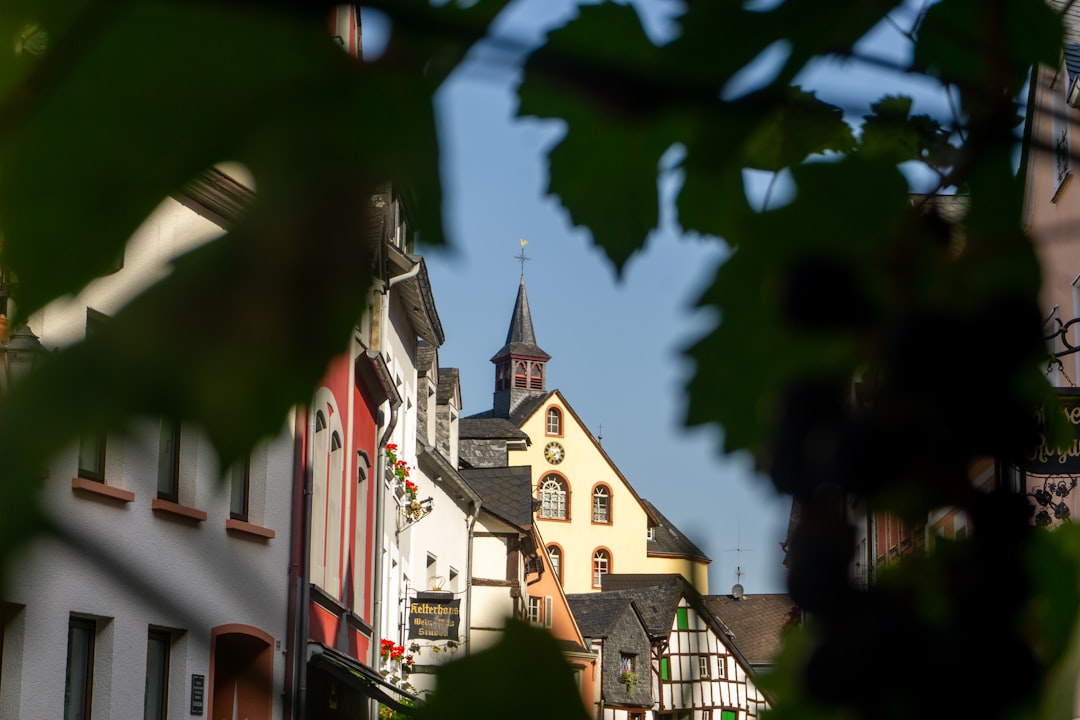
The best time to visit Bernkastel-Kues is from September to October, during the grape harvest: the vineyards are lively, the wineries organize events open to the public, and the famous Bernkasteler Doctor Weinfest, which takes place every year on the first weekend of September, brings together the main producers of the area in the square. In summer, the medieval village is very crowded; arriving in the early hours of the morning allows you to photograph the half-timbered houses of the historic center without the crowd. Bernkastel-Kues can be reached by train from Trier with a change in Wittlich or by regional buses, or by car along the Bundesstraße 53 along the river. Those who prefer biking can follow the Moselradweg, the cycling route that runs alongside the river for over 300 kilometers from the French border to Koblenz, passing directly in front of the museum.