
← Back

Molinete Parque Arqueologico

Cerro Del Molinete, C. Pólvora, s/n, 30203 Cartagena, Murcia, Spagna ★★★★☆ 122 views
Diana Morani
Cartagena
🏆 AI Trip Planner 2026

Get the free app

Discover the best of Cartagena with Secret World — the AI trip planner with 1M+ destinations. Get personalized itineraries, hidden gems and local tips. Free on iOS & Android.

🧠 AI Itineraries 🎒 Trip Toolkit 🎮 KnowWhere Game 🎧 Audio Guides 📹 Videos
Scan to download iOS / Android
Scan for AppGallery Huawei users

About Molinete Parque Arqueologico

Molinete Parque Arqueologico - Cartagena | Secret World Trip Planner

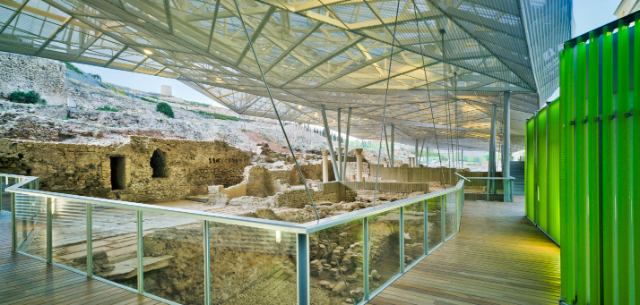
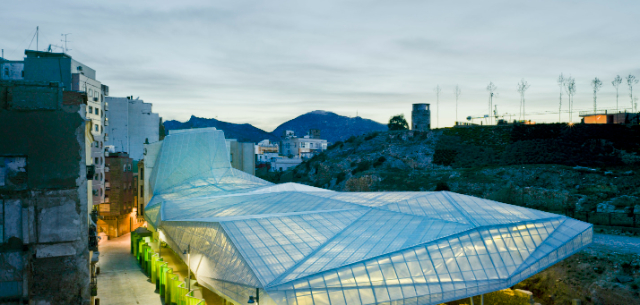
Molinete Archaeological Park is another showcase of Cartagena’s history. This hill was called Mount Ciudadela de Asdrúbal when Carthaginian General Hasdrubal the Fair built his palace here between 227 and 221 BC. During the Roman period (209 BC to 425 AD), they constructed a large temple near the staircase. In the mid-16th century, the area was encircled by a curtainwall with bastions named the Wall of Charles V. By the 18th century, this had become Barrio Prohibido (Prohibited District). This impoverished neighborhood was plagued by rowdy bars, drunken sailors and prostitution. After the residents were evicted and many of their homes were destroyed in the 1970s, archeological work began in earnst. This was the foundation of today’s Molinete Archaeological Park. You will enjoy reading more history from signs in English as you explore the 6.5 acre Molinete Parque Arqueologico.
Molinete Parque Arqueologico - Cartagena | Secret World Trip Planner
🗺 La app de los tesoros hispanos

Plan your visit to Cartagena

Suggested itinerary near Molinete Parque Arqueologico

MAJ+
500.000+ travelers worldwide
  1. 🌅
    Morning
    Molinete Parque Arqueologico
    📍 Cartagena
  2. ☀️
    Afternoon
    Gran Hotel of Cartagena
    📍 0.2 km · Cartagena
  3. 🌆
    Evening
    Nave of Santa María de Gracia Church
    📍 0.2 km · Cartagena

Buy Unique Travel Experiences

Powered by Viator

See more on Viator.com

Explore nearby · Cartagena

Frequently Asked Questions

Molinete Archaeological Park showcases multiple layers of Cartagena's rich history, from its origins as Mount Ciudadela de Asdrúbal when Carthaginian General Hasdrubal the Fair built his palace there between 227-221 BC, through the Roman period when a large temple was constructed, to the 16th-century Wall of Charles V. The site evolved from an impoverished neighborhood in the 18th century to an important archaeological destination after excavations began in earnest during the 1970s.
The park spans 6.5 acres and features archaeological remains from multiple civilizations including Carthaginian palace foundations, Roman temple ruins near the staircase, and 16th-century fortifications from the Wall of Charles V. Informational signs throughout the park are available in English, making it easy to understand the historical significance of each area as you explore.
Barrio Prohibido (Prohibited District) was the impoverished neighborhood that occupied the Molinete hill by the 18th century, characterized by rowdy bars, drunken sailors, and prostitution. After residents were evicted and homes were destroyed in the 1970s, systematic archaeological work began on the site, which eventually transformed it into the archaeological park visitors can explore today.
The Molinete hill has been continuously inhabited by multiple civilizations over millennia: the Carthaginians under General Hasdrubal the Fair (227-221 BC), the Romans (209 BC to 425 AD) who built a major temple, and Spanish colonizers in the 16th century who constructed the Wall of Charles V. Each civilization left behind architectural and cultural traces that are still visible today.
The Wall of Charles V was a curtainwall with bastions constructed in the mid-16th century to encircle the Molinete hill area, representing Spanish colonial military fortifications. These defensive structures remain visible throughout the archaeological park and provide insight into the strategic importance of this location during the colonial period.