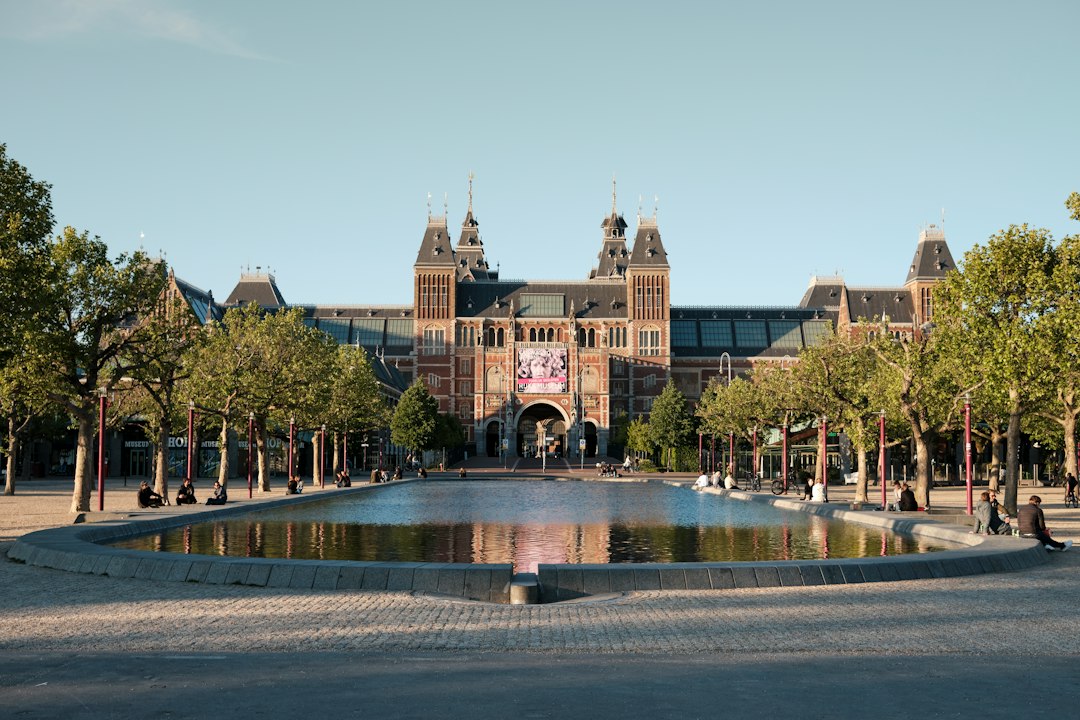

In the heart of Leiden, just a few steps from the canals that run through this Dutch university city, lies one of the richest ethnographic museums in Europe. The Rijksmuseum Volkenkunde — this is the official name in Dutch — houses collections from Indonesia, Oceania, Asia, Africa, and the Americas, accumulated over the centuries when the Netherlands was one of the world's major colonial powers. This is not a museum that uncritically celebrates that historical period: on the contrary, many of its rooms openly address the uncomfortable questions related to the provenance of the exhibited objects.
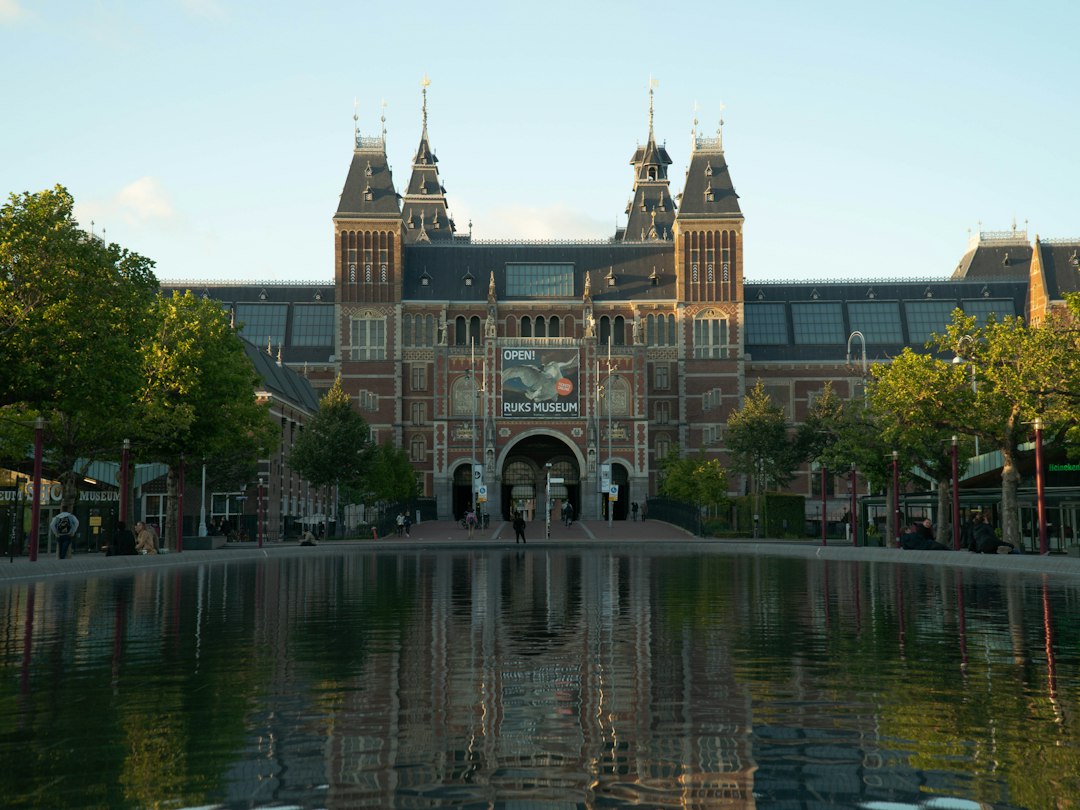
Leiden is often overlooked by tourists who focus on Amsterdam, which is about a forty-minute train ride away. This is, paradoxically, one of the reasons to visit it: the museum's rooms can be explored without the typical crowds of the large museums in the capital, and the staff has time to stop and answer questions. The atmosphere is that of a place where objects are truly looked at, not just hurriedly photographed.
The Indonesian Collection: The Heart of the Museum
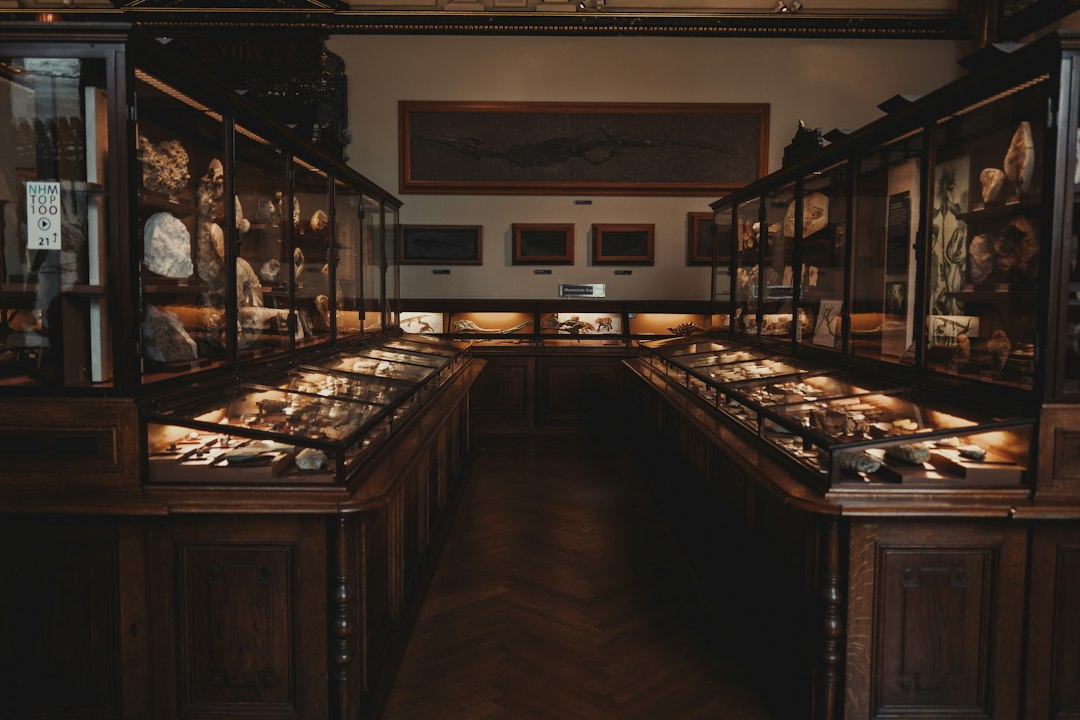
The section dedicated to Indonesia is the largest and most significant in the entire museum, a direct reflection of the historical bond between the Netherlands and the archipelago that was a Dutch colony for over three centuries. Here you can find batik fabrics of extraordinary complexity, ceremonial masks from Java and Bali, gamelan musical instruments, and ritual objects from the most remote islands. Some of these pieces date back to the 17th and 18th centuries and represent unique testimonies of cultures that have since profoundly transformed.
Particularly impressive is the collection of kris, the Javanese ceremonial daggers with wavy flame-shaped blades. Each kris has a story, a name, and according to tradition, its own spiritual strength. The museum displays several specimens with captions that explain both the forging technique and the symbolic meaning within Javanese culture. It is one of those cases where the museum presentation manages to convey part of the original context of the object.
Oceania and the Americas: the least visited halls
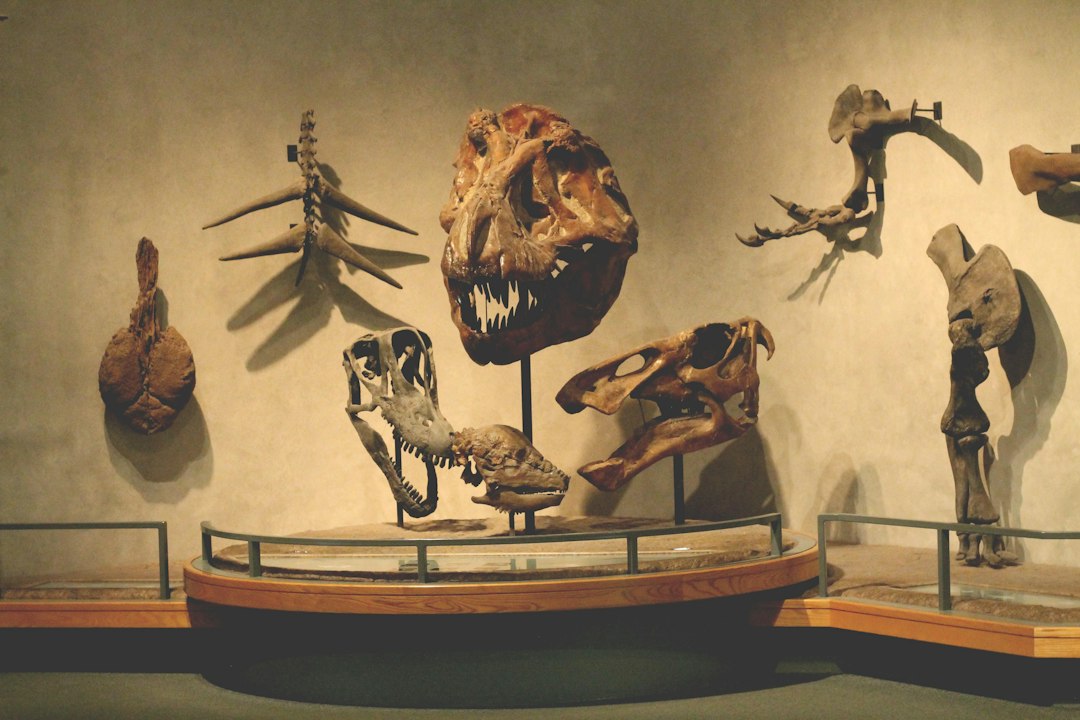
The sections dedicated to Oceania and the Americas are often the least visited, yet they contain some of the most extraordinary pieces. From New Guinea come large wooden sculptures used in initiation ceremonies or related to ancestor worship. Some of these works display a level of formal abstraction that impresses with its modernity, despite being created centuries before the European avant-gardes of the twentieth century.
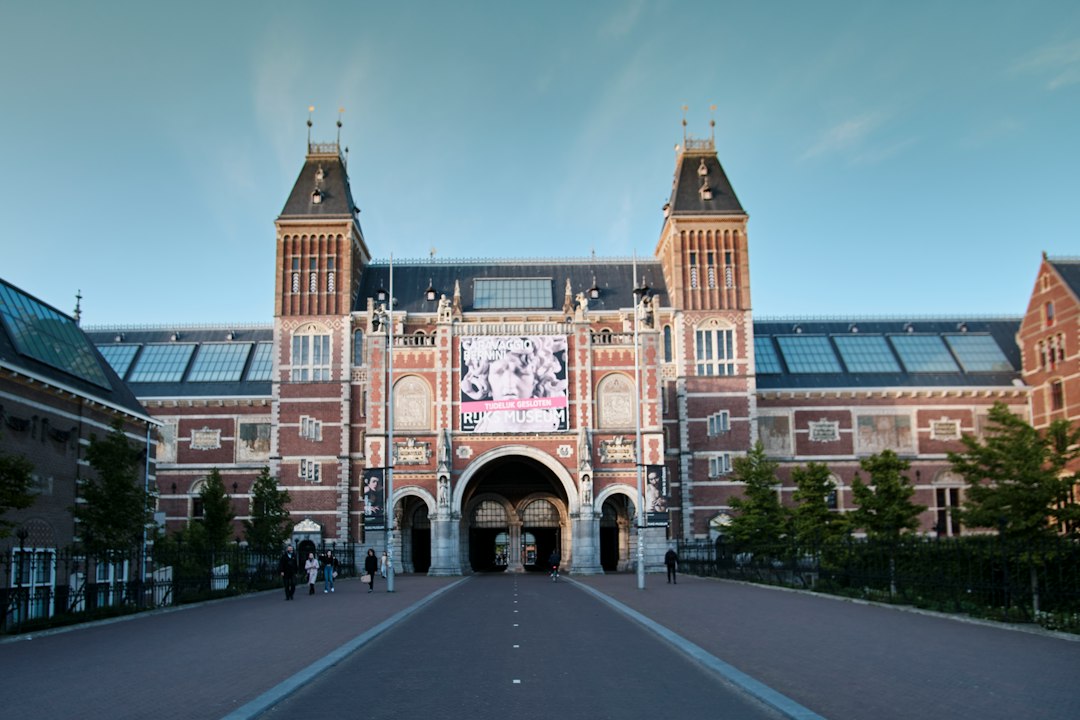
The pre-Columbian collection includes ceramics, textiles, and gold objects from various civilizations of Central and South America. It is not an encyclopedic collection like those of some large national museums, but the selection is curated and the captions provide a solid historical and anthropological context. It is worth pausing over the explanations that accompany each piece: the museum has invested in recent years in an educational apparatus that goes beyond the simple label with name and date.
The building and its history
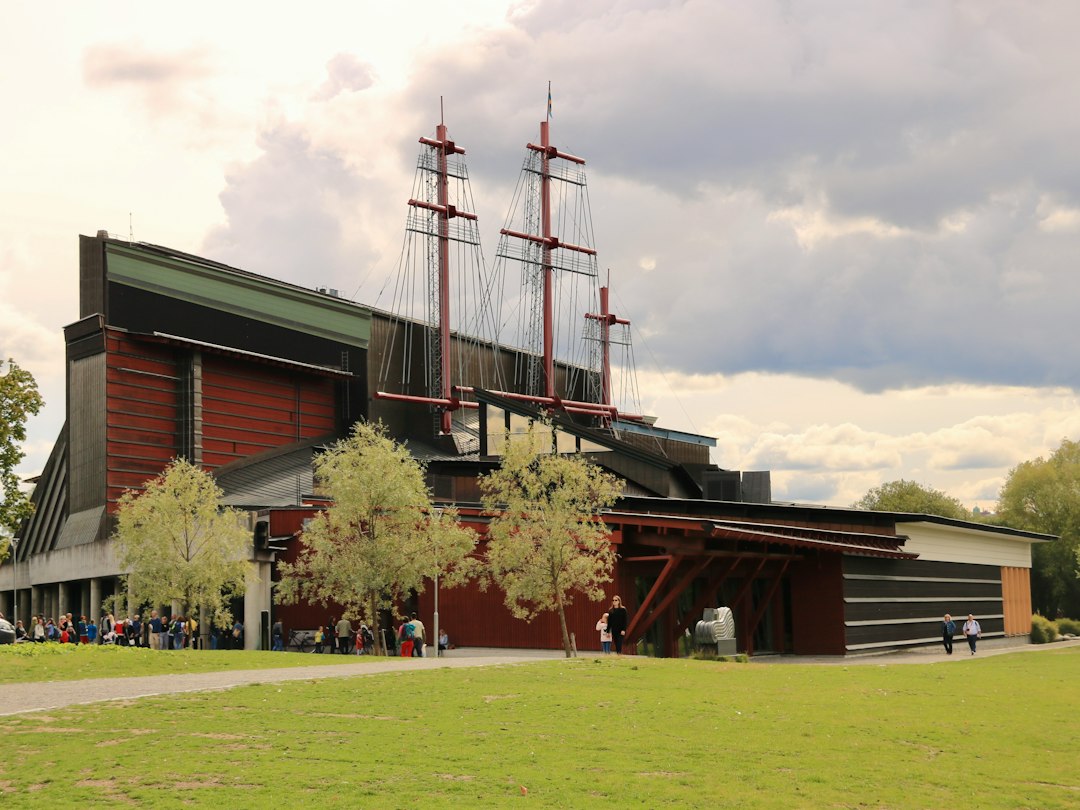
The museum occupies a building in the historic center of Leiden, a university city founded in the Middle Ages and home to one of the oldest universities in the Netherlands, established in 1575. The museum institution has roots in the nineteenth century, when Dutch ethnographic collections — originating from scientific and commercial expeditions — began to be systematically cataloged and made accessible to the public. The museum in its current form has undergone several renovations throughout the twentieth century, with the aim of making the spaces more suitable for a contemporary presentation of the collections.
Walking through the halls, one notices the care with which natural light has been integrated into the exhibition spaces. Some display cases are designed to allow viewing the objects from multiple angles, which is particularly useful for three-dimensional sculptures and textile artifacts. The building itself, with its corridors and rooms of varying sizes, creates a visiting rhythm that alternates moments of great visual impact with more intimate pauses.
Practical tips for the visit
The museum is easily reachable on foot from the central station of Leiden, in about fifteen minutes through the historic center. The route is pleasant and allows you to see some of the most beautiful canals of the city. The average visit time is two to three hours, but those who want to delve into the Indonesian and Oceanic sections can easily take four. It is advisable to avoid Saturday mornings, when the museum is more crowded with families with children.
The museum has an internal café where it is possible to take a break midway through the visit. The shop at the exit sells specialized publications on the collections, some of which are difficult to find elsewhere. Before leaving, it is worth checking the official website for any temporary exhibitions: the museum regularly organizes thematic exhibitions that delve into specific aspects of its permanent collections, often with a critical perspective on Dutch colonial history.