





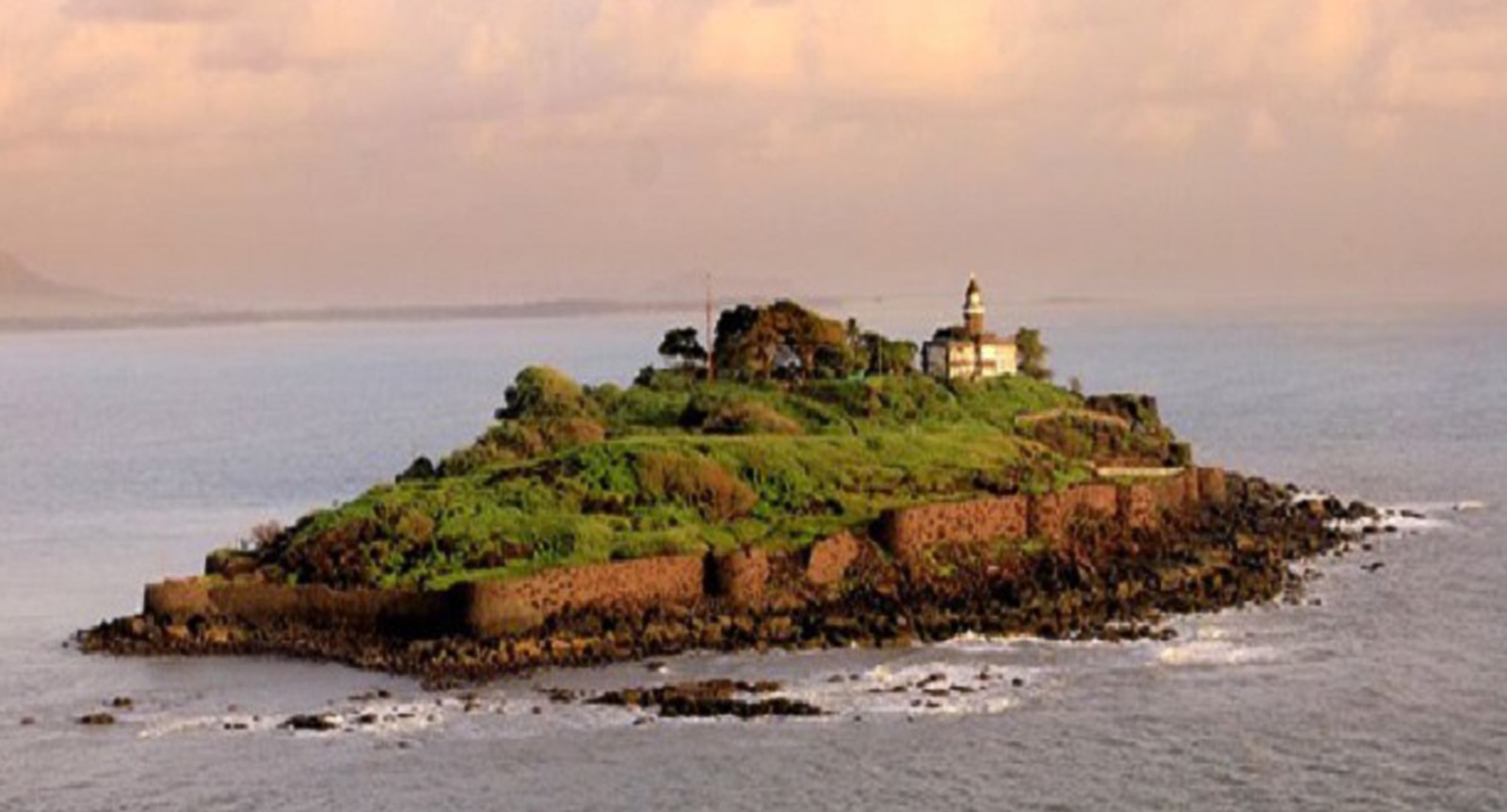
Nestled off the coast of Maharashtra, the twin forts of Khanderi and Underi rise majestically from the Arabian Sea, their historical echoes resonating with tales of maritime prowess and colonial conquests. These forts, strategically positioned near Alibaug, are not merely relics of the past but are vibrant narrators of India's rich tapestry of history and culture.
The history of Khanderi Fort dates back to the year 1679 when it was established by Shivaji Maharaj, the legendary Maratha king. Its primary purpose was to keep a vigilant eye on the naval activities of the Siddis of Janjira, who were a significant maritime force in the region. Over the years, the fort changed hands multiple times, reflecting the turbulent dynamics of colonial power struggles, including the British and the Portuguese, each leaving an indelible mark on its structure and heritage. Underi Fort, only a short distance away, was constructed by the Siddis and served as a counterpoint to Khanderi, highlighting the strategic chessboard that the Arabian Sea had become during the 17th century.
Architecturally, Khanderi Fort is a marvel of its time. The fortification is built primarily with basalt rock, a testament to the ingenuity of Maratha engineers. Its walls stand robust against the ceaseless battering of the sea, showcasing a style that is both utilitarian and imposing. Inside, one finds remnants of ancient cannons and bastions, each narrating stories of maritime battles and defense strategies. The presence of a lighthouse, added by the British in the 19th century, serves as a beacon of cultural amalgamation and historical progression.
Culturally, the region surrounding these forts is imbued with the vibrant traditions of the Konkan coast. The local inhabitants, known as Konkani, celebrate festivals such as Ganesh Chaturthi with great fervor, reflecting the deep-seated spiritual and communal ethos of the area. Traditional Koli dances, performed by the local fishing communities, are a visual delight, encapsulating the spirit and resilience of the people who have thrived along these shores for centuries.
When it comes to gastronomy, the Konkan region offers a culinary palette as rich and diverse as its history. Visitors can savor the delectable Kombdi Vade, a spicy chicken curry paired with vade (a type of bread), and the mouthwatering Sol Kadhi, a refreshing drink made from coconut milk and kokum, which is perfect for combating the humidity. The use of coconut, rice, and seafood is prevalent, reflecting the coastal bounty and the cultural synthesis of the region.
Beyond the well-trodden paths, Khanderi and Underi forts hold lesser-known curiosities that intrigue the discerning traveler. For instance, the intricate system of freshwater wells within Khanderi Fort is a marvel of ancient engineering, ensuring a sustainable water supply even amidst the saline surroundings. Another fascinating aspect is the legend of a secret tunnel purportedly connecting the two forts, a tale that has piqued the curiosity of historians and explorers alike, though its existence remains unproven.
For those planning a visit, the best time to explore these forts is during the cooler months from October to March. This period offers pleasant weather and clear skies, ideal for ferry rides from Alibaug to the islands. It's advisable to wear comfortable walking shoes and carry water, as exploring the forts involves navigating uneven terrain. While there, take a moment to soak in the panoramic views of the Arabian Sea, a reminder of the forts' strategic importance and the natural beauty that envelopes them.
In a world where the past often blends with the present, Khanderi and Underi Forts stand as enduring symbols of India's maritime legacy. Their walls may be weathered, but they continue to captivate with stories of resilience, architectural brilliance, and cultural confluence, inviting travelers to delve deeper into the heart of Maharashtra's coastal heritage.