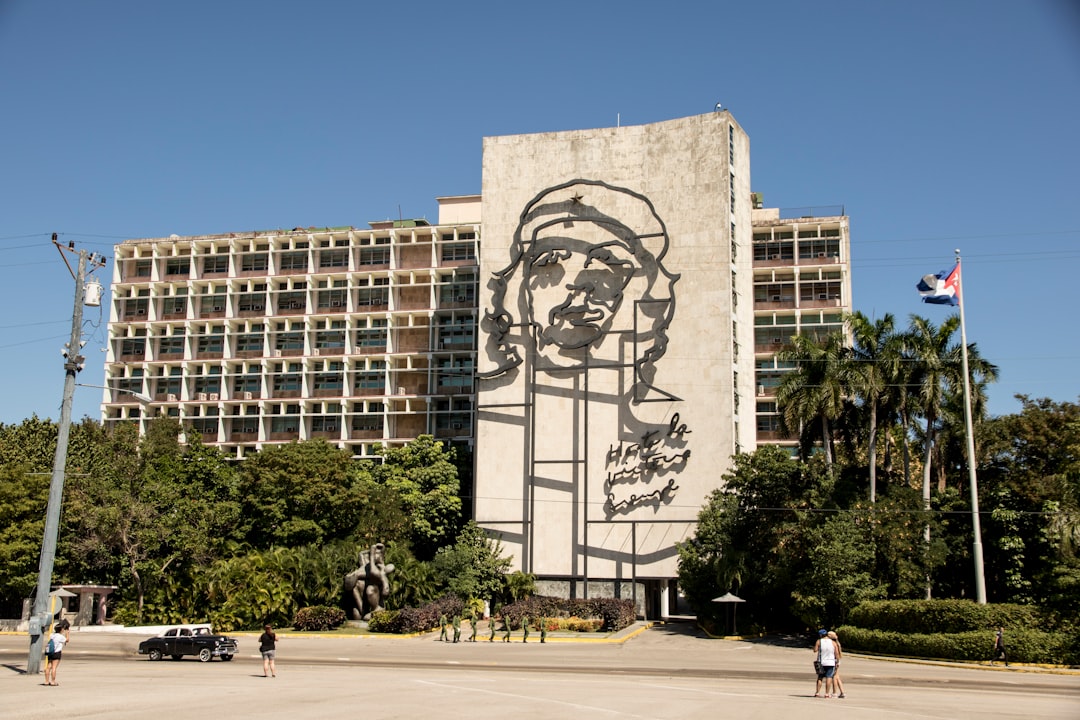

In the heart of Cuba, the figure of José Martí stands as a beacon of freedom and justice. Considered the "Apostle of Cuban Independence," Martí dedicated his life to the struggle for the liberation of his homeland from Spanish rule. Born in Havana on January 28, 1853, he established himself not only as a politician but also as a poet, philosopher, and essayist, profoundly influencing Latin American literature. His life and works continue to inspire generations of Cubans and beyond.
José Martí began his political activism at a young age, traveling to Spain, Latin America, and the United States to gather support for the Cuban cause. His vibrant writing and fervent desire for independence made him a central figure in the freedom movement, culminating in his death, which galvanized Cuban revolutionary forces.
History and Origins
Martí was born into a complex historical context, marked by Spanish colonial domination. His childhood and youth in Havana were influenced by a rich cultural environment that fueled his passion for literature and social engagement. At just 16, he was arrested for his opposition to the Spanish regime and, after his release, moved to Spain, where he continued to write and organize Cuban resistance.
His most significant work, "Nuestra América," is a call for the unity of Latin American peoples against imperialism. Martí always emphasized the importance of culture and Latin American identity, proposing a vision of independence that transcended mere political aspects, embracing cultural and intellectual dimensions as well. His life intertwines with the history of Cuba, making him an eternal symbol of the struggle for freedom.
Elements to Observe
When visiting Cuba, there are several places that commemorate José Martí's legacy. His birthplace in Havana is now a museum that celebrates his life and works, offering visitors a unique opportunity to immerse themselves in Cuban history. Additionally, the Martí monument in Plaza de la Revolución is an iconic landmark where historical events and national celebrations take place, paying tribute to his contribution to independence.
His impact on literature cannot be forgotten. His poems and essays are an integral part of the Cuban school curriculum and are studied with respect and admiration. His ability to capture the essence of the struggle for freedom through written words continues to inspire contemporary artists and writers.
Why It Is Interesting Today
Today, José Martí's figure is more relevant than ever. In a world where issues of social justice and human rights are at the center of global debate, Martí's ideas on freedom and equality resonate deeply. His vision of a just and inclusive society is a call for new generations fighting against injustices and oppression.
Moreover, his thought transcends Cuban borders, becoming a symbol for all Latin American nations aspiring to true independence. His works continue to be studied and celebrated, demonstrating that his ideas possess a vitality that transcends time and space.
Practical Information for Visitors
For those wishing to explore José Martí's legacy, Havana offers a variety of experiences. It is advisable to visit the Martí house museum, where one can discover details of his life and thought. Additionally, exploring Plaza de la Revolución during commemorative events can provide an immersive experience in Cuban culture and its recent history.
Remember to bring a copy of his works with you, as reading his writings on-site can further enrich your experience. If you wish to delve deeper, consider using the Secret World app to discover other significant places related to Martí and the history of Cuba.