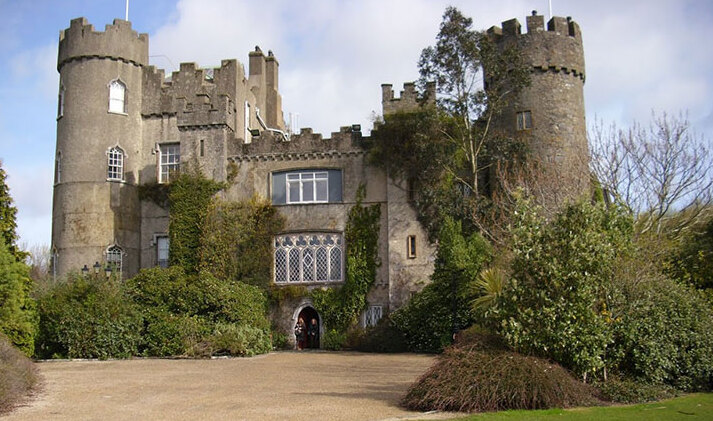

Nestled amidst the picturesque landscapes of County Dublin, Malahide Castle stands as a magnificent testament to Ireland’s rich and tumultuous history. Just a short 30-minute train ride from the bustling streets of Dublin, this medieval fortress invites visitors to journey through eight centuries of Irish heritage. With its storied past, captivating architecture, and vibrant local culture, Malahide Castle is much more than a mere relic of the past—it’s a living tapestry of Irish tradition and identity.
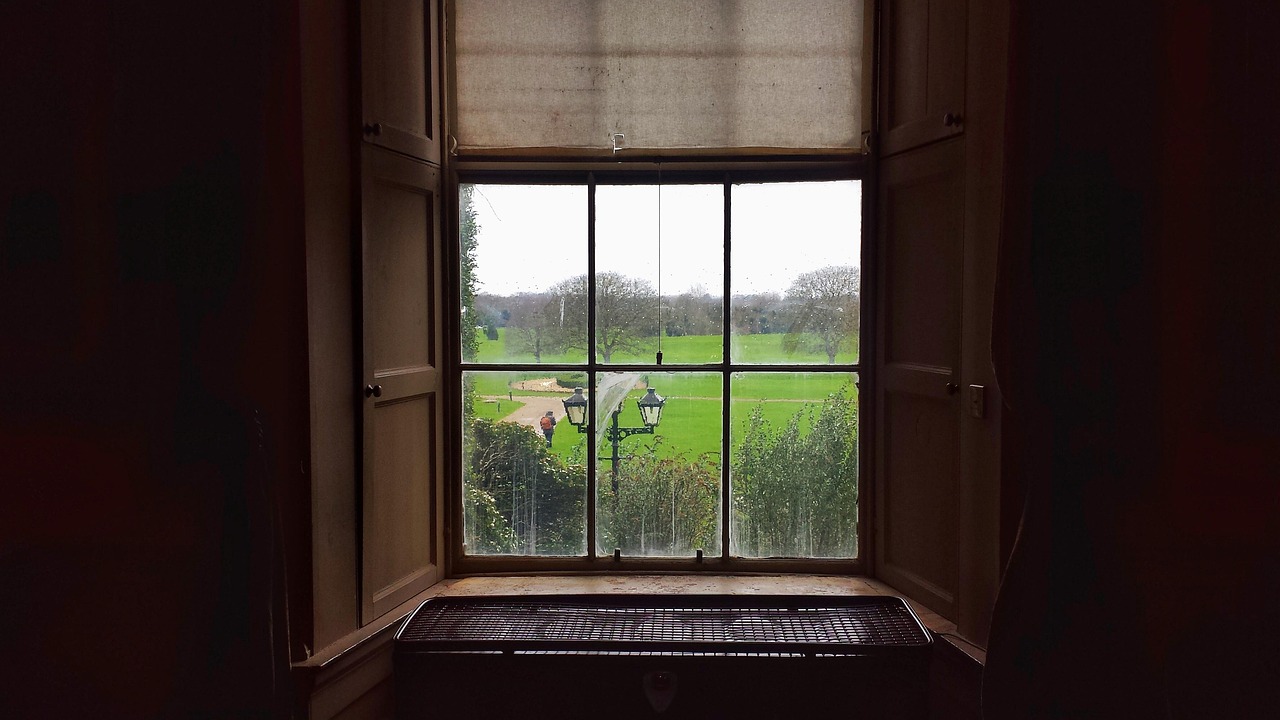
The history of Malahide Castle is woven with tales of resilience and continuity. Established in 1185, the castle was granted to Richard Talbot, a knight who accompanied King Henry II to Ireland. For nearly 800 years, the Talbot family called this castle home, navigating through the trials of English invasions, the Irish Rebellion, and numerous political upheavals. One of the most dramatic chapters in its history unfolded in 1690, during the Battle of the Boyne, when fourteen members of the Talbot family dined together in the Great Hall only to perish in battle the following day. Such stories of courage and loss are etched into the very stones of this venerable stronghold.
Architecturally, Malahide Castle reflects the evolution of styles across centuries. Initially a simple stone tower, it expanded over the years to become a sprawling estate. The castle's Gothic Revival touches and medieval battlements are complemented by the ornate Georgian interiors, showcasing a blend of styles that narrate the changing tastes and influences over the years. Inside, visitors can admire an impressive collection of portraits from the National Gallery of Ireland, including works by notable artists like Sir Joshua Reynolds. The castle’s interiors, with their intricate woodwork and lavish furnishings, provide a glimpse into the opulent lifestyle of its former inhabitants.
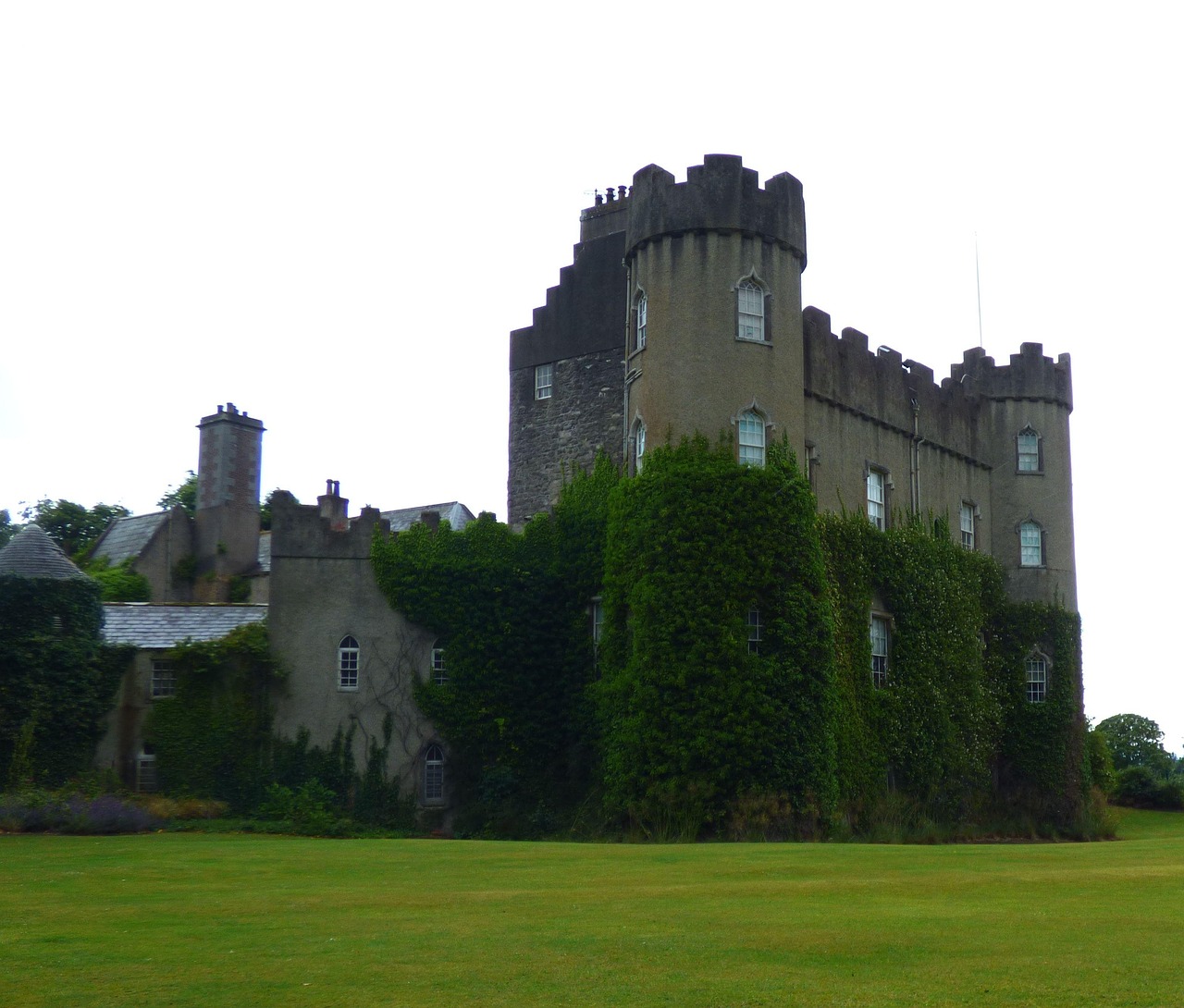
Beyond its architectural splendor, Malahide Castle is steeped in local culture and traditions. The adjoining Malahide Demesne features over 260 acres of parkland, offering a tranquil retreat for locals and tourists alike. This vibrant green space is often alive with cultural events and festivals, such as the Malahide Castle Concerts, which draw music lovers from across the country. The castle grounds also host the Malahide Festival, a celebration of community spirit featuring live performances, artisan markets, and family-friendly activities.
No visit to Malahide would be complete without indulging in the local gastronomy. This coastal village is renowned for its seafood, with the catch of the day often featuring prominently on local menus. Dublin Bay prawns, fresh oysters, and Atlantic salmon are culinary staples, best enjoyed at one of Malahide’s cozy seaside restaurants. Pair these with a pint of locally brewed Irish stout or a glass of crisp Irish cider for a true taste of the region.
Hidden within the castle’s storied halls are lesser-known curiosities that captivate the imagination. Among these is the tale of the White Lady, a ghostly figure said to haunt the castle’s corridors, her portrait ominously vanishing from the walls at times. Another intriguing feature is the Great Hall’s oak-panelled walls, which conceal a secret chamber used during times of siege. The castle’s rich tapestry of ghost stories and hidden secrets adds an air of mystery and intrigue that enthralls visitors.
For those planning a visit, the best time to explore Malahide Castle is during the late spring and early autumn months, when the gardens burst into vibrant bloom, and the weather is mild. It is advisable to wear comfortable walking shoes to fully enjoy the expansive grounds and the enchanting Butterfly House, home to a diverse array of tropical species. Guided tours of the castle offer invaluable insights into its history, while a stroll through the Walled Garden, with its collection of over 5,000 plant species, promises a serene escape.
In the heart of Ireland’s east coast, Malahide Castle stands as a majestic guardian of history, art, and culture. Its enduring legacy and captivating stories offer a unique window into Ireland’s past, making it a must-visit destination for those seeking to uncover the soul of the Emerald Isle.